


 Shkruar nga Pamfleti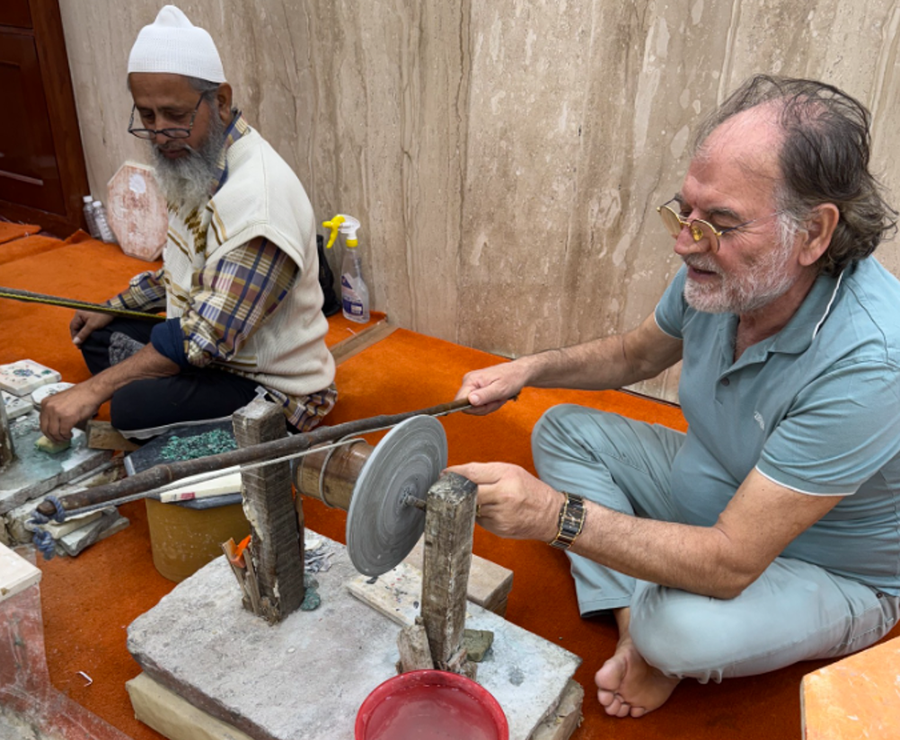
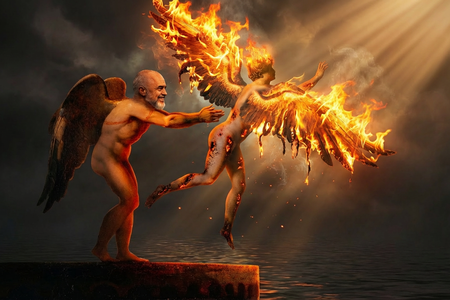
The old reconciliation of the two former allies is read as a signal of withdrawal, debts and political bargaining for a peaceful exit from the scene...
A day after the news of the reconciliation lunch between Edi Rama and Koço Kokëdhima, photographs of the latter in India, barefoot, seeking spiritual peace, circulated.
Known as a hedonist, if we refer to lawyer Ngjela's definition that Koço's enemies are soap and razors, this performance seems like an attempt to find a spiritual refuge, which is not unknown.
European atheists, mostly those coming from revolutionary leftist movements, found in Buddhism and Hinduism, that is, in the countries of the Indian subcontinent, the ground of their spiritual calling. This civilization offers a spiritual approach without the Spartan and moralistic prohibitions typical of monotheistic religions, especially Western Christianity, which the left has historically seen as an opponent since the French Revolution.
Koço Kokëdhima, a representative of the old sub-communist caste of the Communist Youth Committee, became one of the pioneers of post-communist capitalism. As with most of this generation, the outcome was disastrous. He and his fellow travelers bankrupted entire sectors of the Albanian economy, even as they profited from the best assets of public property.
When Koço entered the operation that turned him into an oligarch in the 2000s, he was the man who supported and was supported by Edi Rama. One of Rama's first decisions as Minister of Culture was to give the newspaper "Sporti Popullor" to Kokëdhima, a fierak from Qeparo, who had had no real connection to sports or fans.
After winning the 2013 elections, Edi Rama, through a deliberate political maneuver, transformed Koço into the so-called “Pasha of the South,” an MP with wide territorial influence. Rama gave him space to clash with Gramoz Ruçi, a clash that Koço not only lost, but also cost him his final exclusion from active politics.
Before Rama gave approval for Kokëdhima's departure, at a meeting in Qeparo, he spoke ironically about their future old age, which they would spend in the villages of the Coast.
The recent reconciliation between Koço and Ed seems like a union of interests for the third phase of their political and personal lives. Kokëdhima's photographs from India read as codes for the search for a peaceful retirement home for two former allies.
This message seems to be aimed at internationals as well. Rama is signaling that he is ready to leave politics, provided that the pressure on him is eased. Another explanation is hardly tenable, especially when you see Koço, drowning in debt, hoping that his old friend will solve his problems./ Pamphlet


Koço Koqo Koqe