


 Shkruar nga Pamfleti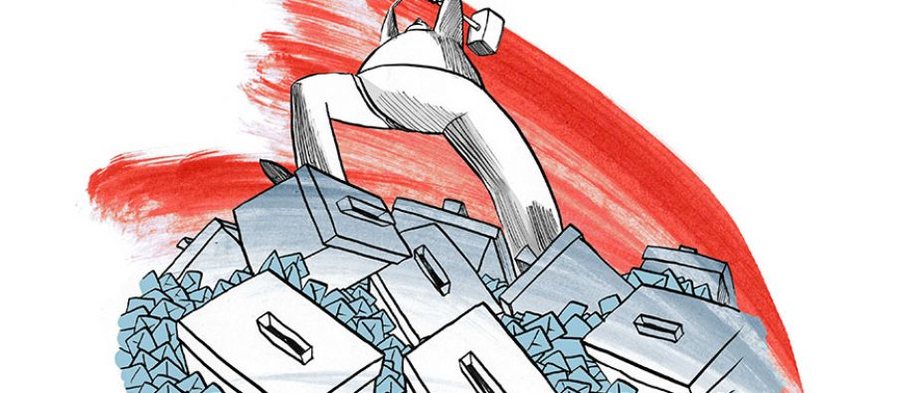
The systematic exclusion of new and critical voices from Albanian politics, through threats and violence, is a typical fascist practice that has been cynically repeated for decades...
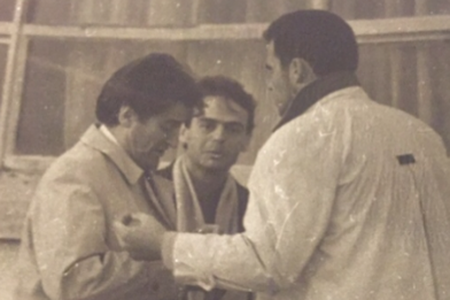
The history of Albanian politics, especially in recent years, is full of dark episodes that clearly reflect a fascist mentality in the approach to the younger generation and free thought. The case of Professor Ylli Vejsiu, a respected intellectual at the University of Tirana, is emblematic of this phenomenon. In the late 1990s, simply for publicly criticizing the then leader of the Democratic Party of Albania, Sali Berisha, the professor was brutally raped by Berisha's bodyguard, Izet Haxhia. In addition to physical violence, he also suffered psychological terror, finding the water tank destroyed in his modest home. This trauma forced Vejsiu to withdraw from politics forever, returning to the quiet life of academia.
A similar episode concerns Ben Blushi, a rare intellectual and political figure, who in 2009 was openly threatened with his life by Tom Doshi during a meeting of the Socialist Party, simply because he dared to criticize the leader Edi Rama. Although Blushi continued to resist, created a new party and continued to criticize the political elite, he was unable to effectively penetrate active politics.
In recent days, the scene has been repeated with the public threat that Tom Doshi made to Benet Beci, another young and civic figure. This threat seems like a warning that Beci should not dare to dream of higher political positions. Alessia Balliu, another young and promising figure, educated and courageous, was sidelined and threatened simply because she did not represent the interests of the local criminal clans that have captured Albanian politics.
This fascist method of policy-making, based on threats, violence, and the isolation of any critical voice, has been used systematically throughout the 34 years of Albanian transition. From Mussolini to Hitler, Franco, Salazar, to the military juntas of Latin America, the methods have been the same: the elimination of the political opponent by any means necessary.
Today in Albania, this method continues camouflaged and often more cynical, but with equally harmful effects. Tragically, even the new Albanian political generation, such as Adriatik Lapaj, is reflecting the same lack of empathy and political humanism. The non-inclusion of Edlira Çepan, an important co-founder of Lapaj's movement, in his lists after the heavy family loss she suffered, is an indication that the new leaders are often a pale and ugly copy of the old elite.
If Albanian politics does not openly and decisively oppose this fascist culture of exclusion, isolation and violence, Albania will remain trapped in the endless cycle of transition and moral and political misery./ Pamphlet






Lini një Përgjigje