


 Shkruar nga Gjergj Zefi
A planet on fire, where war, assassinations and poverty are becoming a frightening normality...
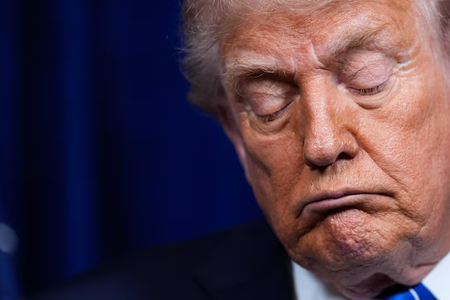
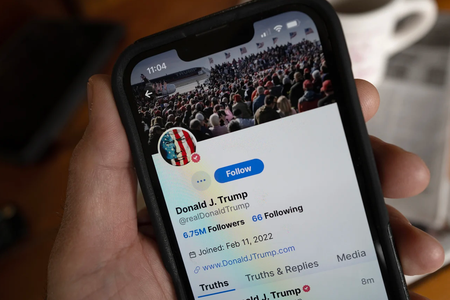
The world is sliding into a dangerous absurdity, where events that once shocked the global conscience are now consumed as ordinary news. The war in Ukraine continues to claim lives and destroy a supposedly stable order; the Middle East is burning amid escalations involving Iran and chronic tensions in Lebanon; while the global economy teeters on increasingly unstable ground. At the same time, assassinations are making a comeback as a political tool, culminating in the attack on Donald Trump in the heart of Washington, DC, a strong signal that even consolidated democracies are no longer invulnerable.
This is no longer simply a period of crisis. It is a deformation of global reality. Wars are not being resolved, they are being prolonged. Conflicts are not being avoided, they are being exported. Energy has become a weapon, prices a pressure mechanism, while ordinary citizens are the first and last victims of a system that seems to work only for the powerful. Inflation is no longer an economic term; it is a daily feeling of insecurity. Every price increase is a silent blow to families barely surviving, while decision-making centers continue to speak in technical language about “balance” and “stability.”
Against this backdrop, political assassinations are not isolated incidents, but symptoms of a system that is losing control of itself. When an American president becomes a target for bullets at a public event, the message is brutal: the boundaries of security have been breached and tension has become uncontrollable. This is no longer just an American problem. It is a global warning that politics is entering a dark phase, where harsh rhetoric and polarization produce real violence.
Meanwhile, the great powers play chess with the crisis. A conflict in the Middle East raises the price of oil in Europe; a war in Eastern Europe reshapes the global security architecture; an assassination in the US spreads panic in markets and diplomacy. And in the end, the chain breaks where it is always weakest: with the ordinary citizen, who pays the bill without having any influence on decisions.
Even for countries like Albania, which are not at the epicenter of these developments, the blow is inevitable. Prices rise, uncertainty increases, and prospects fade. In a world where the international order is faltering, the periphery is no longer a mere spectator; it is a collateral victim.
And the question that arises is simpler and more frightening than any strategic analysis: is this a temporary crisis, or the beginning of a new era where chaos will become the norm? Because when war becomes routine, assassinations become common news, and poverty is accepted as inevitable, then the problem is no longer with the events. The problem is with the system itself.
If there is one honest conclusion from this picture, it is this: we are no longer dealing with a world that is going through a difficult moment. We are dealing with a world that has lost its way. And that is much more dangerous./ Pamphlet


Patjeter qe ka, Ka ardhur ne krye nje President demencial!
Kujt Dreqin I intereson kjo gjendje kolapsi total, veçanerisht social -kultoror. Mbi keto zhdukja e eksperteve, shkencetareve ne Amerike....
Shume vite m pare kur degjoja se cdo popull ka udheheqjen qe meriton kisha rezistenca se
Shume vite me pare kur degjoja se cdo popull ka udheheqjen qe meriton kisha rezistenca se nuk me vinte mire, po kaluan vite e nga leximet kuptova qe njerezit e turma do dhe budallepset pas disa lidereve te semure se nuk kane fare kufij (te pakten jo te shendetshem. Dhe tashme psikolog e psikiater duhet ta kishin evidentuar gjerësisht si fenomen. Shkurt gjerat e këqija qe ndodhin eshte se keta te plagosurit nuk kane sheruar ose zbutur plaget emocionale, dhe populli qe duron e nuk fle ka plage te nje tjeter lloji per vete. Do pare edhe ne kete prizem, pse keto mani, nga burojne e ku cojne, i kemi pare skenaret ne filma dhe eksperimente