


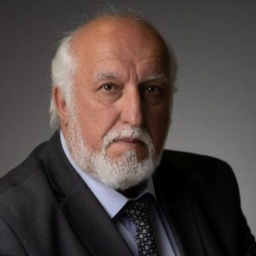
 Shkruar nga Emin Azemi
The students' cause should not be seen as another isolated battle. It should serve as a spark for the awakening of critical thinking and as a starting point for a new public discourse. It is time for each of our demands to be incorporated into a clear strategic platform that demands the decisive constitutional advancement of Albanians. Only by aligning ourselves as a state-forming people, with clear and untouchable constitutional guarantees, can we put an end to the era of plasticine laws...
Tomorrow, Albanian students will once again take to the streets of Skopje to defend a right that any Western democracy would find absurd to discuss: the right to take the bar exam in their native language. This demand does not stem from ignorance of Macedonian or from ignoring it. It is a legitimate call for institutional dignity and respect for national identity in a society that claims to be multinational and European.
For a foreign observer, the paradox is clear and painful. The state finances the entire university education of these students in Albanian, but at the final step – that of professional licensing that gives them the right to administer justice – it forces them to submit to another language. This halfway blockade is not simply an administrative obstacle; it is a dangerous tendency deliberately installed to defocus the attention of public opinion. At a time when the country is languishing under the burden of constitutional changes and stagnation in the European integration path, the return of topics that incite ethnic polarization serves as a "favorable march" to cover up failures in structural reforms and the fight against corruption.
However, this current crisis did not arise from nothing. It has precise political authors and addresses. Beyond the decisions of the current executive, this absurdity reveals a serious layer of irresponsibility: the negligence and silent compromise of Albanian ministers and officials who have paraded at the head of the Justice and Education departments for decades. How is it possible that for years, whenever laws, political agreements and reforms in the judiciary were negotiated, no Albanian minister saw fit to resolve this very basic impasse with a regulation or legal amendment? The Law on the Use of Languages has been in force since 2019, but Albanian ministers were content with declarative bravery and political consumption of the topic, leaving its implementation crippled in practice. They let this problem rot in drawers until it exploded in the hands of today's students. This speaks of a syndrome where the Albanian political elite uses language as an instrument to get votes, but fails to build institutional infrastructure to protect it.
This moment brings to light the great dilemma that weighs on our own society: Are we managing to build sustainable critical thinking, or are we remaining slaves to seasonal reactions?
Today, our reactions resemble partial extinguishing of fires. We protest when a specific right is affected, but we forget that these deformations in the field of national equality are only symptoms of a greater disease. Albanians still do not enjoy the status of a state-forming people at the constitutional level. As a result of this deficit, our laws – including the one on the use of the Albanian language – are often treated like "plasticine". They change shape, are compressed or reduced depending on the appetites and calculations of the powers that are installed in Skopje, becoming the fruit of temporary agreements and political bargains between parties.
If we are content with only partial solutions and legal "patches", Albanians will spend their lives protesting every season for the same basic rights. In consolidated multilingual states like Belgium, Switzerland or Finland, the right to take state exams in their native language is self-evident, because it is based on the unwavering principle of civic and national equality.
Therefore, the students' cause should not be seen as another isolated battle. It should serve as a spark for the awakening of critical thinking and as a starting point for a new public discourse. It is time for each of our demands to be incorporated into a clear strategic platform that demands the decisive constitutional advancement of Albanians. Only by aligning ourselves as a state-forming people, with clear and untouchable constitutional guarantees, can we put an end to the era of plasticine laws and build a state where justice is spoken, written and delivered without ethnic barriers.
Skopje, 17 May 2026



Shqiptarët, vetëm në Perandorinë Osmane janë pranuar si element shtet formues(Perandori Osmane). Kur dhe kush i ka pranuar shqiptarët si element shtetformues? Mbretëria serbe? Federata Jugosllave? Të hapen kartat. Shqiptarët e dinë vetë se si organizohen e se si qeverisen e se kë mbajnë për aleat gjeostrategjik. Shqiptar! Shtrëngoni radhët , duani njeri tjetrin, respektoni fqinjët dhe mbështetuni fort te kryealeati gjeostrategjik SHBA.