


 Shkruar nga Skënder Asani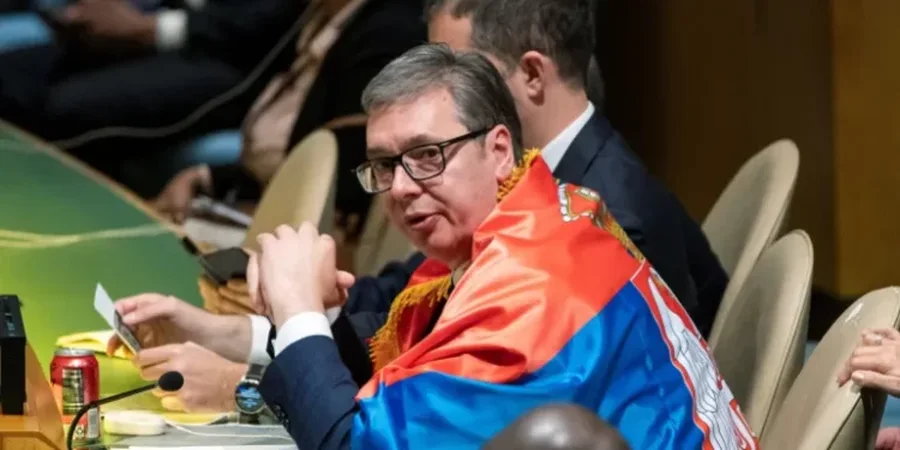
All the efforts of Serbia so far to present its struggles as liberating and national, now with this resolution receive the stamp of bloody, conquering and genocidal struggles
The General Assembly of the United Nations adopted on Thursday (23 May) the Resolution on the Genocide in Srebrenica. The diplomatic battles that preceded the adoption of this resolution were quite fierce, especially those led by the Russian Federation, Serbia and their satellites. Evidence of this diplomatic rigor is the result of the voting itself, where 84 states voted for the adoption of the resolution, 19 states voted against, and 68 states abstained from voting. All the Balkan countries, except Serbia, voted to approve the resolution.
The USA, the United Kingdom and the member countries of the European Union also voted for the adoption of the resolution, except for Hungary, which voted against, and Slovakia and Cyprus, which abstained from voting.
Apart from Serbia, its two major allied countries, China and Russia, as well as Belarus, North Korea, Cuba, Syria and some small states, where Russia has influence, voted against the adoption of the resolution.
Through this resolution, July 11 has been declared as the International Day of Reflection and Remembrance of the 1995 Srebrenica Genocide, when Serbian forces killed over 8,000 Muslim men and boys in Bosnia-Herzegovina. With this resolution, any denial of the Srebrenica genocide is condemned and states are called to preserve the truth. Also, this resolution calls for the punishment of those who glorify those convicted of war crimes in the case of Srebrenica, a practice that has been present in Serbia and Republika Srpska, where the perpetrators of monstrous crimes, Mladic, Karadzic, etc., have been declared heroes. , even some streets and squares bear their names (!).
With the adoption of this important resolution, several effects have been achieved, but three of them are the most essential.
First , all the efforts of Serbia so far to present its struggles as liberating and national, now with this resolution receive the stamp of bloody conquering and genocidal struggles;
Second , although the resolution nowhere mentions Serbia in the context of what had happened in BiH, the tragic-comic behavior of Vučić at the meeting of the UN General Assembly confirmed that his country is directly involved in the massacre of Srebrenica;
Third , from now on, the civilized world will see Serbia in a different light and will demand more accountability from it for the destructive actions it may do in the future in BiH, Kosovo, North Macedonia and Mount Black. Vučić's victim behavior, wrapping himself in the Serbian flag, is a wake-up call to the civilized world, which should deter him from any militaristic adventure he may undertake in Bosnia and Herzegovina (trying to break up Republika Srpska), but also in Kosovo and North Macedonia.
The national history of Serbia is built on colonial and conquering premises, which had its source in the transformation of the past into mythical mists and the presentation of defeats as victories. On these premises, the Serbian regimes also built their triumphalist narrative on the Battle of Kosovo (1389) and all other lost battles where they declared themselves victorious.
Now with the passage of the Resolution on Srebrenica at the UN, the civilized world will have the opportunity to return once again to the roots of Serbian nationalism, since the Načertanija of Garasanin (1844), which had continuously produced disasters for the neighboring peoples of the Balkans. especially in Bosnia and Herzegovina, Kosovo, Macedonia, Montenegro. This is also due to the fact that Serbia had turned every advantage of Russia in the military and diplomatic plan in its favor, as it had also happened with its triumph in the Russo-Turkish war (1877-1878), after which there had been a campaign brutal violence, resulting in the massive displacement of Albanians from Sanxhak i Nis. Consequently, Serbia had prepared the situation so that on the eve of the Congress of Berlin (1878) the situation on the ground would be presented in favor of its demographic structure, after an ethnic cleansing of the Albanian population, with which it was rewarded, recognizing it as "war trophy" all that space without Albanians (Sanxhak i Nis).
Official Belgrade, even through Vučić's position at the United Nations Assembly session, tries to reject the "genocide" qualification, wanting to remove the collective guilt from the Serbian people. But with this resolution, the Serbian people have the chance to go through a denazification process, placing red lines between Serbia's European future and its brutal genocidal policies.
The Serbian people, through this resolution, have an open way to make choices between the old political structures from the time of Milosevic, which includes Vučić and the new political elites, with Western points of view and orientations.
Rezoluta për Srebrenicën apostrofon nevojën që të drejtohet gishti nga bartësit e përgjegjësisë për gjenocid, me çka lidershipit serb i ngushtohet hapësira e manovrimit dhe manipulimit me ndjenjat nacionale të serbëve qoftë në Serbi, qoftë në Republika Srpska, dhe në anën tjetër popullit serb i mundësohet për herë të parë të fillojë procesin e pajtimit dhe mirëkuptimit me popujt e tjerë në Ballkan, proces ky që deri më tani ka qenë i pamundur. Kjo do të ndikonte që populli serb, ashtu siç ndodhi edhe me popullin gjerman, të lirohet nga hipotekat e së kaluarës, por vetëm me kusht nëse ndodhë një katarsis i brendshëm nacional i serbëve, që fillon me kërkim faljen, reparacionin dhe përfundon me denacifikimin e institucioneve.
Njerëzit në Srebrenicë këtë rezolutë duhet ta kuptojnë si një kandil që iu bën dritë të afërmve të tyre të vrarë nga soldateska serbe, por edhe si një shpresë që hijet e së kaluarës të mos errësojnë të ardhmen.
Pas kësaj rezolute, asnjë kriminel serb që ka kryer krime monstruoze, nuk duhet të ndjehet i qetë. Kjo vlen edhe për ata që vranë mbi 13 mijë shqiptarë të Kosovës, që dhunuan mbi 20 mijë gra e vajza dhe që vranë mbi 1400 fëmijë të Kosovës. Me fjalë të tjera, Rezoluta për Srebrenicën duhet të jetë uvertyrë e një ndërmarrjeje të madhe diplomatike e politike të Kosovës, që edhe ajo përmes faktografisë dhe ekspertizës juridike të bëjë Serbinë përgjegjëse për gjenocidin e kryer në Kosovë në 100 vitet e fundit. Një Rezolutë për Kosovën në OKB do të ishte përgjigja më e merituar ndaj politikave gjenocidale serbe dhe rikthimin e besimit dhe mirëkuptimit mes shqiptarëve dhe serbëve. Pa këtë rezolutë, të gjitha përpjekjet për një amortizim të raporteve të ngrira mes Kosovës dhe Serbisë do të përfundojnë pa sukses, kurse përfitues më të mëdhenj do të jenë faktorët destabilizues në Ballkan.
Pas Rezolutës për Srebrenicën, do të çirret maska e nacionalizmit serb i cili ishte i bazuar mbi manipulime dhe gënjeshtra, siç kishte ndodhur edhe me deformimin e së vërtetës për Luftën e Dytë Botërore nga ana e propagandës serbe. Produkt i kësaj propagande ishte paraqitja e shqiptarëve si bashkëpunëtorë të fashizmit dhe për pasojë arsyetimin e dhunës dhe masakrave mbi ta nga ana e çetnikëve serbë, të cilët brenda natës u transformuan në partizan.
Por, kulla prej kartoni e kësaj propagande u rrëzua në vitin 1999 me ndërhyrjen e NATO-s mbi caqet militariste serbe. Kjo ishte edhe një kthesë në politikën ndërkombëtare, sepse kjo ndërhyrje ishte një alarm në formë paralajmërimi që në Kosovë të mos ndodhë ajo çka kishte ndodhur në BeH.
Therefore, the Resolution on Srebrenica and NATO's intervention in 1999 should be seen within an internal sense of cohesion, for the reason that both of these moments are related to the same factor of instability in the Balkans: with Serbia and its spiritual inspirer - the Kremlin. These two moments pave the way for the destruction of the Serbian genocidal projects and the establishment of new parameters in the relations between the neighbors, where the common European future and the Western mentality would take the place of hatred, prejudices and conflicts. This, perhaps, will force Serbia, both as a state and as a society, to reflect, preparing the circumstances for a new European leadership, which would define relations with its neighbors according to Euro-Atlantic criteria, not according to prescriptions. warmongers of Moscow. / Pamphlet




Lini një Përgjigje