


 Shkruar nga Gjergj Zefi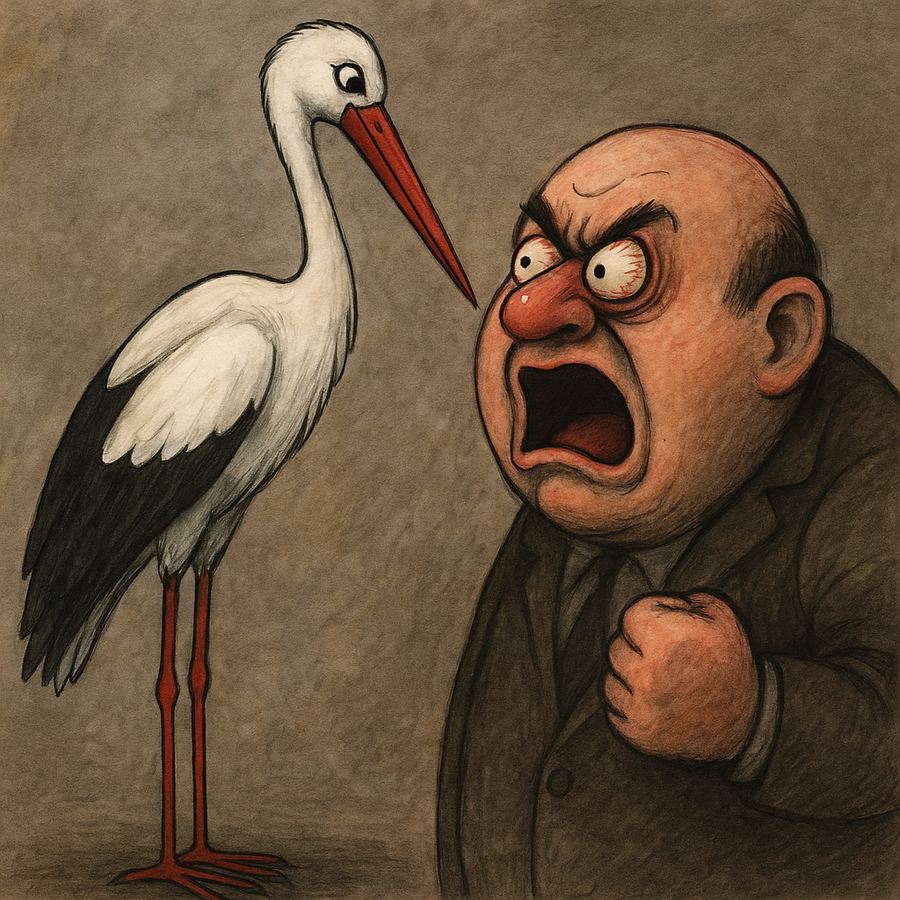
The Albanian language continues to face nationalist hysteria in Montenegro...
On a night that was supposed to be a celebration of cinema, art faced censorship. At the Džada Film Fest in Podgorica, the film “Roda” by renowned director Isa Çosja was interrupted in the Zabjelo area for reasons that have nothing to do with aesthetics or artistic content.
The film was called “inappropriate” by a group of citizens simply because it contained dialogue in Albanian and mentioned Kosovo as a state.
This is not an isolated case, but a symptom of a continuing tension in the Balkans: the Albanian language, in some quarters, is perceived as a threat, not an asset. Even though Albanians constitute a significant part of the population of Montenegro, and even though the law recognizes Albanian as an official language in some municipalities, its public presence still causes hysterical reactions.
Montenegrin author and intellectual Balša Brković, in a powerful column in Vijesti, described the event as “cultural fascism.” He wrote:
"When my language is used to express a reality that exists, those who want to ban it are not just objecting to a film, they are challenging my right to cultural existence."
This is the crux of the problem: a film that exposes the truth of multi-ethnic coexistence, of a Montenegro with many voices and many cultures, is seen as a threat. Why? Because for some circles, the existence of an “other,” whether Albanian, Bosnian or Roma, is unbearable on the public stage.
Instead of this incident serving as an opportunity for reflection for Montenegrin society, the institutions remained silent. There was no reaction from the Ministry of Culture, nor from the municipality of Podgorica. This silence is not only a fear of public reaction, it is also a way of not accepting the reality that a part of the country wants to erase.
In 2020, former Montenegrin President Milo Đukanović declared at an international forum:
"Montenegro is a model of coexistence and interreligious and interethnic harmony."
Events like this with "Roda" show that this model is still in its embryonic stage and could collapse at any moment by a minority that still lives with the narratives of the last century.
For Albanians in Montenegro, this is more than an insult. It is a harsh reminder that cultural integration is not achieved only with laws and official documents, but with public stances and institutional courage. The use of Albanian should not be a political act, it is a linguistic and cultural reality that cannot be stopped by shouting or censorship.
Cinema is one of the most sensitive arts to freedom of expression. When a film is persecuted for the language it uses, then the society in which it is shown needs a deep diagnosis.
In this context, Albania, as a state that protects the rights of its compatriots in the region, has the right and duty to follow these developments closely. Not to intervene, but to remember that the Albanian language is not just a cultural issue, it is an inalienable part of the sovereignty of every citizen who speaks it, wherever they are./ Pamphlet
*"Roda" is the film by Director Isa Qosja, which in Albanian translates as Stork



Lini një Përgjigje