


 Shkruar nga Gjergj Zefi
When hate kills and empathy becomes selective: The Charlie Kirk case and the lesson for us all...
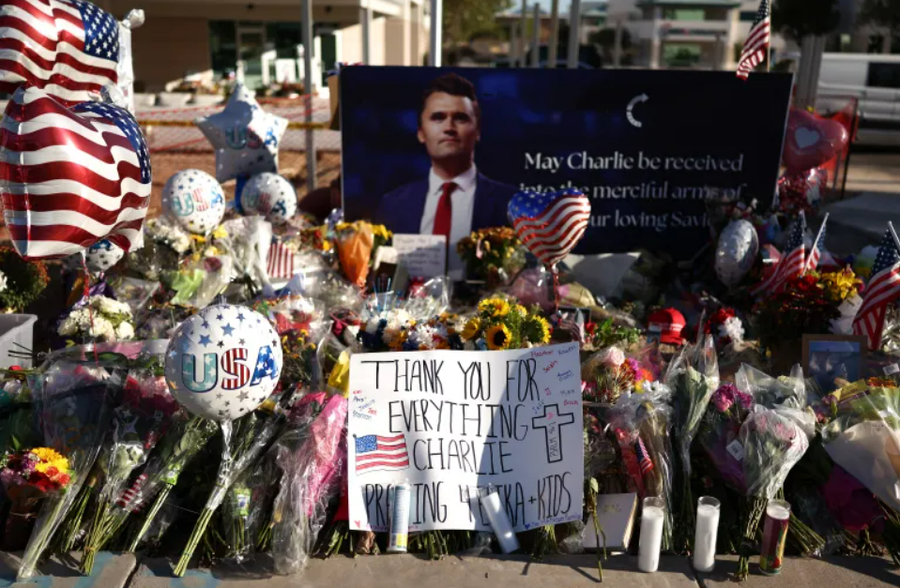
The murder of American conservative activist Charlie Kirk, one of the most vocal figures in the right-wing “MAGA” movement and founder of the organization “Turning Point USA,” is the latest event that proves that political rhetoric filled with hate, cynicism, and demonization is no longer just words. It is increasingly translating into blood, violence, and death.
The suspect in the murder, a 22-year-old man with pronounced hostility towards Kirk, was arrested after an intensive pursuit by authorities. The motives have not yet been officially confirmed, but the signals are clear: this is not just an isolated act, but a direct consequence of the increasingly toxic political climate in the United States.
Charlie Kirk was a controversial figure. He represented an aggressive right-wing whose rhetoric often targeted minorities, immigrants, and any dissenting opinion.
But disagreeing with a person and fighting their ideology does not mean denying their dignity as a human being. This is precisely where the danger of “selective empathy” lies, a concept that is becoming the norm: feeling pain only for those who are politically similar to us and remaining silent or justifying the suffering of “opponents.”
Even when Donald Trump survived an assassination attempt last year, many of his critics seemed disappointed that he didn’t die. Online taunts and hateful comments represent not just an ethical crisis, but a direct threat to the democratic order. For if we accept that “the other” deserves violence simply because they think differently, then we have forfeited the right to seek justice for ourselves.
The problem doesn't just lie with political extremes. Even those of us who oppose the toxic rhetoric of Trump or Kirk often fall into the same trap: we remain silent when violence strikes the other side, we secretly rejoice when the "enemy" suffers a fatal blow, and we even make fun of their misfortunes.
If we are not willing to defend our principles even when it comes to people we despise, then we are no longer idealists, but moral opportunists.
At the end of the day, this is not just an American issue. It is a universal lesson. In Albania and the Balkans too, political hatred is deepening, polarization is becoming the norm, and the rhetoric of exclusion is in vogue.
Let us learn from the tragedies of others what abysses this logic can lead us to. Because if we are unable to feel pain for the suffering of the "opponent", then we are no longer citizens of a democratic society, we are simply members of a crowd that can't wait to see blood./ Pamphlet




Lini një Përgjigje