


 Shkruar nga Gjergj Zefi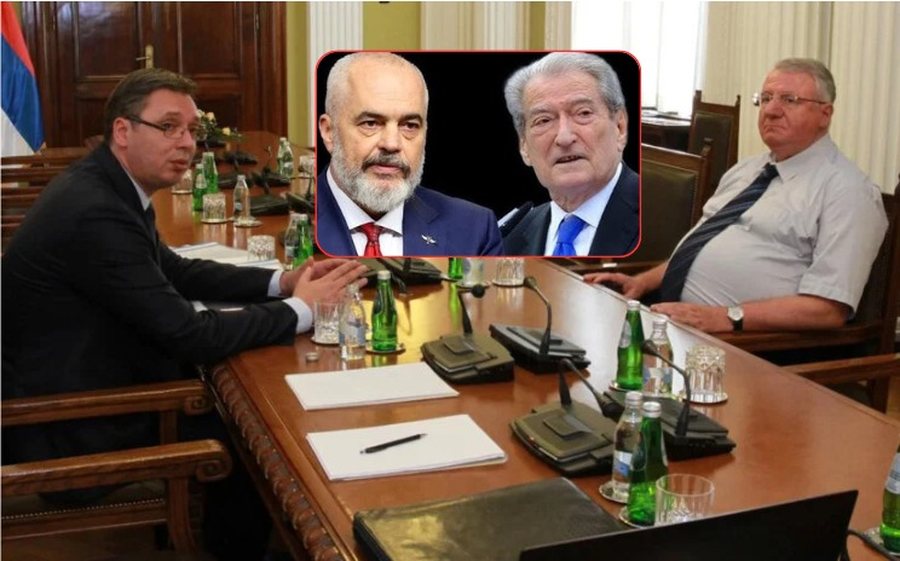
From Tirana to Belgrade, how do the two political binomials play the card of nationalism and polarity to secure personal power...
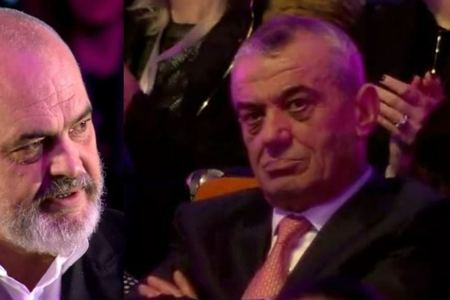
If anyone thinks that Serbs and Albanians are not at all alike, they are wrong. Rama and Vučić, these Balkan "statesmen", seem to have been educated in the same school: that of political hypocrisy with a theatrical style of nationalism and polarization.
In Belgrade, Vučić keeps Vojislav Šešelj in a political "cage", the "radical beast" that he brings out on stage whenever he needs to play the extreme patriotism card, to convince the people and the international community that his voice is the voice of reason.
In Tirana, Rama holds up his eternal "enemy", Berisha, as the "permanent threat to democracy", thus ensuring that no political alternative dares rise above the level of the "lesser evil".
Both are masters of a dirty game, where the people hold their breath while they "fight" imaginary enemies, who are in fact simply the best political partners they could have found.
The people vote, argue, and curse, without realizing that the play is a brilliant collaboration of the main actors.
One plays the role of the leader who "does not allow Serbia to slide into radicalism", the other poses as the only leader who can keep Albania "away from its dark past".
But at the end of the day, the theater continues, and the ticket is always expensive for the people. Both leaders emerge triumphant from the elections, while the "political beasts" continue to thrive under their patronage. Welcome to the Balkans, where democracy is a joke that leaders repeat every four years, and where the best "enemy" of power is always the most dangerous one, because it guarantees that no one else will come close./ Pamphlet



Lini një Përgjigje