


 Shkruar nga Pamfleti
The Gross Domestic Product in Albania increased by 3.23% in real terms, in the second quarter of this year, while the government's statements about a tourist boom with an increase of over 50% in the number of tourists or in the number of overnight stays do not seem to match economic growth. real neither of tourism nor of the economy as a whole. Economic growth of 3.23% in the second quarter of 2023 follows the 2.72% growth in the first quarter. Both figures are higher than the forecast for Albania's annual economic growth by the International Monetary Fund, but significantly lower than the development potential. According to the IMF, the economyThe Albanian economy is expected to grow this year by 2.25%, while Albania's growth potential is estimated at 4.5%. The Albanian economy has grown below potential for more than a decade now. Corruption, misgovernance and the lack of what in the language of the IMF are known as "structural reforms" are believed to be the cause of the lower growth than the development potential. Growth potential is calculated by taking into account many factors, including low economic level, natural resources, available labor force and others.

The branch "Arts, entertainment and leisure, household goods production activities for own use and other services", which includes tourist services, increased by 12% in the second quarter, after having increased by 32% in the first quarter . At the same time, according to INSTAT data, the number of foreign citizens who entered the Republic of Albania in the first six months of this year was 33% higher than the same period a year ago, while the number of nights of tourists spent by foreign citizens during this period increased by 51%.
Although the growth in the tourism sector is high, its effect on the overall economy of the country is negligible. According to INSTAT, the growth of the "Arts, entertainment and leisure" sector by 12% has contributed in the second quarter with only 0.26% of the total growth of 3.23%. In fact, the sectors that have been most affected are Construction and Real Estate Activities. According to INSTAT calculations, from the economic growth of 3.23%, these two sectors have brought 2.15%. In a word, 66% of the country's entire economic growth is caused by the concrete economy, while other sectors important to the real well-being of the population, such as agriculture and manufacturing, are actually declining.
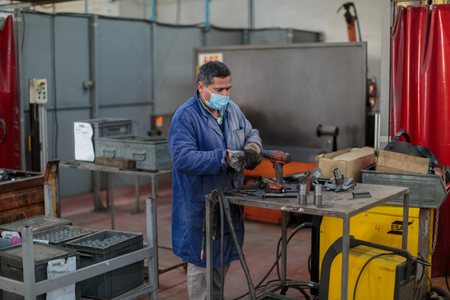
The agricultural sector suffered a slight decline compared to the previous year. The economy of this sector, which officially employs 40% of the workforce, fell by 0.04% compared to a year ago. The other affected sector is manufacturing, which employs tens of thousands of citizens and which in the second quarter saw a 6% decrease compared to a year ago. Manufacturing seems to have been particularly hit by the strengthening of the lek against the euro, which is widely believed to be the result of money of dubious origin invested in construction and real estate. / BIRN


Lini një Përgjigje