


 Shkruar nga Pamfleti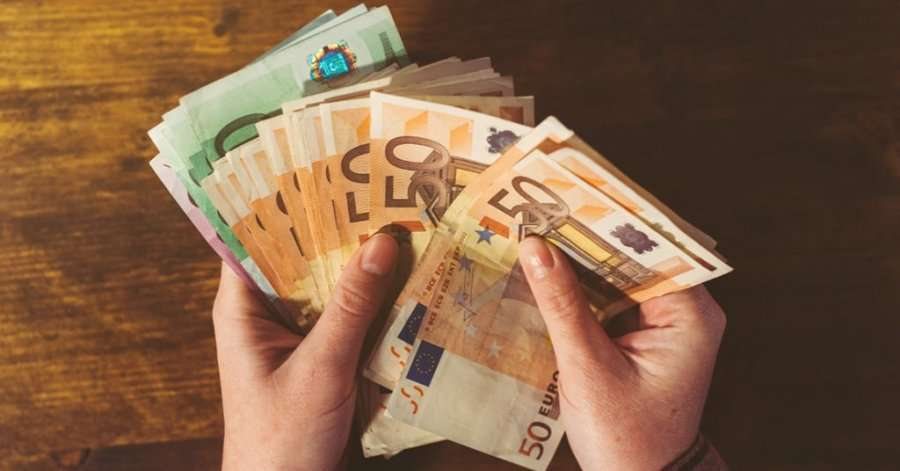
The exchange rate of the Euro against the Lek registered another strong increase on Friday and returned above the level of 106 Lek for the first time since June.
According to the official exchange rate of the Bank of Albania, the Euro was exchanged for ALL 106.01. The Euro exchange rate has increased by almost one Lek in one day, while since the end of last week the Euro has gained approximately 2.2 Lek.
The strengthening of the Euro is also pushing other major currencies up. The American dollar was exchanged on Friday at 97.53 ALL, touching the highest level since the beginning of July. The British pound reached the value of 124.01 lek, the highest level since the end of June.
According to foreign exchange agents, this week an increase in the demand for foreign currency was observed in the business segment. This increase in demand may also have been motivated by an increase in budget payments in lek to business accounts from the State Treasury.
On the other hand, after the middle of August the effect of the summer season on the exchange rate begins to fade and usually the Euro exchange rate in this period shows an upward correction. However, the increase of the last few days goes beyond the normal dynamics of the correction of the seasonal effect and can be mostly explained by an increased demand for foreign exchange, which seems to have come mainly from businesses.
Another factor that in theory could influence the appreciation of the Euro is the difference in interest rates. This year, the European Central Bank has continued the aggressive way of increasing the base rate and has reached the level of 4.5%, while the Bank of Albania has stopped for months at the level of 3%.
This is affecting lower interest rates for loans in Lek and encouraging lending in the local currency. In theory, this could be accompanied by an increase in the injection of Lek into the economy and its supply. Such a trend would create downward pressure on the local currency.
Since the beginning of the second quarter of the year, the exchange rate between the Euro is showing an unusual lack of stability in relation to its historical trends. The exchange rate has been characterized by a trend of overvaluation of the lek, which in July reached the historical minimum very close to the limit of 100 lek. However, the fall of the Euro has occasionally been accompanied by strong moves in the opposite direction, although these movements have generally been short-lived.
The common European currency is widely used in the Albanian economy and financial sector. The volatility of the Euro exchange rate is therefore causing increased uncertainty for economic entities.
The fall in the Euro exchange rate has caused negative consequences for the exporting sectors of the economy, but in the meantime it has helped to reduce the cost of imports and mitigate foreign inflationary pressures in the economy. The weak euro has helped borrowers in foreign currency, but, on the other hand, it has reduced the value of the public's savings in the European currency./Monitor





Lini një Përgjigje