


 Shkruar nga Pamfleti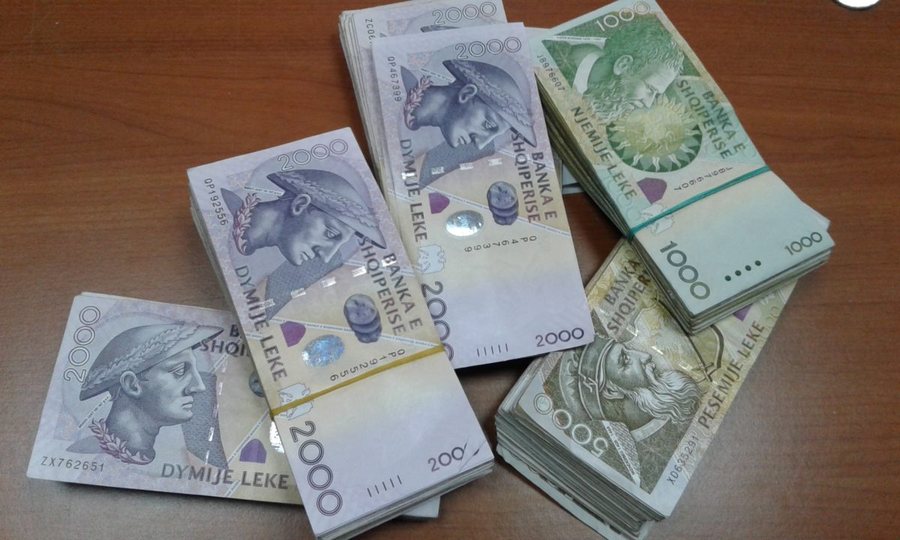
The strengthening of the Lek is always making Albanian imports cheaper, despite the fact that such a thing is not yet very tangible in the development of consumer prices.
The official exchange rate between the Euro and the Lek has fallen by almost 4% only in the first 10 days of June, while the fall compared to last year is more than 12%.
The Central Bank has emphasized several times that the strengthening of the Lek was one of the reasons why Albania had lower inflation levels compared to the rest of the region and Europe.
In fact, the strong lek has started to have an impact on the drop in imported inflation during the first quarter of 2023, at the level of 8.7%. Imported inflation for the first time in a year, marked a single digit value, influenced by the annual contraction of fuel prices and the slowdown in processed food inflation.
Imported inflation is estimated to have contributed about 25% or about 1.6 percentage points less than a quarter ago in the formation of total inflation. This development has determined the slowdown of inflation in the Albanian economy in the first months of this year. In April, inflation fell to 4.6%, the lowest level in more than a year, while May saw a slight increase to 4.7%.
However, the new wave of strengthening of the lek, especially in the May-June period, is expected to bring new effects on the progress of consumer prices. From the analysis of the connection of the relevant indicators with different time delays. The Bank of Albania has concluded that the Indicator of Foreign Inflationary Pressures in the economy precedes the developments in the imported inflation component by about three to five months. This indicator is calculated as the annual growth of the foreign price index and the Nominal Effective Exchange Rate index for the corresponding month. Since the prices in the international markets appear more stabilized, the strengthening of the Lek is expected to bring a significant decrease in the Indicator of Foreign Inflationary Pressures.
Taking into consideration the time delay calculated for tracking exchange rate movements in imported inflation, it is reasonable to believe that after autumn these effects may be more tangible for Albanian consumers.
However, imported inflation is only one component of inflation in the economy. The Bank of Albania has repeatedly emphasized that internal inflationary pressures remain high, especially related to the increase in labor costs.
The Bank of Albania states that internal inflationary pressures continue to be fueled by a stable demand and a strong labor market. Business surveys suggest strong demand for workers and upward pressure on wages going forward. According to the Bank of Albania, the sustainability of economic activity and the tight conditions in the labor market create premises for the sustainability of economic growth in the future, but also of internal inflationary pressures./Monitor




Lini një Përgjigje