


 Shkruar nga Pamfleti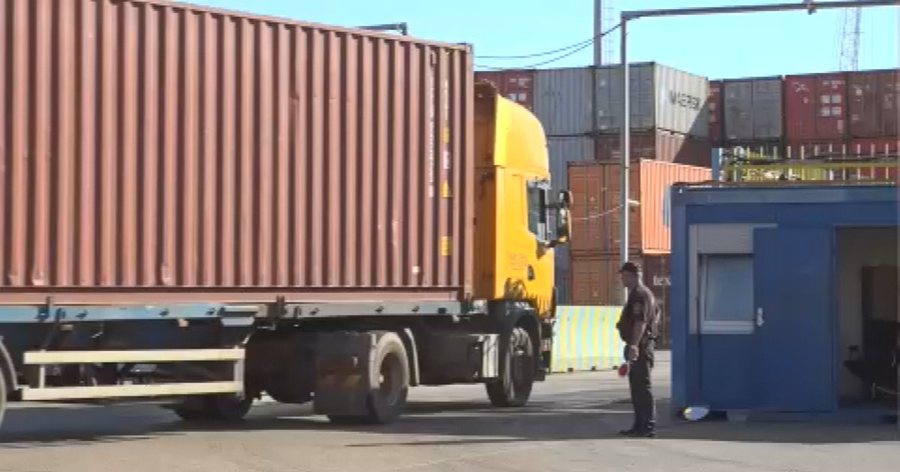
With workers outside the prime minister's office to protest, this is the next step the country's leading exporters are expected to take in the coming weeks.
The devaluation of the European currency and the Dollar, the lack of manpower, the lack of accredited laboratories for quality, but also grants and subsidies, according to exporters, are pushing their companies towards bankruptcy.
"We will warn you that a protest will be organized with our employees, collectors, farmers, and fashioners," says exporter Filip Gjoka.
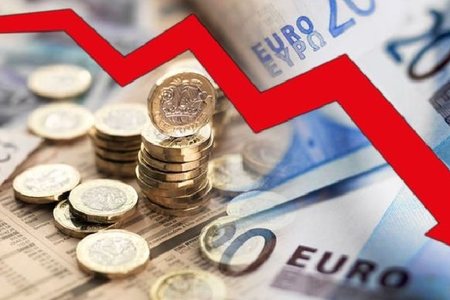
While in the space of one year, the European currency has depreciated by 13.5%, while the drop of the Dollar in relation to years reaches 15%, the exporters declare that they were not helped by the government even with fiscal easing policies for this part.
"Two problems that we thought we solved when we went to the press conference with the finance minister, neither one or the other was realized. Many countries that have been in this mess have intervened with forms and fiscal policies to keep these companies afloat."
Focusing on the "Oil seeds, industrial or medicinal plants, animal feed" group, exports fell by 22% compared to the 10-month period of the previous year. According to the president of the Association, Filip Gjoka, an important part of the goods has remained in stock.
"The big problem is the lack of stock, especially in Koplik, there are hundreds of tons of goods left unsold as a result of the devaluation of the euro and the dollar because we have no opportunity to capture the markets."
Faced with this situation, the exporting companies have started cutting staff.
At the annual conference, the Minister of Finance and Economy, Ervin Mete, stated that this institution is in dialogue with exporters with the focus of a transformation of the sector, because it is possible that the sector itself will change to a sector with closed-loop customer work and that produces more with added value. / A2 CNN







Lini një Përgjigje