


 Shkruar nga Pamfleti
Core inflation declined in November, temporarily halting the upward trend that had emerged during 2025.
According to statistics from the Bank of Albania, core inflation fell to 2.98%, after reaching its highest level in almost two years, 3.13%, in October. However, core inflation remains on an annual increase, compared to the level of 2.34% a year earlier.
Also, core inflation is significantly above the official inflation rate, measured for the entire basket of consumer goods.
According to INSTAT, inflation in November was 2.1%, the lowest level in the last eight months. However, it is estimated that the low inflation for the total consumer goods is being mainly affected by its most volatile components and especially by imported goods.
Low imported inflation is also partly influenced by the strong exchange rate positions of the Lek. The Lek has continued to strengthen against the Euro and other major foreign trade currencies in 2025, although at a slower pace compared to previous years.
Meanwhile, the sub-basket that measures core inflation is calculated on a group of products and services that constitute 69.6% of the total Consumer Price Index basket.
Core inflation excludes those products that have high volatility, such as food and energy products, and its main purpose is to strip the overall increase in prices of shorter-term movements.
For this reason, core inflation is an important indicator for understanding longer-term price trends and is therefore continuously monitored by the Bank of Albania.
In parallel with core inflation, net core inflation for November also decreased to 3.26%, from 3.5% in October, but also remains on the rise compared to the level of 2.22% a year earlier.
Net core inflation further excludes processed food subgroups (including bread and cereals) from inflation and is measured at 44.6% of the CPI.
Meanwhile, inflation excluding all food and energy products for November fell to 3.12%, from 3.36% in October.
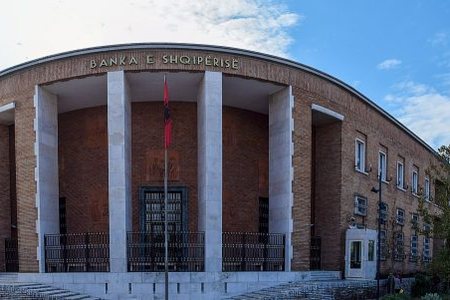
The Supervisory Council of the Bank of Albania, at its last meeting of 2025, noted that the overall balance of medium-term pressures is gradually approaching the Bank of Albania's inflation target.
Inflation is expected to return to the 3% target during the second quarter of 2026.
In the absence of supply shocks, the Bank of Albania estimates that this return will be supported by the stabilization of prices in international markets, the moderation of the Lek's appreciation, and the stability of domestic pressures, reflecting healthy economic growth and anchored inflation expectations./Monitor




Lini një Përgjigje