


 Shkruar nga Lutfi Dervishi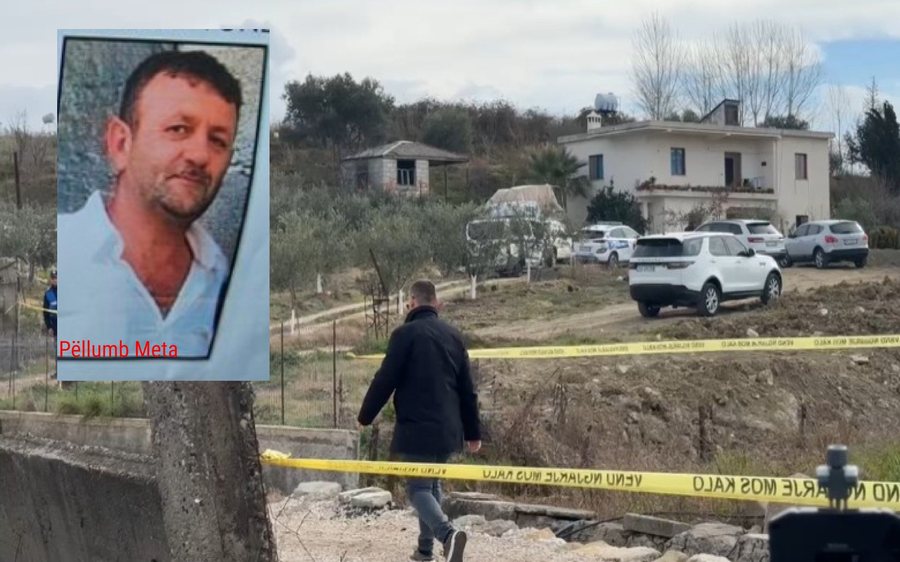
The macabre event in Saint Vlash of Durrës, where, according to reports, the crime in the family took the life of a 49-year-old man, the perpetrator was first the daughter, then one of the sons, and at dinner all three children.
-Yes tomorrow?
There is a difference between the work of an investigator, a policeman, a prosecutor, a lawyer, a judge and a journalist.
When trying to make a cocktail with these tasks, then the biggest victim in a tragic event becomes the truth.
Every high-profile crime is different, but the ethical principles of reporting apply to both ordinary crime and high-profile tragedies.
Like the famous detectives in crime novels who solve crime mysteries by asking the right questions, reporters can get closer to the truth by using the Socratic method of learning - questions.
- Are the facts confirmed?
Before the last word is said in the beginning, we must make sure that we are not spreading the last rumor.
Just like a good investigator double-checks an alibi, a good journalist checks, checks, and...checks.
- Is it going into sensationalism?
At a time when the most difficult diet to maintain is the diet of sensationalism, the greatest challenge remains the distance from the temptation to make a spectacle.
-Does the public need this information/detail?
Think for a moment that you're stupid. The fact that you have chili peppers in bulk does not mean that you throw them all on the dish.
- What does the reader gain?
It is said that Socrates refused to listen to a "news" without passing the triple filter: Is it true? Is it good news? Is it worth it to me?
- Have unnecessary details been avoided?
Today's reporting trend is to talk as much as possible, to say everything, why not even give a little "your opinion".
Perfection in reporting is not achieved when you have nothing more to say, but when you have nothing left to take away from the prepared text.
- Have I considered all parties?
Just like the judge who hears the accusation and the defense before giving the decision, the journalist in the balanced reporting sees and weighs all the points of view.
-Long-term impact?
The biggest miracle really lasts three days, but today's reporting remains on the Internet and social networks until the Day of Judgment. What impact does this report have on the future of the people involved?
-Am I respecting ethics and the law?
Journalist ethics have detailed general principles when reporting tragedies and disasters. Ethics is the anteroom of the law. We think that the law should and is good, but that it has nothing to do with us. The journalist may have the first word, but the court has the last word. An event of this magnitude always has the potential to go to 4 "courts". The cafe trial, the social media trial, the media trial, and the courtroom trial.
-How many sources am I using in my reporting?
Is my reporting "falling a flute in a hole"? Is it like a couple with two sources or is there something more? Careful! Not every stream can be considered spring water and can be consumed!
-Am I using clichés and stereotypes?
One of the biggest annoyances in crime reporting is stale sentences. "He left the scene. The police have declared him wanted. Investigations continue. A neighbor says they were good people. Gjitoni knew them as a few, but once he had seen them crookedly, etc."
-The context?
Am I just reporting the details of the horrific crime or am I also providing context to understand something more?
-Sprint or marathon?
Reporting of sensational crimes is not a sprint, so don't rush to say everything in the first minute or day, it's a marathon.
What if it was a relative of mine who was away, how would it be reported in this case?
Journalism has changed and is indeed changing, but the basic principles remain as do the letters themselves: Journalism.






Lini një Përgjigje