


 Shkruar nga Enver Robelli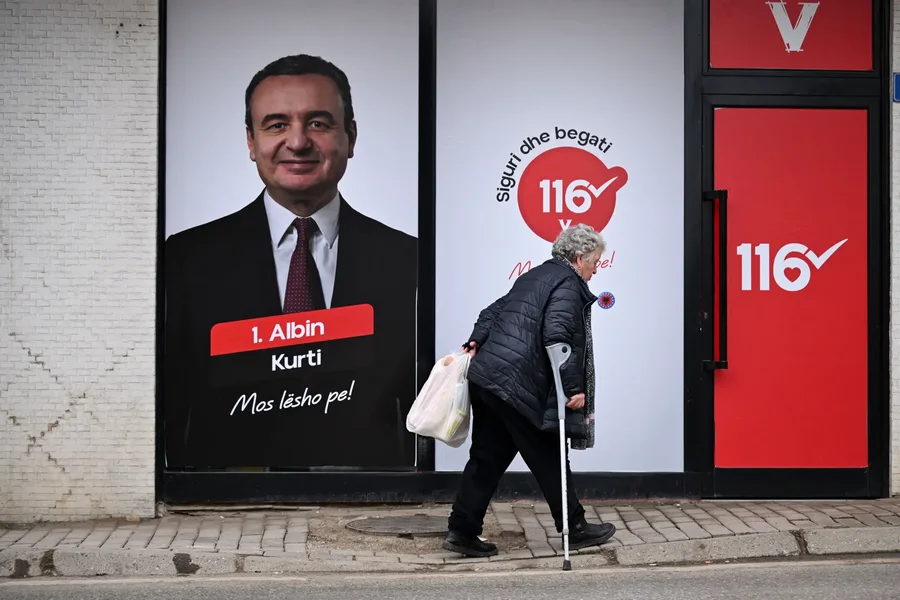
The election campaign has long since moved abroad.
Sometimes cartoonists are the sharpest observers of reality. Just before the parliamentary elections in Kosovo this Sunday, renowned cartoonist Jeton Mikullovci drew a plane, a ship, a tourist bus and a car with the license plate "Diaspora." A Santa Claus is at the wheel of each vehicle.
It is the end of December and the towns and villages of Kosovo are coming back to life. Now is the time for those returning home. People who have settled in Switzerland, Germany, Austria or elsewhere in Western Europe. In their homeland, they are often called ‘Santa’ for good reason, the diaspora not only supports their families, but also keeps the country’s economy going. Last year, 1.32 billion euros came from the diaspora into Kosovo, equivalent to 12.7 percent of the gross domestic product.
19,000 voters in Switzerland
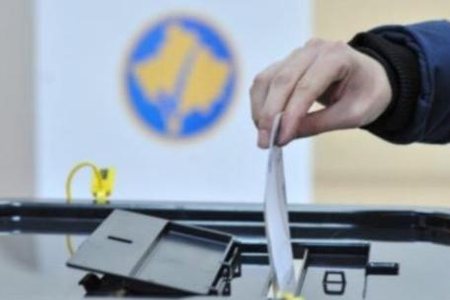
German media writes that the diaspora also has political influence, so much so that it could tip the scales in the elections. Nearly 80,000 Kosovars living abroad have registered for the parliamentary elections, including almost 19,000 in Switzerland. They will vote by mail or at diplomatic missions. Many others will cast their votes in Kosovo, as they are spending their holidays there.
Since mid-December, according to local media, almost 400,000 people have entered Kosovo. Nineteen planes from Switzerland alone were scheduled to land at Pristina airport on Friday. According to the World Bank, more than 700,000 people of Kosovo origin live outside the country. Kosovo itself has a population of just under 1.6 million.
Election campaign also in Zurich and Grenchen
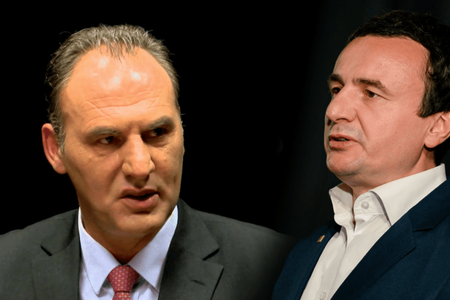
The election campaign has long since moved abroad. In mid-December, Prime Minister Albin Kurti of the left-wing Vetëvendosje movement campaigned for votes in Zurich, praising members of the diaspora as “silent heroes.” But the competition is also mobilizing. In Grenchen, supporters of the Democratic League of Kosovo gathered. Now the third-strongest political force, it led nonviolent resistance against Serbian oppression in the 1990s.
Not everyone is happy with the role of the diaspora in Kosovo politics. Some sensationalist journalists in Pristina even called for Kosovars living abroad to be stripped of their right to vote. However, this is unrealistic; according to the constitution, every citizen of the country aged 18 and over has the right to vote.
Critics accuse Vetëvendosje of exploiting the diaspora. Kurti's promise to govern with clean hands resonates with emigrants, who, because they live in functional states governed by the rule of law, are particularly vulnerable to corruption and nepotism in their homeland.
10-month lockdown
Kurti’s record since his landslide election victory in 2021 is appalling. While he managed to curb the systemic corruption of the established parties, which had been entrenched since the end of the war in 1999, he surrounded himself with inexperienced and in some cases incompetent ministers. Important reforms and infrastructure projects did not materialize. He did not use his absolute majority to strengthen the country’s internal cohesion. Instead, he treated the opposition with contempt and failed to build political bridges.
This Sunday’s parliamentary elections are the second this year. In early February, Vetëvendosje emerged as the strongest party, but failed to secure an absolute majority. This was followed by a ten-month deadlock, during which Kurti was unable to find a coalition partner. The prime minister refused to form a coalition with parties that emerged from the Kosovo Liberation Army (KLA), considering them the masterminds behind widespread corruption in the country.
The Democratic League of Kosovo, on the other hand, rejected cooperation with Kurti, accusing him of populism and hostility towards Western powers. This stemmed from Kurti's unilateral actions: he often made decisions without prior consultation with the US and the EU, leading to diplomatic tensions.
A crime lord remains unscathed
At its core, the issue is the government’s ambition to bring the predominantly Serb-populated north of Kosovo under state control. For years, this region was controlled by Belgrade’s Serbian List party and organized crime actors. The situation escalated in late 2022 when the central government in Pristina demanded that vehicles in the north now carry Kosovo license plates. On Belgrade’s orders, police officers from the Serb minority resigned and returned their uniforms; judges and mayors also left their posts in protest.
A year later, Milan Radojčić, deputy leader of the Serbian List, organized a terrorist attack in northern Kosovo in which a police officer was killed. Radojčić, a close confidant of autocratic Serbian President Aleksandar Vučić, fled to Serbia with dozens of armed men. The crime boss lives there to this day, untouched by the Serbian justice system.
Western diplomats call for dialogue
In October, Serbs ended their boycott and took part in local elections. Candidates from the Serbian List won in nine municipalities, including four in the north of the country. The transfer of power was peaceful, praised by Brussels and Washington. In response, the EU lifted some sanctions against Kosovo, such as a freeze on aid.
Despite this easing of tensions, Western diplomats remain unsatisfied with Kurti’s unwavering stance in the north. Voices from civil society in Pristina are also calling for him to intensify his dialogue with the Serb minority. However, such an undertaking is often impossible, with any Serb who cooperates with Kosovo institutions branded as a traitor by Belgrade and subject to pressure.


Lini një Përgjigje