


 Shkruar nga Edi Rama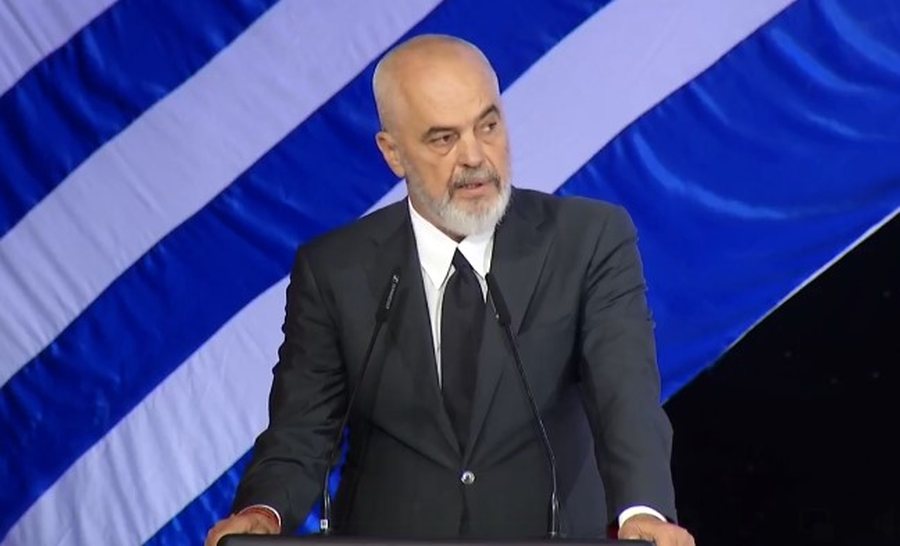
Dear Ismail, I cannot tell you how much I would like to tell you what my eyes saw and what my mind said while dealing with your funeral, but at least I have to thank you with this unwritten novella, which It is undoubtedly the sign that you wrote that you would do before you left, and the answer that I couldn't get in my life, when you said that I don't write anymore and if I asked you why not, tell me back, "I told you all ...
This shadow of Mother Teresa on Ismail's body was not brought by whoever prepared this state ceremony.
It was here. It had come before. The announcement that the hall was occupied and Mother Teresa could not be moved from there came to me along with the picture of this scene, which was being set up for a performance tonight at dinner. Leave it there, I told them, there is nothing better.
No one would think what chance brought him here, even for Ismail, and better than under her shadow, the Albanian who belongs to the world, the next step could not be the ceremony of following the life of the Albanian who belongs to the world . And having recognized him, the day in the instant that under the shadow of his beloved saint, Ismaili would feel protected by all those many who did not love him, but also by those who did love him he would not want them around, during his passage from this world to the next.
In the meantime, since the news of Ismail Kadare's death got out, in the frequent message box of my usual days, opinions came to me from time to time, driven by a strange anxiety about his burial place. I was reading them and I remembered Ismaili.
I was trying to imagine how he would take those unsolicited proposals to bury him at the Frashëri Brothers, at the park in front of Rogner, at the green field behind the Prime Minister's Office, at the Cemetery of Martyrs of the National - Liberation War, up to Martyrs' Cemetery in Kosovo. I don't know what he meant. I know as well as the archmort where his body lies, that if I could have shown him my vigil of this ceremony yesterday at dinner, there in Durrës at the house by the sea, where he closed himself to watch his sunset like a spectator brought down from a long life at the zenith, he would have a lot of fun - and as Gabriel Garcia Marquez said, he would be devastated that he would not be able to attend his own funeral. When Helena also told me that she wanted nothing but my word at this funeral, remaining faithful as always to her Isis, who had a severe allergy to gatherings, honors, and especially speeches, I believe she chose the worst. small.
An inevitable speech of the occasion, yes at least from someone who does not speak simply because the task requires him, but also as someone with whom Ismail was connected by the pleasure of infrequent conversations.
Thus, this very special honor, apart from a heavy burden of responsibility, right next to the archmort of the man who raised the Albanian language to the most unreached peak by any of its speakers, while Albanian literature in the pantheon of the entire world of letters, was given to me even a dull embarrassment, as rare as appearing in an exam in front of Ismail's mocking face with gatherings, honors and speeches.
In fact, as soon as I found out that he died and I thought about the inevitability of the preparation of the ceremony, together with the impossibility of avoiding myself being involved in the gathering, tribute and speech, it became like a postage stamp that I cannot separate his sight from my eyes announced during the ceremony of the highest degree of the Order of the Legion of Honor, by the President of France himself, in the Palace of the Brigades.
And since the special state commission of the funeral ceremony began to come to life and, in parallel, the clashes of opinions on stage and behind the scenes about him and his burial place, I felt like a character of Ismail Kadare's last literary trap, a maddened vortex of dreams in the tunnel. , with myself as the decrepit palace clerk of those dreams.
A grave was required. Who could have his say, as in a self-proclaimed contest of literary fever, where he or she who would find the ideal place for the pit of the dead body of the author of "The General of the Dead Army" and "The Party Committee" would secure even the place closest to him in the other world.
Along with Ismail's sad face in his eyes, his warning verse about death, "I will make a sign and I will run away" sticks in my ears, and it seems to me that this whole unwritten novella is in search of the burial place, where there is no way his older brother Naim is also missing, whose grave was changed five times, and in these hectic hours between reality, history and literature, they wanted to divide him into two to put Ismail next to him, as they used to those released from prison who were put in the houses of the dead for the living of the old regime, and many others buried, exhumed and reburied in this country cannot be missing from this novel.
"This is when we don't have, like the whole world, a pantheon for the dead heads of the nation," said some. Someone else called for a "mausoleum", assuring us all that unlike the mausoleum of that other Gyrokastrite, which ended up in a pitiable ruin from the hatred of his former worshipers, this one of the former "Chronicle in Stone" boy, will to withstand all time as a Buddhist temple, where from the generations subjugated in worship to the author of the "Breznia e Hankonatëve", thousands of small Ismailis would rise from the great loss of the only one we had in 500 or so years .
Ndërsa unë, pjesë e pavullnetshme e këtij zgjatimi grotesk në jetën reale të botës kadarejane, në rolin e nëpunësit të autorizuar nga qeveria për mbarëvajtjen e organizimit të funeralit, mendova që po të bënim një kullë mbrapa Skënderbeut, me shumë apartamente për të tërë të vdekurit me emër të madh apo të zmadhuar të këtij vendi, do ta mbyllnim mbase përgjithnjë problemin historik të gjetjes së vendvarrimit të duhur në kësi rastesh. Mirëpo pastaj u ndala i tmerruar sepse jo vetëm pash mundësinë reale të prurjes së papërballueshme të lumit të kërkesave për apartament nga aq shumë “ndere kombi” të bëra në këto vite për një mori të vdekurish, po edhe më shumë akoma nga ideja e krijimit të një radhe të gjatë të gjallësh, të cilët sipas çdo gjase mund të paraqisnin bashkë me CV-në përkatëse, kërkesën për të vdekur që të siguronin një apartament në atë kullë.
I dashur Ismail, nuk ta tregoj dot sa do të doja të ta tregoja ç’më panë sytë e ç’më tha mendja duke u marrë me funeralin tënd, por së paku më duhet të të falenderoj që me këtë novelë të pashkruar, e cila është padiskutim ajo shenja që shkruajte se do të bëje para se të ikje, më dhe edhe përgjigjen që s’ta mora dot në gjallë, kur thoshe nuk shkruaj më dhe nëse të pyesja po pse jo, ma ktheje, “i kam thënë të tëra”. Nuk bindesha dot, e më dukej mëkat që pena e tij ishte shtrirë e pajetë diku në shtëpinë buzë detit. Por sot jam plotësisht i bindur se Ismail Kadareja i tha vërtetë të tëra ç’kishte për të thënë dhe s’kam asnjë dyshim që ky vend nuk do ta zhgënjejë kurrë në atë bindjen kokëfortë të tij, sepse kurrë ky vend nuk do të rreshtë së përsërituri me vete, mbase në mënyra të reja, por pa thënë asgjë të re, gjithçka Ismail Kadareja tha për të e për kë në të jetoi apo do të jetojë.
Prandaj edhe ndër të tërët them unë, jo më në rolin e pakërkuar të personazhit të novelës së sapo jetuar, po thjesht në funksionin e zëdhënësit këtu edhe të qeverisë shqiptare e jo thjesht të dikujt që mendon kështu, Ismail Kadareja e meriton të prehet në një banesë të fundit që të jetë vetëm e tija.
Jo bashkë me dëshmorët, sepse ai as ishte dëshmor dhe as nuk kishte gjëkundi, në asnjë qelizë të tijën dëshirën apo gatishmërinë për të rënë dëshmor.
Jo bashkë me vëllezërit Frashëri, të cilët ishin ndër fare të paktët që ai i donte dhe respektonte sinqerisht, sepse as nuk ia kanë borxh t’i bëjnë vend në varret e tyre, e as nuk na e kishte Ismaili borxh që t’ia ndalojmë vetminë e tij aq shumë të dashur, vetëm e vetëm sepse nuk na ndalon dot, duke na parë me atë shpotinë e vet për të na thënë atë “jonukduan” e tij proverbiale.
Not to the park in front of Rogner, nor to the green field behind the Prime Minister's Office, because not only does a civilized country not keep the living and the dead together, in the same open urban environments, without at least separating them with high walls or enough distance not to see each other every day, but also because when you think that Ismail fled as much as he could from places where people circulated and gathered, this would be like imposing on him eternally, together with death, a fatal sentence of equal to life in hell.
Ismail Kadareja lived as a witness to a word for which he received all the possible praises and honors of the world and all the possible scorn and insults of the country that gave birth to him. He did not receive the Nobel Prize, but remained in the archives of the minutes of the Nobel Committee, the only candidate for whom there is a file of anonymous letters from his compatriots.
We have only one obligation. Let us respect his departure, by giving him a final home at the right time and place, where he will not feel threatened either by unsolicited love, which he was afraid of, nor by the never-desired neighborliness, which he was afraid of, nor no, not from the gatherings, honors and speeches, especially, that the llahtari had.
As for today, it is a legitimate request of his inseparable shadow, Helena, that the temporary placement of his body in Tufina be done only with the presence of family members.
There is no doubt that this would also be Ismail's will if asked, therefore, on her behalf, I ask everyone to respect this will and close the tributes at the moment the small family cortege leaves the square here, to the city cemetery.
Stopping my speech here, which will have to close in fact with the transition of the body of our national writer to his last residence, where it will be carried out in the presence of his friends from France and elsewhere, the concluding part of the state ceremony honoring Ismail Kadare, I need to publicly thank Ismail for a very special gift, which he has given me and all generations of indomitable lovers of the Albanian language, with the fascinating translation of Re in Pants by Vladimir Mayakovsky.
He knows, he knew, I have told him more than once, and I also know today, that it would be very good for him if he had the opportunity to participate here with his eyes and ears in his funeral, he listened to these lines: "Your thought, which dreams in the soft brain, like the fat footman on the couch with sardines, I will mock with the bloody zeal of the heart;
until I am satisfied, cruel and brutal."
Rest in peace Ismail, you said it all!
*The speech of Prime Minister Edi Rama during the tributes and the state ceremony in honor of Ismail Kadare



Lini një Përgjigje