


 Shkruar nga Keith Self
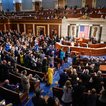
House Foreign Affairs Subcommittee Chairman Keith Self delivered opening remarks at a subcommittee hearing titled "Hotspot: A Path to Stability in the Western Balkans." Below is his full speech, which sounded the alarm on organized crime and corruption while calling for a review of Albania's justice reform.
The purpose of this hearing is to promote balance in the Balkans. I hope that perhaps members on both sides of the aisle can agree on a common goal of serving U.S. interests as we seek to promote balance in this region, prosperity for its citizens, and the prevention of future conflict. Russian aggression against Ukraine aside, the Western Balkans remain the most volatile region in Europe. Although open conflict has subsided since the breakup of Yugoslavia in the 1990s, centuries of ethnic divisions, border changes, and political mistrust continue to haunt this neighborhood, as various political crises threaten the post-Yugoslav order.
For example, Serbia’s unresolved relationship with Kosovo is a key driver of regional instability that has created a strategic fault line that gives Russia the ability to undermine the EU and NATO’s ability to empower Balkan countries. The 2023 OHRI Agreement between Serbia and Kosovo, which was intended to reduce immediate tensions and revive past agreements, has stalled. The electoral crisis in Kosovo has exacerbated this situation as a result of the republic’s failure to form a government after the February 25 elections, prompting Kosovo’s current preparations for another snap election on December 28.
After the elections, if Kosovo forms a government, I sincerely hope that Serbia will finally recognize Kosovo's sovereignty. The rapidly deteriorating situation in Bosnia has led to an exponential increase in the use of legally dubious bond powers by the High Representative.
This unchecked authority, which enables the high representative to approve or impose legislation and dismiss officials from office, was dormant from 2014 to 2021, but in recent years its use has increased significantly.
Shtetet e Bashkuara kanë mbështetur prej kohësh përpjekjet për të ndërtuar një gjyqësor të pavarur dhe të jashtëzakonshëm në Shqipëri. Megjithatë, pas dhjetë vitesh zbatimi, është e përshtatshme të rishqyrtohet nëse reforma në drejtësi po funksionon siç është menduar dhe po ofron drejtësi të paanshme për popullin shqiptar. Duhet të jetë shqetësuese për të gjithë që numri i çështjeve të pazgjidhura në nivel kombëtar është zgjeruar nga afërsisht 16,000 çështje në fillim të reformës në rreth 200,000 sot, duke i lënë qytetarët të presin 8 deri në 15 vjet për të marrë një vendim përfundimtar. Vonesa të tilla dëmtojnë sundimin e ligjit, besimin e publikut dhe procesin e rregullt ligjor.
Jeta e përditshme në Ballkanin Perëndimor karakterizohet nga një popullsi në rënie dhe në plakje. Ashtu si shumë pjesë të tjera të Evropës, ka një eksod të atyre që janë të kualifikuar dhe të arsimuar. Imigracioni i paligjshëm është i përhapur, papunësia dhe shkalla e varfërisë po rriten në mënyrë dramatike. Këta faktorë po ndikojnë negativisht në sundimin e ligjit, duke nxitur krimin e organizuar, pastrimin e parave dhe korrupsionin.
Ndoshta sfida më e vazhdueshme dhe urgjente vazhdon të jetë përçarjet etno-fetare të rajonit në Bosnjë. Disa vëzhgues besojnë se sistemi politik i marrëveshjes së paqes së Dejtonit po përkeqëson përçarjet etnike, në krahasim me rolin e tyre të synuar për të mbushur hendekun. Nga ana tjetër, Kosova fqinje ka vendosur mbrojtje specifike për pakicat që tejkalojnë ato të homologëve të saj të BE-së. Kosova i frikësohet ndikimit serb në shoqatën e komunave me shumicë serbe, të ashtuquajturën ASM, dhe nuk i ka zbatuar plotësisht politikat e ASM. Vetëm përtej kufirit në Serbinë jugore, raportet e përhapura të pasivizimit të luginës së Preshevës janë të dokumentuara mirë nga burime të shumta, duke pretenduar se po bëhet një përpjekje e përbashkët për të hequr qafe luginën e shqiptarëve etnikë. Në të vërtetë, kundërshtarët e Amerikës po shfrytëzojnë në mënyrë aktive dobësitë si pasivizimi, ndërsa angazhohen në luftë hibride, domethënë, duke shtuar paqëndrueshmërinë e rajonit. Partia Komuniste Kineze ka ushtruar ndikimin e saj duke kryer stërvitje ushtarake dhe duke dërguar armë në Serbi.
Përveç kësaj, PKK vazhdon të arrijë marrëveshje ekonomike në të gjithë rajonin si pjesë e një përpjekjeje specifike për të kultivuar aparatin e saj keqdashës dhe për të shfrytëzuar korrupsionin në Ballkanin Perëndimor. Aktorët kibernetikë shtetërorë iranianë të njohur si drejtësia e atdheut kanë nisur vazhdimisht sulme kibernetike ndaj Shqipërisë për strehimin e disidentëve të regjimit. Në fakt, një sulm verën e kaluar paralizoi përkohësisht shërbimet komunale të kryeqytetit të Shqipërisë, Tiranës. Dua gjithashtu të bëj një moment të shkurtër për të uruar popullin e Shqipërisë për Ditën e Pavarësisë së tyre të fundit dhe për të riafirmuar partneritetin tonë të fortë, të ankoruar në vlerat e përbashkëta dhe aleancën tonë në NATO.
Russia is also playing into the growing tensions between Bosnia’s Republika Srpska and Serbia. Milorad Dodik, who is barred from running for public office in the RS, continues to use his political capital to control the Bosnian Serb entity and play into Russia’s heavy-handed tactics, such as the threat of secession from Bosnia. Meanwhile, Serbia, despite indirectly supplying arms to Ukraine, also has defensive ties with Russia and promotes Russian and Chinese propaganda, reportedly hosting Russian operatives training paramilitary groups in eastern Serbia to disrupt Moldova’s elections in 2024 and 2025. Although partly explained by perceived cultural ties, Serbia’s rapprochement with Russia cannot be separated from its energy dependence, with most of its gas supplied by Russia.
Any effort to curb Moscow’s political influence must address Serbia’s dependence on NIST and Gazprom. In the event of renewed conflict, NATO allies Albania, Montenegro, and North Macedonia would be directly targeted, potentially triggering Article V authority. Through synchronized defense efforts, NATO countries in the Balkans should work together to build military and political deterrents. Kosovo would be particularly vulnerable without NATO membership, which remains blocked by the refusal of Spain, Greece, Romania, and Slovakia to recognize its independence. Despite these challenges, opportunities remain to enhance stability, peace, and prosperity in the Eastern and Western Balkans. Eight of my 25 years in the United States military were spent serving in Europe. Five of those years were at NATO’s strategic headquarters and U.S.-Europe Command. During that time, I was closely involved in NATO's Operation Allied Force in 1999. I have first-hand experience helping to ensure peace and stability in this important region. Yet, all these years later, the Western Balkans remain a powder keg.
Without a change in strategy, American leadership must have a significant impact on preserving stability and preventing renewed conflict that would negatively affect the balance of power in Europe. I commend the Trump administration for its reengagement in this often overlooked region. This Subcommittee now has the opportunity to provide meaningful oversight and consider how Congress can help promote stability, peace, and sustainable prosperity in the Western Balkans. /Pamphlet




Lini një Përgjigje