


 Shkruar nga Lutfi Dervishi
The lack of leadership has two sides: Authenticity, elusiveness, incorruptibility, but on the other hand, a movement without a negotiating structure cannot turn moral pressure into institutional results.
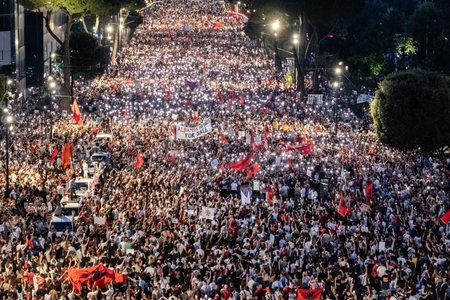
Thirty days is enough for a government to absorb, neutralize, or negotiate with a wave of citizen pressure. This has not happened because we are not simply dealing with opposition to a project, but with a public trial of a governance model where arbitrary decision-making and clientelistic capitalism have encountered a resistance that the government neither anticipated nor knows how to manage.
However, after a month, the movement itself faces the difficult question: What next?
Even if this cycle of demonstrations (among the most peaceful on the continent) were to end today, there are three things that cannot be hidden.
First: The myth of Albanian apathy has been shattered. In fact, what was shattered was not apathy, but distrust of traditional mediators, parties, and to some extent the media. Coming to the fore without party structures and without a formal leader, this movement aligned itself with the 2013 protest against chemical weapons and the 2018 student revolt. All three were ignited when the cause exceeded electoral calculations. All three showed that citizens mobilize only when they do not see credible mediators.
Second: The international narrative on Albania. For years, the country has been identified mainly with immigration, corruption or organized crime. The protest created another narrative: a civil society that mobilizes peacefully to defend the public interest. The connection of the ecological cause with global capital (President Trump's family) took the debate out of the province and made it readable in British, German and French newspapers. But it is known that international attention passed from Tehran to Tirana with just as much ease as it passed from there.
Third: protests without a leader. The system is accustomed to negotiating with movement leaders (or rather, corrupting them). The lack of a single leader made the movement elusive, but left it without a negotiating voice. When no one speaks on behalf of the square, the government gains a permanent alibi: "we have no one to dialogue with."
Mungesa e lidershipit ka dy anë: Autenticiteti, pakapja, pakorruptueshëmria, por ana tjetër, një lëvizje pa strukturë negociuese nuk mund ta kthejë presionin moral në rezultat institucional. Çdo protestë jeton nga kapitali moral, por ky kapital, ndryshe nga ai financiar, nuk prodhon interesa pa fund. Nëse nuk shndërrohet në rezultat politik ose institucional, ai nis konsumimin. Kur sheshi zbrazet, dhe do të zbrazet, nëse jo sot, nesër apo pasnesër, frika është se mos energjia e shpenzuar të kthehet në zhgënjim. Sidoqoftë, pakënaqësia në shesh, tregon që nuk mund të shpërfillësh më njerëzit. Mungesa e lidershipit në të njëjtën kohë rrëzon edhe teoritë e konspiracionit se ka “një dorë” që i organizon. (Nuk është Irani, Greqia, Kosova, Turqia, por Pakënaqësia).
Diaspora përbën një element të rëndësishëm simbolik dhe moral. Por duhet thënë hapur: sistemi e ka kalkuluar diasporën prej dekadash, për vota, për remitanca, dhe retorikë kombëtare. Prania fizike në shesh është një zhvillim i ri dhe me peshë simbolike. Por që të ndryshojnë llogaritë e pushtetit, diaspora duhet të jetë faktor i qëndrueshëm dhe jo valë mobilizimi.
E njëjta logjikë vlen edhe për krahasimin me 2013-ën dhe 2018-ën. Ato dy lëvizje provuan se protesta mund të masivizohet. Por provuan edhe diçka tjetër, që shpesh lihet pa u thënë: se ndezja pa transformim institucional prodhon zhgënjim, e zhgënjimi prodhon apati edhe më të thellë.
Nëse edhe kjo valë e tretë mbyllet pa asnjë rezultat konkret dhe të verifikueshëm, kostoja nuk do të jetë thjesht dështimi i kësaj lëvizjeje, do të jetë dëmtimi i besimit te protesta si mjet ndryshimi.
Dilemat e sistemit
Strategjia klasike e sistemit ka qenë “lodhja”. “Bashkëekzistencë paqësore me protestën. Ne qeverisim, ju protestoni”. E ka aplikuar dy herë me sukses të pjesshëm. Por sot ka një ndryshim strukturor. Për herë të parë protesta dhe kalendari europian ecin paralelisht. Kjo nuk garanton ndryshimin, por bën shumë të vështirë kthimin në normalitetin e vjetër.
Nëse pas tri valëve të mëdha qytetare në 13 vjet, 2013, 2018, 2026, mënyra e vetme e elitës mbetet injorimi taktik, diagnoza bëhet e pashmangshme: nuk është sistemi që i reziston lëvizjeve qytetare, por lëvizjet qytetare që nuk kanë gjetur ende mekanizmin për ta detyruar sistemin të ndryshojë. Ky nuk është faj i sheshit, sepse përballë ka një strukturë pushteti të ndërtuar me kujdes. Ajo nuk kërkon vetëm energji më të madhe.
Nëse kjo protestë do të mbahet mend si kthesë, do të jetë sepse prodhoi diçka konkrete dhe të verifikueshme pas presionit të ushtruar. Nëse do të mbahet mend për dështimin nga lodhja apo kërkesat naive, atëherë sistemi do të fitojë jo duke kundërshtuar e dhunuar, por duke duruar.
In the end, neither the square nor the government alone will decide. It will be decided by the ability of all actors to learn from June. The square must find a way to turn moral energy into political results. The system must understand that you can exhaust a protest, but you cannot undo the dissatisfaction that it has produced. If one side continues to act with emotion and the other only with calculation, the short-term winner may be the system. The long-term loser will be the citizens' belief that change is possible...




Lini një Përgjigje