


 Shkruar nga Roland Lami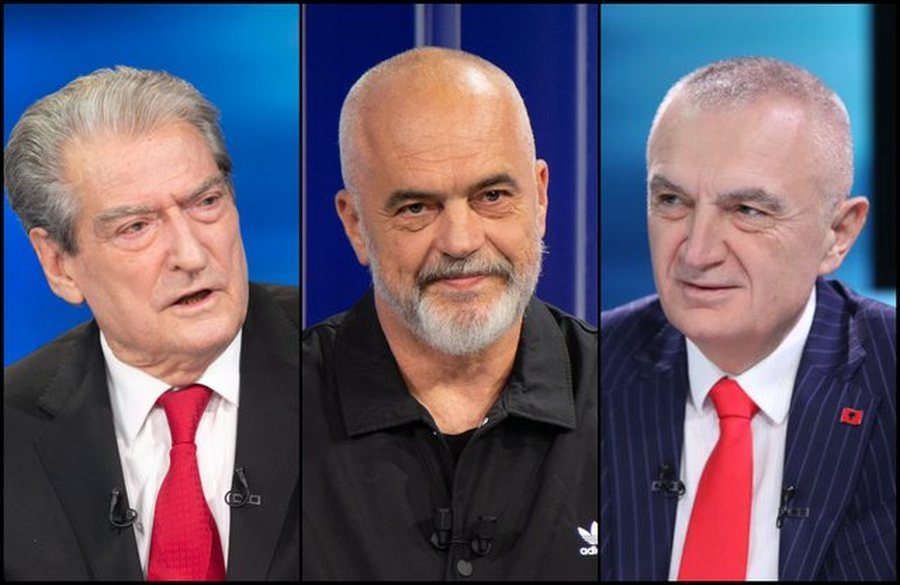
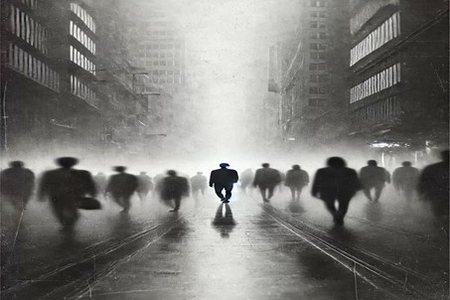
The irony is that running away requires more strength than staying. Not a few leaders who have remained in historiography as statesmen have understood early on that tyranny does not begin with ambition, but with the inability to rule oneself.
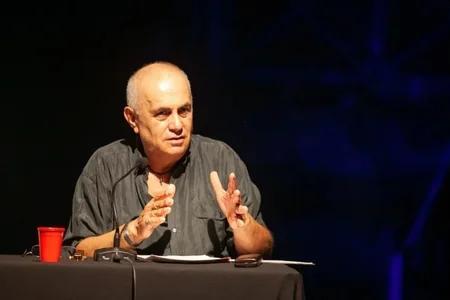
I was inspired by a post by the well-known journalist Mustafa Nano, who, unlike others, does not hesitate to tell some truths bluntly, even to people he has openly supported on more than a few occasions. The essence of his post was related to the central thesis that is held as a postulate in leadership schools, that in politics it is not only important how you enter, but more importantly how you exit. When everyone believes that you are stronger, at that very moment you must know how to leave.
So, today Edi Rama is the most powerful man but at the same time with shattered credibility in the government, as is his equivalent in the opposition, Sali Berisha. The most powerful man in the opposition but with free-falling credibility inside and outside the party. How can these two leaders overcome the pre-modern Albanian traditions of not resigning or the sick ego for eternal power-grabbing at times when they have no rival?
Paradoxically, this is the most opportune moment, as you are at a critical point where you can be remembered as a reformer ala Fatos Nano because you know where to go, or degrade yourself into a leader so that the hatred towards you seems like a compliment compared to the negative energy that the crowds are ready to unleash on you, similar to what has happened to many autocratic leaders in the Middle East if you see power as eternity. How does the metamorphosis of power that becomes part of your existence happen?
Power has a dangerous tendency to make a person believe that he is more than human. At first it is a mission, then it becomes a habit, and finally it becomes an inseparable part of his/her self. Hannah Arendt would say that power exists only as long as it is accepted by others, but the leader who stays too long begins to forget this elementary truth. He confuses power with force and applause with legitimacy, believing that his departure would be an insurmountable void.
Erich Fromm calls this stage “fear of freedom,” the anxiety that the individual feels when he has to live without the role that protects him from himself. Leaving power is not simply a loss of choice, but a risk of extinction. A form of political narcissism where the self is so tightly tied to the chair that any criticism is experienced as an attack on personal existence. Therefore, power in the mindset of these leaders must be defended at all costs, even when the price is very high, the destruction of what was once built with great effort.
This fear of the leader not to interrupt the eternity of power is directly reflected in the party. It ceases to be an organism and becomes an extension of the will of a man. Competitions become formal, thinking differently is labeled as treason, while loyalty takes on more value than ability. Max Weber warned that charisma, if not institutionalized, turns into personal authoritarianism. Where the leader refuses to leave, the institution remains eternal only in name, but dead in content.
The irony is that leaving requires more strength than staying. Not a few leaders who have remained in historiography as statesmen have understood early on that tyranny does not begin with ambition, but with the inability to rule oneself. Knowing how to leave means accepting the limit, accepting that power is a role and substance of the ego. The true leader is the one who prepares the successor and makes himself unnecessary, not the other way around.
History, in the end, is merciless, but fair. It does not remember leaders for how they came to power, but for the moment when they refused to leave. Some find the courage to take a step back and start a different life, calmer, more human. Others remain locked inside power until the end, turning it from a tool into a prison. And there, without the need for political judgments, only character speaks.






Lini një Përgjigje