


 Shkruar nga Mero Baze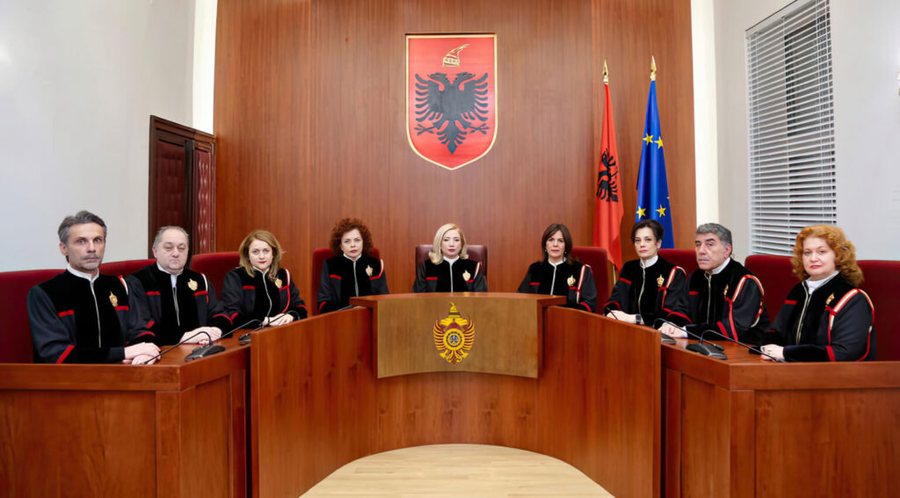
The Constitutional Court accepts the violation in this case, but only partially. It finds the violation of constitutional rights only for those data that are not related to the object of the investigation.
The Constitutional Court's decision on the violation of the confidentiality of correspondence and personal data against a citizen, whose phone was taken during a criminal investigation conducted by SPAK, is a timid step forward by the Constitutional Court, in an attempt to curb SPAK's repressive spirit, but it remains a half-hearted act.
The Constitutional Court has found that citizen Onejda Ymeraj's freedom and confidentiality of correspondence and the right to protection of personal data were violated, after SPAK seized her personal phone.
After seizing the mobile phone in violation of Albanian law, SPAK used the seizure of the phone to obtain evidence for matters that were not the subject of the investigation. In the case in question, privacy was severely violated and sensitive health data of the patients she managed as director of a private hospital, as well as her private life, were also included.
But the decision is truncated and still reflects the fear that the Constitutional Court has of SPAK's blackmailing practices against them, in violation of the law.
The Constitutional Court finds a violation of fundamental rights and orders the destruction of data that is not related to the object of the criminal investigation, but at the same time, it allows the retention of the remaining part, on the condition that it be "under judicial control".
This "partial acceptance" of the citizen's complaint is, in fact, a partial legalization of SPAK's illegal practices - with the absurd reasoning that the violation only occurs when the scope of the investigation is exceeded.
In Albania, there is no specific law regulating the interference with private electronic correspondence. And as long as this legal gap persists, we must rely on the Constitution and the European Convention, where the confidentiality of correspondence is guaranteed by law, and which according to the European Convention can only be limited if the limitation is based on a law, which must be clear and foreseeable in application, and pursues an objective of public interest.
In an unprecedented case, SPAK seized the phones and computers of two journalists a few months ago on charges of having links to criminal groups, despite a Supreme Court ruling in the Lapsi.al case against this practice. Artan Hoxha and Enton Qyno were raided and their phones and computers were taken from their homes, and at lunch they were handed back to them, apologizing for breaking the law, without any guarantee that the content had been copied or misused.
The Constitutional Court accepts the violation in this case, but only partially. It finds the violation of constitutional rights only for those data that are not related to the object of the investigation.
Po çfarë ndodh me pjesën tjetër? Sipas Gjykatës, ajo mund të mbahet, për aq kohë sa është “nën kontroll gjyqësor”. Gjykata Evropiane për të Drejtat e Njeriut është e prerë: korrespondenca private mund të lexohet vetëm me autorizim gjyqësor të mëparshëm.
Gjykata Kushtetuese e Shqipërisë në këtë rast ka shprehur më shumë frikë nga SPAK se sa dakordësi me Gjykatën Evropiane për të Drejtat e Njeriut.
Madje, paqartësia me të cilën ka shkruar vendimin lë përshtypjen që lejon që përmbajtje të mbahet e sekuestruar “nën kontrollin gjyqësor”, një shprehje e paqartë që të lë të kuptosh në mënyrë të tërthortë se sekuestrimi i korrespondencës është bërë nga prokuroria pa një autorizim gjyqësor paraprak.
Telefoni mund të sekuestrohet si objekt fizik. Por korrespondenca private nuk është një send. Ajo është shprehje mendimi, komunikim personal, ndarje intime, dhe si e tillë gëzon një mbrojtje të posaçme sipas Kushtetutës dhe Konventës Evropiane.
SPAK i ka nëpërkëmbur këto praktika me brutalitet.
Zyra e Shtypit e SPAK ka marrë mesazhet e personave nën hetim, që nuk kanë lidhje me çështjen që hetohen dhe ua kanë hedhur turmave si ushqim për qentë, jetën e tyre private. Rasti i Erion Veliajt, ku transkriptet e nxjerra nga fjalimi i depozituar në gjykatë i prokurorit Osli Dado iu dhanë shtypit, duke u nxjerrë dhe nga konteksti dhe duke linçuar atë edhe për jetën e tij private, janë dëshmi për një politikë të qëllimshme diskriminuese dhe linçuese nga SPAK për mënyrën se si i keqpërdor këto materiale.
Nëse prokuroria ka sekuestruar, lexuar apo përdorur korrespondencë elektronike pa vendim të posaçëm gjyqësor dhe pa një bazë të saktë ligjore, atëherë nuk kemi të bëjmë me një thjesht “tejkalim kompetencash”. Kemi të bëjmë me një cenim brutal të nenit 36 të Kushtetutës dhe nenit 8 të KEDNJ-së.
Kompromisi që Gjykata Kushtetuese në këtë rast ka bërë me shkelësin e të drejtave themelore të njeriut është trishtuese.
Vendimi i Gjykatës Kushtetuese, nga njëra anë, sanksionon SPAK-un duke i shfuqizuar vendimmarrjen e tij, në këtë rast si antikushtetuese, dhe nga ana tjetër, i ngarkon po SPAK detyrën për të zbatuar vendimin brenda tre muajsh. Pra, shkelësi i të drejtave ngarkohet me detyrën për të “korrigjuar” shkeljet që vetë ka kryer.
Gjykata Kushtetuese nuk është gjykatë që jep dënime dhe urdhra. Ajo mbron Kushtetutën ose e rishkruan atë. Kaq detyrë ka.
Një akt antikushtetues i kryer nga kushdo nuk mund të korrigjohet nga shkelësi. Nëse SPAK ka kryer një akt antikushtetues, dhe kjo është konstatuar tanimë nga Gjykata Kushtetuese, ky akt bën të pavlefshme çdo provë apo pasojë juridike që mbështetet mbi të.
Ky kompromis procedurial i Gjykatës Kushtetuese është tregues i një kompleksi të heshtur frike ndaj SPAK-ut, një kompleks që nuk po zhduket, por po maskohet me gjuhë të moderuar dhe vendime që ruajnë balancën, por jo rendin kushtetues.
This institutional complex also explains the deliberate vagueness that accompanies the Court’s decision. It speaks of “procedural guarantees” that must be respected, but nowhere does it list what they are. It mentions “judicial review,” but it does not explain when or how the unlawful interference occurred.
And most importantly: he does not have the courage to state bluntly that the Republic of Albania has no law that allows interference in private correspondence. This is a blatant fact, which cannot be masked behind the drafting phrases of the Constitutional Court.
This decision is, without a doubt, a step forward in the protection of fundamental rights, but at the same time, it is also a clear proof of the unquenchable fear that the Constitutional Court continues to feel in the face of SPAK. Even though it has broken its silence and admitted a violation, it does not dare to take constitutional logic to the end. The decision leaves the “rope out”, in the hope that the prosecution will not be offended and, God forbid, will not be “reminded” to wiretap any member of this court again.
If even the Constitutional Court writes with the hand of justice, but erases it with fear from the power of SPAK, then we no longer have a balance of powers, but a court bowing to "force".
This is a “half-justice” that is essentially a new injustice, more refined, but no less dangerous. And such a precedent cannot pass in silence, without public and institutional reflection. Because a decision that “winks” at SPAK, on behalf of a silent institutional compromise, is not a judicial act, it is a political act.
In a constitutional state, justice cannot be a little professional and a little political, just as a woman cannot be a little pregnant and a little virgin. She is either independent, or she is not at all.





Lini një Përgjigje