


 Shkruar nga Ylli Pata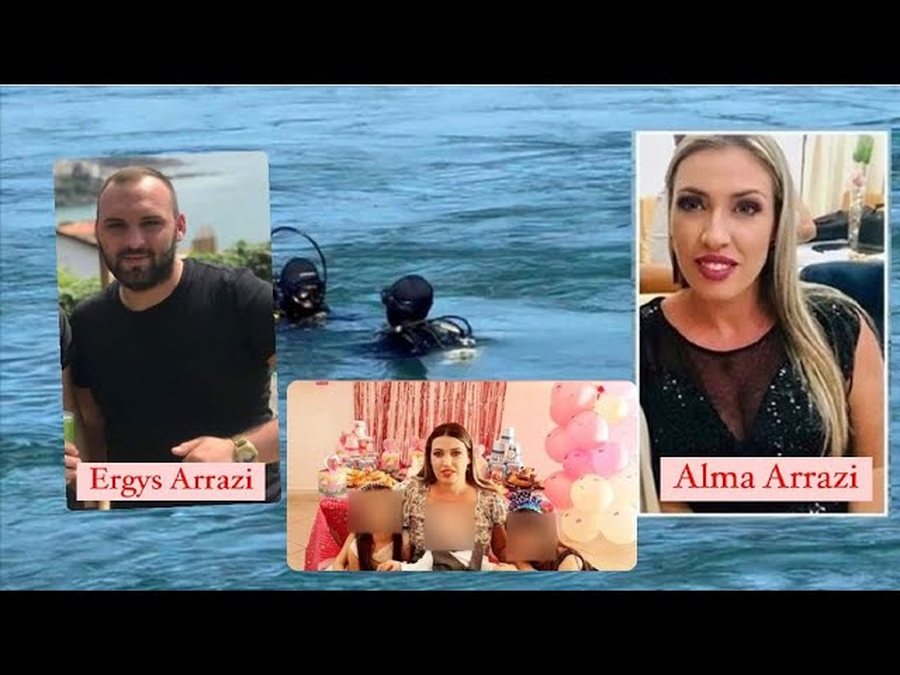
Here is the bottom line, not who raped the wife or the husband had a mistress. But who drowned the children!
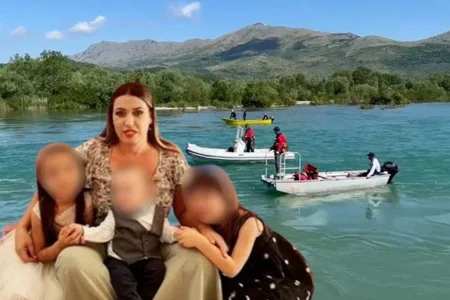
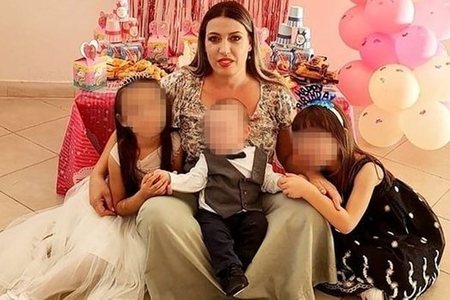
We are three days after a terrible event in Shkodër. Where Alma Arrazi and her three children drowned in the waters of the Buna River.
Today, analysts have almost made the claim, without actually having the data of a terrible crime that must first be solved. Did Alma Arrazi throw her three children into the river to drown them? Or was it someone else who committed the crime? The cameras so far have not released a film test to come to a conclusion. That's why we are still in hypotheses, where everyone talks about violence. Whose violence? Who made it and why did the analysts from Tirana seal it.
In 1995, I was a reporter for the Albanian newspaper in Shkodër. On a quiet day without news, together with my mentor in journalism, Musa Kurtulajn, we met the forensic expert of the Shkodra police. A scientist in the full sense of the word. He told us that he had a sad, very sad event on his hands.
A young bride in Velipoja had killed herself because her husband's parents had burdened her, hurt her and accused her. She was pregnant, while she had not even been married for three months. Her husband, young just like her, was in Italy. Here they live, until one day the beautiful woman kills herself with couples with a child in her belly.
The forensic doctor of the Shkodra police was shocked and told us, we have a better understanding with Musa. I did not delay and wrote a short handwritten report, and then sent the Shkodra telegraph to the post office when many people followed what I was going to say. Where at least two people were agents of Gazidede's SHIK.
The next day, my editor at the Albanian Gazette opened it. "Kill yourself from rumours". The writing was bold. Make a fuss!
That day, while I was attending a lecture with professor Paulina Hoxha in ancient history, the head secretary Ingridi opened the classroom door and said: Ylli Pata is wanted by the rector!
I immediately go to the office of Gjovalin Kolombi. Even though he was a PD militant, he was quite a fatherly character. As soon as he entered, he greeted me with a smile, as if to say that nothing happens here. "What are you writing, my dear, come on, come on, sit here," says the calm rector.
In the adjacent armchair, there was a type of gangster, who did not delay long and said: "I came to kill you". I don't know what happened to me, but I said: Ok, good luck, rifle, see you wherever you want. And we left a meeting place, at the Great Church, the most important place in the city.
As soon as I left the rectory, Musa Kurtulaj and the elder Paulin Selimi were waiting under the faculty building. Both worried about my fate, but the first armed with arguments. Musa had spoken to the girl's father. The story was quite simple. The girl from Shtoji had fallen in love with a boy from Velipoja and they had promised each other.
Their love had been not only sincere but also concrete. After three months they got married, the new bride was naturally pregnant with the boy she loved. But her husband was not there to protect her, and not even the opinion came to her side. The girl's father, an intellectual, not only congratulated me for publishing the news, but added that our daughter did not commit suicide, but was killed by ignorant and fanatical in-laws.
The intervention of the girl's father really saved me from a terrible event that happened every day in Shkodra at that time.
And by the way, they were often killed for blood feuds. In any event, I went to the family for comfort. Then I told him that I am a journalist. Many did not want to talk, but most wanted to express themselves, because the police were hiding the facts. Then they told me and gave me the photos of the deceased. There were colleagues who stole photos from obituaries. they called them "people without religion".
I have never received a photo from the announcements, even though my family members did not give me any information, or they could have driven me away, of course. Today, after many years, I meet people from the families of people whom my profession has met, we talk about that standard that cannot be met today in Albania or Shkodra of 1994-1995. But people talk without a point of connection. Still not finding out who threw the three children into the Buna River, Alma or someone else? The cameras did not capture any other view than the walk.
Alma drank coffee with her sister-in-law for the last time. How did the terrible crime happen? Without clarifying it in detail, no one can make an analysis. Because that's the point, not who raped the woman or the man had a lover. But who drowned the children!




Lini një Përgjigje