


 Shkruar nga Ivan Krastev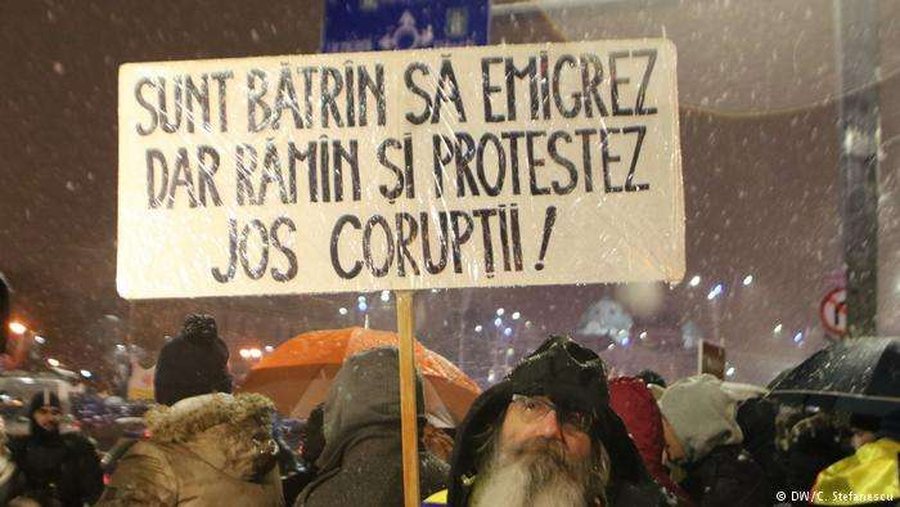
Governments, especially those under pressure, are interested in controlling anti-corruption agencies not simply because they want to guarantee immunity for their loyalists, but because they want to practice selective justice and pursue their opponents.
Last month, Ukrainian President Volodymyr Zelenskyy signed a law giving Ukraine’s prosecutor general new powers over two key state agencies: the National Anti-Corruption Bureau and the Specialized Anti-Corruption Prosecutor’s Office. Both were created with enthusiastic Western support after the 2013-14 Revolution.
Thousands of Ukrainians immediately took to the streets of Kiev and other major cities with slogans claiming “Corruption kills” and “Ukraine is not Russia.” The rallies were the first major anti-government demonstrations since Russia began its full-scale war in Ukraine in 2022. They broke the tacit agreement that criticizing the government in times of war was heresy.
The signing of the law also provoked the most serious crisis to date in Kiev’s relations with the EU and the IMF. In total, up to 60 billion euros in EU-linked support was at risk of being frozen. And then came Zelenskyy’s turn. Instead of breaking his stand, he changed course, restoring the independence of the two agencies.
It turns out that mass protests and international pressure may be the best strategy to protect democracy. But Brussels should be careful not to fall in love with anti-corruption agencies. Not all are created equal.
As thousands of angry citizens demonstrated in Kiev, thousands of equally angry Bulgarians filled the streets of Sofia, protesting the abuse of power by Bulgaria’s supposedly independent anti-corruption commission and demanding its closure. The politically tainted arrest of the mayor of Varna made the commission look like a political tool now being used to discredit and undermine the opposition.
To complicate matters further, the leaders calling for the commission’s closure are the same ones who created it and gave it the authority to both investigate and arrest. Is the lesson that we favor anti-corruption bodies when they expose the sins of our adversaries but despise them when they expose the wrongdoings of our allies, or is it more than that? Bulgaria’s protests show that citizens are aware of the corrosive power of corruption, but they also understand the damage caused by weaponizing the institutions designed to root it out.
Faced with the dilemma of making unpopular compromises to end the war or unpopular decisions to continue the fighting, Zelenskyy understandably fears that the escalating corruption allegations against his allies, however dubious, pose a grave risk to his government. Many Ukrainians blame state corruption for the fatal delay in the construction of defensive fortifications and the country’s recent military setbacks. They also fear that the bleak outlook for the war’s outcome could increase the risk of high-ranking officials being ousted. For a government official feeling threatened at home, a refuge abroad may seem tempting.
When he sought to consolidate his power with this new legislation, Zelenskyy was perhaps counting on Trump’s disdain for anti-corruption agencies and the general European reluctance to criticize Ukraine. But that calculation proved wrong. He misread Europe — and worse, misread his own society. His move was an unforced error and an unexpected gift to Russia.
What worries Ukrainians is not only the apparent immunity of those in power, but also the possibility that anti-corruption institutions, if seized, could become an instrument to subvert democracy - as Bulgarians of all political stripes know all too well.
Citizens on the streets of Sofia must make it clear to both their leaders and those in Brussels that institutional design is not enough to guarantee that so-called independent institutions are truly independent. Public protest seems to be the last line of defense not only against corruption, but also against such abuse of power.
Zelensky’s dangerous plan to subjugate anti-corruption agencies is likely driven by his desire to protect his loyalists facing investigations. But the Bulgarian example suggests that some governments have darker motives: Governments, especially those under pressure, are interested in controlling anti-corruption agencies not simply because they want to guarantee immunity for their loyalists, but because they want to practice selective justice and prosecute their opponents.
When Karl Lueger, the mayor of Vienna in the early 20th century, was accused of working with too many Jews while preaching anti-Semitism, he famously declared: “I decide who is a Jew.” If corrupt governments today have the power to decide who is corrupt, democracy will not stand a chance. / Adapted from “Pamphlet” by “Financial Times”




Lini një Përgjigje