


 Shkruar nga Thoma Gëllçi
The five points are a political start. But the Albanian crisis requires an integrated, measurable and implementable project. Governance is not just a will to punish. It is a capacity to build. Only when these two elements come together can citizens believe that the transition from protest to governance is truly possible.
The BASHKË movement has come out publicly with five proposals that, according to it, aim to bring Albania out of the political, institutional and social crisis. The message is simple: the crisis is rooted in widespread corruption and state capture, so the solution must start there. The proposal includes increasing penalties for active and passive corruption to up to 20 years in prison, lifting the statute of limitations for high-ranking officials in cases of state capture, strengthening penalties for electoral crimes, increasing capacities for investigating and confiscating illegal assets, stronger protection for whistleblowers and repealing the law on strategic investments.
The parliamentary plan foresees the establishment of investigative commissions for concessions, beneficiaries of strategic investments and large privatizations of public assets. The electoral plan aims for transparency in party financing, stopping the influence of organized crime and limiting the use of public administration in campaigns. The social plan proposes the adoption of the law on the living wage and the Status of Miners. All this will be accompanied by public mobilization and collection of signatures, with the aim of turning the crisis into a moment of profound reforms.
Politically, these are clear proposals. They touch the most sensitive nerve of public opinion: the punishment of corruption, and the Together Movement is not the first time it has emphasized this.
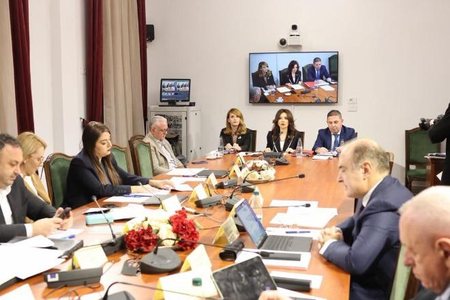
In the Assembly, this party's deputy Redi Muçi has been distinguished for his technical approach, structured legal language and unabashedly articulated criticism of the ruling majority. His interventions have brought a more argumentative standard to a debate often dominated by slogans. On the other hand, the chairman Arlind Qorri has maintained a clear line against clientelism and oligarchy over the years, without tactical zigzags. This coherence has set the party apart from the rest of the opposition.
But the essential question is different: are these five points enough to create confidence that the crisis can actually be resolved? Or are these also in the wake of populist proposals simply to go after the wishes of the public.
Let's focus on the most concrete proposal: increasing penalties for corruption to 20 years in prison. Surely this satisfies a large part of the people. Public opinion is impregnated against corruption. But the history of different countries shows that the severity of the punishment is not automatically a guarantee of reducing corruption.
Shembulli i Norvegjisë dhe Kinës është domethënës. Në Norvegji, maksimumi i dënimit për një zyrtar të korruptuar është deri në dhjetë vite burg. Megjithatë, Norvegjia renditet ndër vendet me nivelin më të ulët të korrupsionit në botë. Sipas Transparency International, ajo merr rreth 81–84 pikë nga 100 në indeksin e perceptimit të korrupsionit, duke qenë mes shteteve më të pastra institucionalisht.
Nga ana tjetër, në Kinë, për zyrtarët e lartë të akuzuar për korrupsion ekzistojnë dënime deri në burgim të përjetshëm, madje edhe dënim me vdekje. Megjithatë, niveli i korrupsionit mbetet shumë më i lartë se në Norvegji. Kina ka marrë rreth 42–43 pikë nga 100 në vitet e fundit në të njëjtin indeks. Pra, ndëshkimi ekstrem nuk e ka zhdukur fenomenin.
Ky krahasim tregon diçka të qartë: diferencën nuk e bën gjatësia e dënimit, por funksionimi i sistemit. Ajo që ul korrupsionin është probabiliteti i lartë i zbulimit, hetimi i shpejtë, pavarësia e gjyqësorit dhe transparenca institucionale. Kur sistemi funksionon, mjafton edhe një dënim më i moderuar për të pasur efekt parandalues. Kur sistemi është i dobët, as dënimet ekstreme nuk mjaftojnë.
Prandaj, rritja e viteve të burgut ka më shumë efekt populist sesa strukturor. Ajo është mesazh politik, por jo reformë. Burgjet nuk janë garancia e zhvillimit. Ato janë tregues i dështimit për të parandaluar në kohë.
Drejtësia reale kërkon më shumë se shpallje dënimesh. Ajo kërkon hetim financiar të thelluar, ndjekje të rrjedhës së parave, konfiskim efektiv të pasurisë së paligjshme dhe kthim të saj në buxhetin publik. Arrestime kemi edhe tani sa të duash por sa para korrupsioni janë rikuperuar realisht? Sa pasuri janë sekuestruar me vendime të formës së prerë? Pa këto tregues, statistikat e arrestimeve dhe dënimeve janë për shpërndarje dekoratash në mbledhje dhe qetësim i përkohshëm i zemërimit popullor.
Edhe propozimi për “rritjen e kapaciteteve për hetim dhe konfiskim” mbetet i përgjithshëm. Çfarë nënkupton konkretisht? Më shumë buxhet për strukturat hetimore? Reformë procedurale? Standarde të reja prove? Afate të qarta? Pa sqarime teknike, formulimi mbetet i hapur dhe thjesht propagandistik.
Zgjerimi i kompetencave pa mekanizma të qartë kontrolli krijon rrezik për sigurinë juridike. Lufta kundër korrupsionit duhet të respektojë parimet e shtetit të së drejtës.
Komisionet hetimore parlamentare janë një tjetër instrument i propozuar. Në teori, ato rrisin transparencën. Në praktikë, në Shqipëri shpesh janë kthyer në arenë shfaqjeje teatrore. Ekziston bindja e faktuar se nëse do që diçka të mos hetohet dhe gjykohet kurrë, atëhere ngri një komision hetimor parlamentar. Transparenca është e nevojshme, por ajo deri më sot nuk është lidhur me pasoja konkrete administrative ose penale. Prandaj komisionet hetimore parlmentare deri më sot , kanë qënë pjesë e argëtimit të popullit.
In the electoral plan, the proposed transparency of financing and the prevention of the influence of crime are legitimate objectives. But how will they be achieved? Which institution will control? What sanctions will be applied? Electoral reform requires technical detail, not just a declaration of principle.
Social measures such as the subsistence minimum and the Miner's Status are promises with social weight. But every social policy requires fiscal accounting. How much will the subsistence minimum cost? Where will the funds come from? Will taxes be increased or will the budget be redistributed? A party aiming for government must present not only moral direction, but also economic mathematics.
The exit from the Albanian crisis is not a matter of a law or five points. It is a matter of a model. It is a crisis of the political system, of representation and of an economic model based more on imports and construction than on production. A program for exiting the crisis must link the economy with education, agriculture with finance, foreign policy with domestic development.
When proposals are strong in rhetoric but unclear in implementation, they are perceived as political mobilization rather than reform. Promises like “strengthening institutions” or “increasing capacities” sound nice, but they require technical specification: deadlines, budgets, control mechanisms.
The TOGETHER movement has created a coherent and serious profile in the debate. It also has a clear and complete governing program that, even formally, is over 170 pages. It deserves attention for its stability and ideological clarity. But to convince that it is ready to govern, it must move from message to mechanism, from rhetoric to concrete instrument and above all, move away from populism.
The five points are a political start. But the Albanian crisis requires an integrated, measurable and implementable project. Governance is not just a will to punish. It is a capacity to build. Only when these two elements come together can citizens believe that the transition from protest to governance is truly possible.




Nje nga pikat kryesore,qe duhet te kene ne programin e tyre,eshte kufizimi ne dy mandate i nje personi ne krye te shtetit.Ne vtin 91 ndodhesha ne Korfuz dhe mu afrua nje profesor i universitetit dhe me tha.Nje psiklog Italian i para luftes ju ka nxjerre popull psikopat.Ou po nga se vuajm u pergjigja.Me thote qe sipas atij,per te mos me ofenduar,ju vuani nga mania per te shkuar pas nje personi. Atehere per ta sheruar kete semundje,te cilen sot e shoh,qe ekziston,hapi i pare eshte te mund te bejne nje referndum,pikerisht per kete,qe te mos kete mundesi asnje parlament ta ndryshoje. Ky ndryshim do sjelli ndryshimin e detyrushem te elitave dhe do pakesoj servilizmin.