


 Shkruar nga Mauro Crippa dhe Giuseppe Girgenti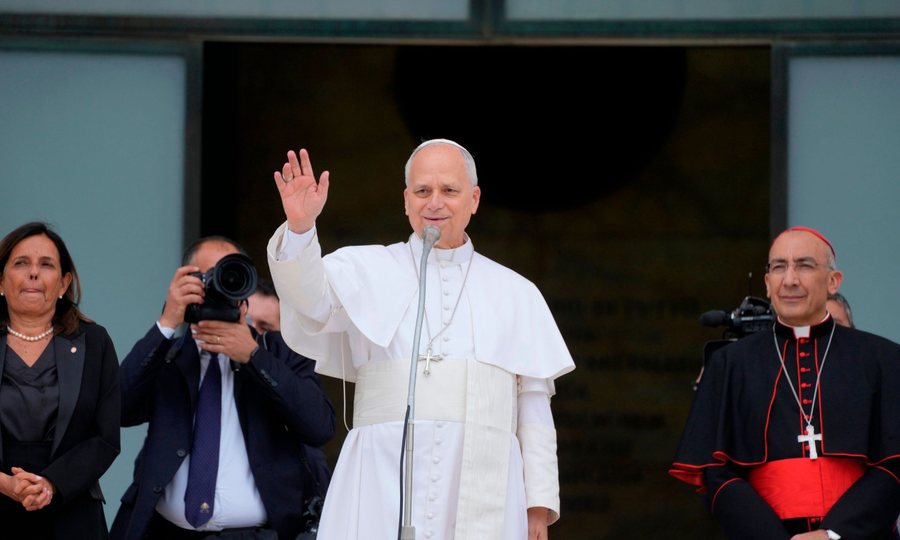
The Pope understands that the real problem with artificial intelligence is not simply technical or economic. It is anthropological...
Why does a 21st-century Pope, in the middle of an encyclical dedicated to Magnifica Humanitas, feel the need to quote Plato? Why, when speaking about artificial intelligence, education, and the future of humanity, does Leo XIV specifically mention Letter VII, one of the most enigmatic and profound texts of ancient philosophy?
The question is not a side issue. In that passage of the encyclical, the Pope does not limit himself to a general invocation of the classical world as an ornamental repertoire of Western culture. He makes a correct choice: he entrusts Plato with the task of reminding digital humanity that the most important things cannot be learned instantly, nor can they be delegated entirely to a machine.
The heart of the text is here: “The most profound and important things are learned only after much time and effort.” It’s a phrase that seems to have been written against the immediacy of real time. Leo XIV inserts it into a discussion of the educational dangers of AI: the speed of answers, the ease of summaries, the constant availability of information can suppress the desire for personal inquiry, for questioning, for doubting, for waiting.
The Pope understands that the real problem with artificial intelligence is not simply technical or economic. It is anthropological. Every technology educates those who use it. Every tool modifies the relationship with time, with language, with memory, with desire. The point is: not how intelligent AI is, but what effects it has on us. There are no neutral tools. And that is why Leo XIV arrives at a surprising formula: educating people about the use of AI also means educating them to decide when not to use it.
This is where Plato comes into play. In Letter VII, the Athenian shows that truth does not arise as a given that can be automatically transferred from one mind to another. The highest knowledge arises from a long coexistence with problems, from incessant discussions, from the mutual "rubbing" of concepts and experiences, like flints from which the spark of understanding suddenly shines. It is one of the most extraordinary metaphors of Western culture: knowledge is not a discharge, but an inner ignition. This is why the Plato quote seems crucial.
Inteligjenca artificiale prodhon rezultate; por edukimi njerëzor lind nga proceset. Algoritmi ofron zgjidhje; por mençuria rritet përmes mundit të gabimit, të pritjes, madje edhe të konfuzionit. Makina e zvogëlon kohën; edukimi autentik e zgjeron atë. Nuk është rastësi që Leo XIV përdor foljen "të agjërosh". Propozimi i tij është pothuajse një asketik. Ashtu si çdo qytetërim është dashur të edukojë veten deri në kufijtë e saj në lidhje me pushtetin, pasurinë ose kënaqësinë, edhe sot duhet të mësojmë kufijtë në lidhje me delegimin teknologjik. Aftësia për të marrë menjëherë tekste, imazhe, analiza ose vendime rrezikon të krijojë një njerëzim gjithnjë e më efikas dhe gjithnjë e më pak të brendshëm.
Kuptimi i madh i enciklikës është se problemi nuk është zëvendësimi material i njeriut, por atrofia e tij shpirtërore. Nëse gjithçka prodhohet pa mundim, vlera e pjekurisë humbet. Nëse çdo pyetje merr një përgjigje të menjëhershme, ne humbasim aftësinë për të qëndruar në pavendosmëri, për të kultivuar dyshim, domethënë për të menduar për veten tonë. Megjithatë, pikërisht ai pezullim, ai shqetësim, është djepi i filozofisë, kreativitetit, besimit dhe madje edhe i dashurisë.
Platoni citohet sepse ai është ndoshta mendimtari më radikal i edukimit si një konvertim i shpirtit. Në mitin e famshëm të shpellës, i burgosuri i liruar nuk merr thjesht informacion të ri: ai duhet të përballet me dhimbjen, çorientimin dhe ngadalësinë. E vërteta nuk është e rehatshme. Ajo kërkon një transformim të perspektivës. Në mënyrë të ngjashme, Leo XIV duket se sugjeron që IA nuk do të bëhet vërtet e bindur dhe e dobishme derisa vetë njerëzit të mësojnë të ruajnë atë që është e pareduktueshme në automatizim.
Ekziston një aspekt tjetër, të cilin e analizuam në librin tonë të vitit 2024, Njeri i Vogël. Platoni nuk i besonte shkrimit kur ai pretendonte se zëvendësonte dialogun e gjallë. Në Fedrin, ai rrëfen mitin e perëndisë Theuth, shpikësi i shkrimit, i cili u premton njerëzve një kujtesë më të fuqishme. Por Mbreti Thamus përgjigjet se teknologjia në vend të kësaj do të prodhojë harresë, sepse njerëzit do të pushojnë së ushtruari kujtesën e tyre të brendshme. Është e habitshme se si ky debat i lashtë rezonon sot përballë inteligjencës artificiale. Çdo revolucion teknologjik premton përmirësim njerëzor; por çdo përmirësim gjithashtu sjell një humbje.
Kjo është arsyeja pse citimi i Platonit nuk është arkeologji kulturore. Është një paralajmërim. Leo XIV nuk e demonizon inteligjencën artificiale: ai e njeh dobinë dhe madje madhështinë e saj. Por ai kujton se ekziston një ndryshim thelbësor midis inteligjencës dhe mençurisë . E para mund të simulohet. E dyta lind vetëm nga një jetë e jetuar.
In an age when everything is accelerating, the Pope defends the human right to slowness. In an age of automatic answers, he defends the value of questions. In an age of talking machines, he defends the silence in which conscience ripens. And this is perhaps the deepest reason why Leo XIV quotes Plato: because the Athenian philosopher understood that truth is never simply available. It is a fire that must be lit in the soul./ Adapted from “Pamphlet” by “Corrier della Sera”






Bertrand Russell ka thënë: "Problemi me botën është se budallenjtë janë të sigurt, ndërsa të mençurit plot dyshime."______________________ Mos e ngatërroni kurrë shkollimin me inteligjencën; mund të merrni një doktoraturë (PhD) dhe prapë të jeni një idiot. (Richard Feynman) Mesazhi shprehjes së Feynman është se arsimimi formal dhe titujt akademikë nuk janë domosdoshmërisht tregues të inteligjencës, e aq më pak të mençurisë. Dikush mund të ketë njohuri shumë të specializuara në një fushë dhe megjithatë të tregojë gjykim të dobët, mungesë mendimi kritik ose paaftësi për të kuptuar realitetin përtej asaj fushe.______________________________ Shënim: Po mos të dish diferencën mes të mirës dhe së keqes, dmth që je një idiot. Një idiot i tillë nuk dallon dot të vërtetën nga gënjeshtra, të drejtën nga e gabuara, të mirën nga e keqja. Pyetja me vlerë është: A është mëkat të dish diferencën mes të mirës dhe së keqes? Ka njerëz që i japin përgjigje kësaj pyetje (dhe përgjigjen JO) se s'duan të bëjnë rolin e idiotit sepse janë inteligjentë e të mençur dhe kanë ndërgjegje të pastër. Por ka edhe njerëz që heshtin se nuk janë aq të zgjuar sa të kuptojnë dhe nuk mund të gjykojnë drejt; e po ashtu ka njerëz të tjerë që janë të zgjuar, kuptojnë, por duan të heshtin për disa arsye të tipit "ç"më duhet mua, apo më mirë të shof punën time", ose sepse përfitojnë materialisht nga heshtja ose edhe nga budallenjtë.