


 Shkruar nga Thoma Gëllçi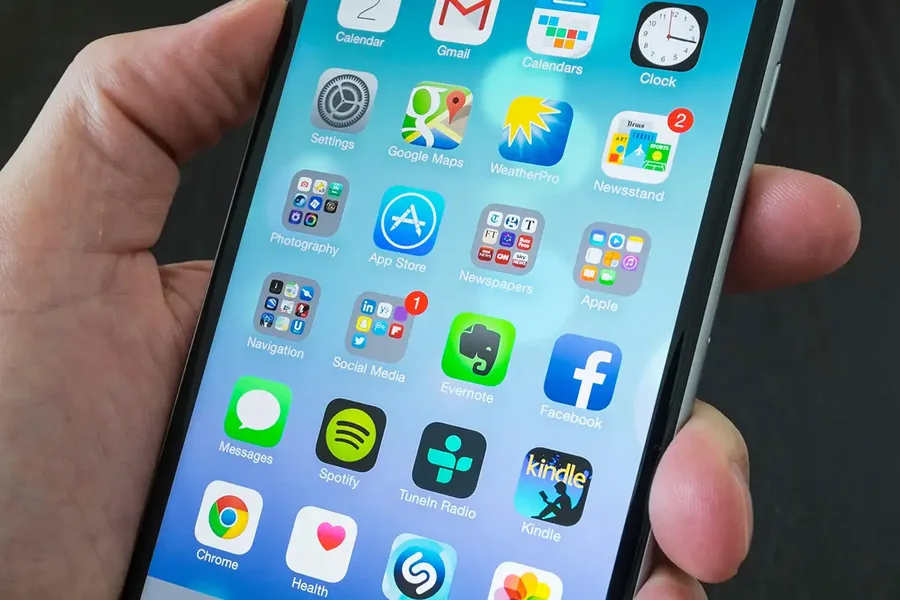
Unbelievable, but that's how it is. Every second we spend online is translated into currency, graphics, and "insights" about someone we'll never meet. Every click is an involuntary vote to enrich companies we can't even pronounce correctly.
In a world where every second online is turned into profit for someone else, disconnecting from the internet has become more than a luxury: it's an act of freedom, almost revolutionary. It seems strange to say, but today turning off your phone is like tearing down the barricades of the Bastille. Only this time there are no cannons and rifles, but notifications, ads and algorithms that follow you to bed.
The past centuries have seen great movements for freedom. The ancient Greeks invented democracy to avoid being slaves to tyrants. The French Revolution brought the famous slogan “Liberty, Equality, Fraternity” to overthrow the aristocracy. We, the people of the 21st century, seem to have been left with a more modest mission: to manage to watch a movie without commercial interruptions. And this fight, surprisingly, seems fiercer than that of Waterloo.
Unbelievable, but that's how it is. Every second we spend online is translated into currency, graphics and "insights" about someone we'll never meet. Every click is an involuntary vote to enrich companies whose names we can't even pronounce correctly. In Caesar's time, the emperor bought the loyalty of legions with denarius. Today, a corporation buys our attention with cat videos and cooking recipes, but also with an endless supply of memes, saddles and naked bodies that are clicked, shared and multiplied on TikTok, Instagram and Facebook.
This is why going offline takes on heroic overtones. It's no longer a vacation, but a gesture of dissidence. Taking a walk without your phone is like declaring personal independence. It's the modern equivalent of founding a small republic, where the only king is your mind and the only tax is the number of steps you manage to take.
And you know what? History will judge us. One day, historians will write: “In the twenty-first century, people fought not for bread, nor for land, but to turn off Wi-Fi for an hour without feeling guilty.” And anyone who has tried to turn off their cell phone to eat dinner without interruption knows that this is a battle as big as that of Thermopylae.
In Albania, this story takes a special turn. In our country, it is not just big companies that devour our attention. Here, the main propaganda is political. Instead of detergent ads, video messages appear with leaders selling promises as if they were dresses in an “outlet” – or to “share” and troll their opponent. In every corner of the network, government and opposition parties compete for our seconds with the same thirst that global corporations compete for clicks. If in the US “like” is sold for advertising, in Albania “like” is a weapon for power – to keep or take it. Every video, every post, every status is not just information: it is a stone thrown onto the battlefield.
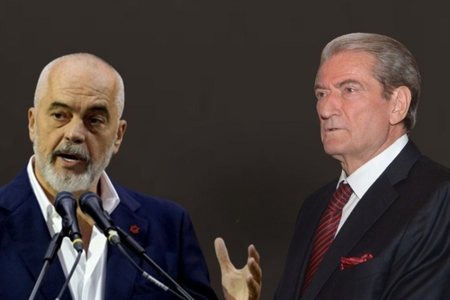
It is no coincidence that today's leaders no longer measure their power by votes, but by Facebook followers. Here are some examples that speak for themselves: Greek Prime Minister Kyriakos Mitsotakis has 411,000 followers; German Chancellor Friedrich Merz has 121,000; and North Macedonian Prime Minister Hristijan Mickoski has 151,000. And in their midst stands Albania's Edi Rama with 1.6 million followers, far more than Greece, North Macedonia, or Germany. If things continue like this, Albania will become the first country in the world where a prime minister will have more Facebook followers than residents. An achievement for Guinness, but a tragicomedy for democracy.
Anyone who dares to turn off their phone in the middle of this endless virtual campaign is committing an act that is more than a break – it is a rejection of the game. It is as if they were saying: “No slogan can buy me today.” In this country, where every political debate turns into a news marathon, simply walking down the boulevard without hearing the voice of a party leader is a luxury equal to an escape to the Alps.
And here comes the greatest irony: Albanian politicians, who appear brave on every screen, would be more afraid of a people going offline than of a protest in front of the Prime Minister's Office. Because a protest gives them news, but digital silence takes away their audience. And what is politics without an audience? A useless speech in front of empty chairs.
And this is where the “OFF” button revolution begins. There is no need for Molotov cocktails, tear gas, or barricades. A small tap on the phone screen is enough to declare war on propaganda, advertising, and manipulation. And perhaps, one day, when the history of this country is rewritten, it will be said that the great change began not from the protest square, but from the first moment when citizens began to turn off their phones and turn on their minds.


Lini një Përgjigje