


 Shkruar nga Rados Ljusic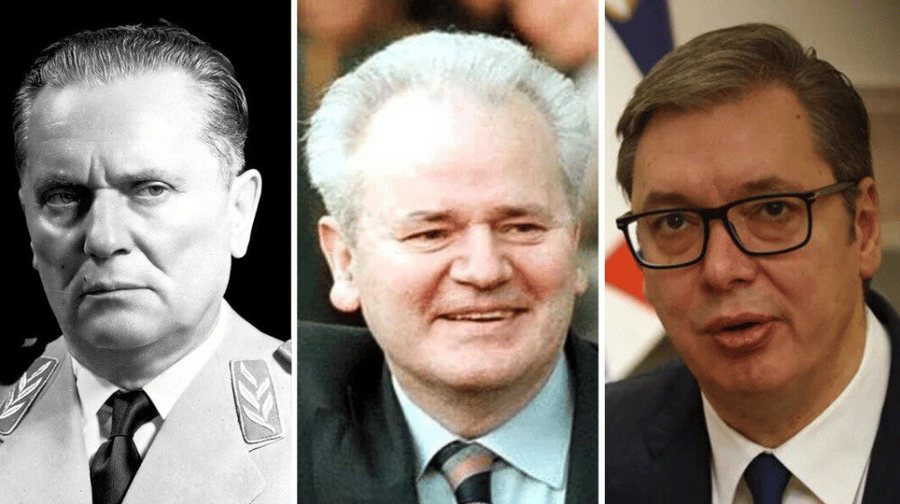
The older the dictatorship, the faster and more complete the oblivion, because the memory of past events fades; the closer the dictatorship is today, the fresher the memory.
Dictatorships are the worst form of government, both in monarchies and republics. For the monarchical form of government, I cite two examples of absolute omnipotence: French and Serbian.
"I am the country", said Louis XIV, while Prince Milosh is known for the expression: "I am the Master, so I want you to serve me; whether you like it or not you will do it again".
There is almost no difference between an absolute ruler and a dictatorial president when it comes to running the country and managing people. When a man of socialist Yugoslavia and present-day Serbia stops and thinks about his last years, the first thought that comes to mind is that he lived almost his entire life in dictatorships. My generation can serve as an example: we were born in Tito's dictatorship, survived Milosevic's and grew old in Vucic's.
In the dictatorship of Tito, whom the Serbs loved and respected more than any of their rulers, it was the most difficult for the Serbian people; in the Milosevic dictatorship, we seemed to revive the ancient Serbian roots and returned to the dark past of Vilajeti; in the dictatorship of Vučić, we showed that we are unworthy of our exemplary forefathers, who led us until 1913.
The Serbian people in Serbia could only for a short time (from 2000 to 2012) clear their lungs of dictatorial passions, not counting the era before 1918. Although that decade was also overloaded with various troubles, it can to say that, however, they differ from the aforementioned dictatorships. Only the people who spent centuries in subjection to the Turks, the Austrians and the Venetians could allow themselves to live the second half of the 20th century and the beginning of the 21st century in the dictatorships, not of others, but of the states of their national and their national dictators.
The subject mentality was real for a long time under foreign rule and it was difficult to eradicate it. During the existence of the national states, Serbia and Montenegro, although there was enough time and opportunities, the subjective mentality was not eradicated.
During the 19th century and the beginning of the 20th century, there were many popular uprisings, of which I mention the three most famous: Miletina (1835), Vuçiqeva (1842) and Timochka (1883), which partially facilitated the subjugation . There was little time to do more in this direction in the Yugoslav kingdom of united, disaffected and intolerant peoples, but even that short-lived period was not without a small and easy dictatorship.
The older the dictatorship, the faster and more complete the oblivion, because the memory of past events fades; the closer the dictatorship is today, the fresher the memory. Of the three dictatorships of my generation, the worst was Broz's, then Milosevic's, and then Vucic's. The countless crimes of the first dictatorship were systematically suppressed during the dictator's lifetime, only to fade away completely in the latter period, so individuals find him to be more lenient than the other two, which is a misleading assessment.
The mass killings of ideological opponents at the end of the war and in the following years are horrific. Socialist Yugoslavia was a country exclusively dependent on him! Who was "swallowed" by the darkness, no one knew, nor did they find out. On the streets, no one was allowed to speak or express dissatisfaction with his rule, at any time, anywhere and in any way. The only good thing is the student demonstrations in 1968. Nothing changed until his death, not even the dictator. A man without South Slavic roots, he was everything to all the peoples of Yugoslavia.
Gabimi i Millosheviçit ishte ideja se ai mund ta pasonte Brozin në sundimin diktatorial, duke mos u kujdesur që të mos kishte mbështetjen e atyre që na e dërguan Brozin si sundimtar republikan jo të trashëguar. Broz trashëgoi Jugosllavinë e madhe, Millosheviçi krijoi një Jugosllavi të vogël të popullit serb. Diktatura e tij, tani vetëm në Serbi dhe Mal të Zi, ndryshe nga ajo jugosllave e Brozit, ndodhi në kohë lufte të trazuar.
Mbrojtja e luftës civile i dha kuptim dhe thelb, i cili ndryshoi pjesërisht deri në rënien e saj. Ajo që ishte e paimagjinueshme në kohën e Brozit (njerëzit në rrugë) u bë e zakonshme gjatë regjimit të Millosheviçit dhe Vuçiçit. Rruga është bërë vendi i demokracisë serbe, jo Parlamenti!
Me kalimin e kohës edhe populli dalëngadalë maturohej. Erdhi diktatura e tretë republikane, pas një pushimi prej një dekade të demokracisë së brishtë, të paqëndrueshme dhe lakmitare. Dhe ndërsa Broz dhe Millosheviqi ishin luftëtarë, Vuçiç ishte vetëm një spektator lufte. Kjo nuk është e parëndësishme në përcaktimin e vlerësimit të diktaturës.
Sundimi i Vuçiçit është më i buti, por duket i fuqishëm. Mund të ecësh i qetë kur të duash dhe sa të duash, por nuk mund të hysh në Kuvend; ju mund të shkoni në votime, por nuk mund të fitoni; mund të debatosh, por vetëm në Parlament; Unë ju ofroj gjithçka që nuk arrini, sepse e di që jeni një opozitë e paorganizuar. E gjithë kjo tregon se është një diktaturë e butë, por e shkathët në një popull me mentalitet të rrënjosur nënshtrimi.
Diktatorin më të madh në këtë rajon e varrosëm në Beograd, me pompozitet, sepse nuk ishte i yni, ndërsa Millosheviçin ia dorëzuam Hagës, sepse ishte i yni dhe pastaj e varrosëm në vendlindjen e tij në Pozharevc. Diktatori i dytë më i fuqishëm është mes nesh; askush nuk është i sigurt se diktatori më i madh prehet në Beograd dhe asnjëri nga shtetarët dhe historianët në tokën serbe nuk ka forcë, fuqi e dëshirë për të ngritur çështjen e identitetit dhe të vendbanimit të tij në vendin e prehjes së përjetshme. Falë mbështetjes nga jashtë, diktatura e tij e fuqishme u bë e mundur, ndryshe nga dy të tjerët, për një kohë më të shkurtër dhe shumë më të ‘butë’.
Tragjedia e popullit serb (dje, sot dhe nesër) pasqyrohet, mbi të gjitha, në qëndrimin tonë ndaj diktatorëve. Ne e adhuruam Brozin dhe nuk na lanë në rrugë, e urrejmë Millosheviçin dhe na lejuan në rrugë, i bërtasim Vuçiçit dhe ai na lejon të ecim të qetë në rrugë! Diktatorët nuk ndryshojnë, as statusi i subjektit të popullit serb, përveç kur është në rrugë. Përvoja tregon se ndryshimi i diktaturës mund të ndodhë vetëm kur të digjet deri në gozhdë, në rrugë dhe me mbështetje nga jashtë, për fatkeqësinë tonë të madhe. Tragjedia jonë qëndron në faktin se ne po luftojmë për demokraci në rrugë dhe jo në zgjedhje dhe në parlament. Rebelimet kanë nevojë për një lider, si Toma Vuçiç Perishiç, i cili pas kësaj nuk do të shpallet diktator.
The tolerance of the Serbian people towards dictatorships and dictators is worrying. The road and the struggle for basic civil and democratic rights in it were and remain a beacon for the Serbian people. Who is responsible for this situation: the dictators or the people, judge for yourself. /Adapted Pamphlet from Danas


Lini një Përgjigje