


 Shkruar nga Ervis Iljazaj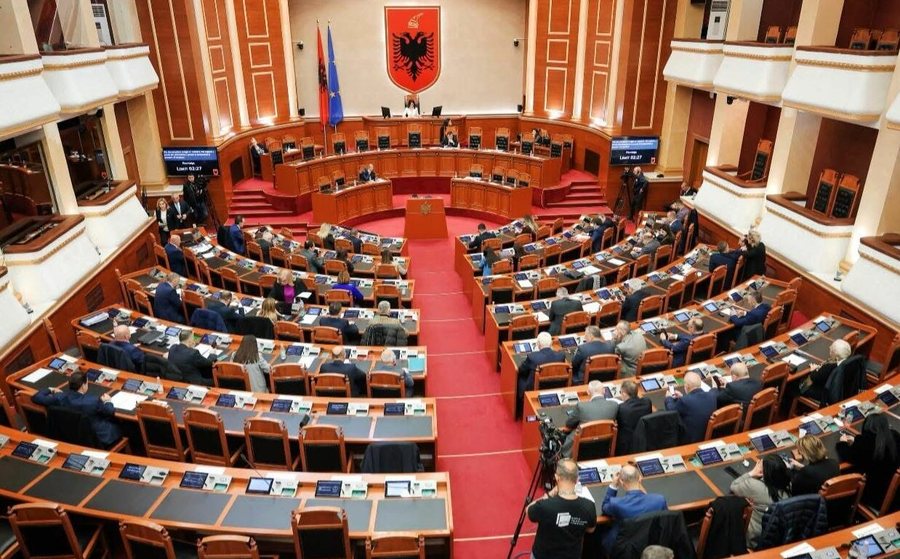
In most cases, or perhaps in all cases, when parliamentary elections are held, parliament is no longer in session. This was also the case in Albania when elections were held in the summer period corresponding to the two-month period provided for by our Constitution.
The Constitution of Albania stipulates that the Assembly cannot consider new draft laws 60 days before the end of its mandate. According to calculations, this date is July 8. Thus, until July 8, the Assembly of Albania can approve laws and perform any function that is its responsibility according to the Constitution. After this period, and until the constitution of the new Assembly, such an Assembly can only be convened in exceptional cases. The executive branch also enters a transitional phase, and its power is significantly reduced and only manages the ordinary affairs of a society.
This transitional period, both for the Assembly and for the government, has been foreseen by many constitutions of European countries that have a parliamentary form of government, such as Albania. The logic of this norm is the fact that it is assumed that the next parliamentary elections were organized two months ago, and being so, the deputies of the old legislature no longer have political legitimacy to approve laws or to perform their function because the citizens have voted and elected new representatives. Therefore, the Assembly can only meet during the two-month period for exceptional cases.
In fact, there are certain countries that extend this period to more than two months to allow the state time to organize elections and prepare for the new legislature.
In most cases, or perhaps in all cases, when parliamentary elections are held, parliament is no longer in session. This was also the case in Albania when elections were held in the summer period corresponding to the two-month period provided for by our Constitution.
But this time, since the elections were held in May, much earlier than two months before the end of the mandate, the Albanian Parliament is continuing its work normally until July 8. Is it normal for deputies at the end of their mandate, many of whom have not even been re-elected by Albanian citizens, to continue to make decisions and approve laws that affect the lives of Albanian citizens and the future of the country?
Of course, there is a constitutional and democratic anomaly here for several reasons.
First, because at the end of the mandate, the Assembly does not have the political and moral legitimacy to approve laws for the future, given that citizens have mandated new deputies.
Second, many of the current MPs were not elected to the new legislature and do not have the legitimacy to decide on laws and issues that affect our lives.
Third, since many of them do not have a mandate for the new legislature, they have no responsibility to the citizens and can vote for any kind of law without being held accountable.
And finally, once the new legislature has been voted in, it makes no democratic or constitutional sense for the old parliament to continue to meet and conduct its work as if nothing had happened.
Not in vain, many European parliaments have set the transitional period from the moment the elections are held, even from the beginning of the campaign until the constitution of the new parliament.
Let's be clear, the Albanian Parliament is implementing the Constitution and is not committing any violations, but continuing its work even after the elections is an issue that needs to be addressed in the future. Because this makes neither political nor democratic sense.




Lini një Përgjigje