


 Shkruar nga Pamfleti
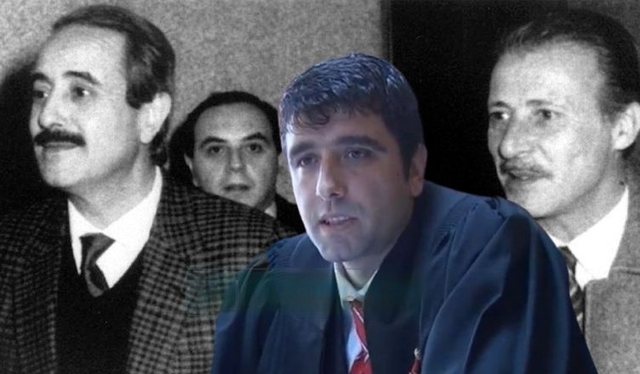
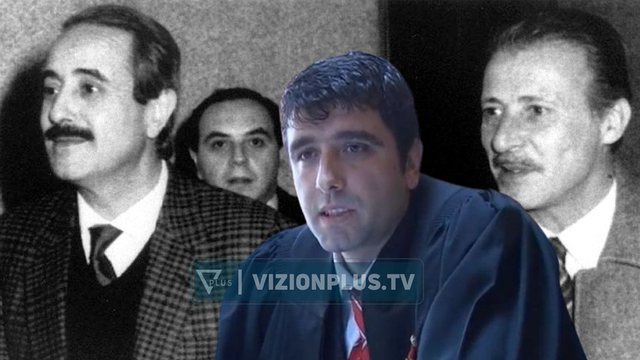
Montenegrin media have published an article today, where they show how the Albanian judge Skerdilajd Konomi was killed by the same explosive with which the famous Italian judge Paolo Borsellino was attacked...
The explosive, which was used more than three decades ago during the assassination of the famous Italian judge Paolo Borsellino, was produced in Berane, Montenegro.
This is not surprising, given the fact that in those years Montenegro was a refuge for Italian mafiosos fleeing from the country's justice, but also to be protected from opponents.
Earlier, the newspaper La Gazeta del Mezoggiorno referred to this fact according to the testimony of a repentant member of the "Sacre Corona Unite" mafia, who claimed that the explosive had come from the former Yugoslavia, most likely from Montenegro.
This repentant mobster said that at that time in Montenegro there were many Italian mobsters, fugitives from justice who were protected by the Montenegrin authorities. This was a service for the large amount of money that came to Montenegro from cigarette smuggling.
The interlocutor of the RTCG portal recalls that from 1992 to sometime in 1997, a large number of members of two Italian mafia organizations - Camorra from Naples and Sacra Corona Unita stayed in Montenegro.
They ran the business of smuggling cigarettes, drugs and weapons.
According to him, all Italian mafiosi and mafia bosses in Montenegro stayed in that period, mainly in the area of Tivar and Herceg Novi.
Then, for some reason, their "hospitality" was canceled, so they moved towards Albania and other important smuggling destinations.
"Knowing all this, it is not at all impossible that the explosives used in the assassination of the Italian judge Paolo Borselino came from Montenegro", says this interlocutor.
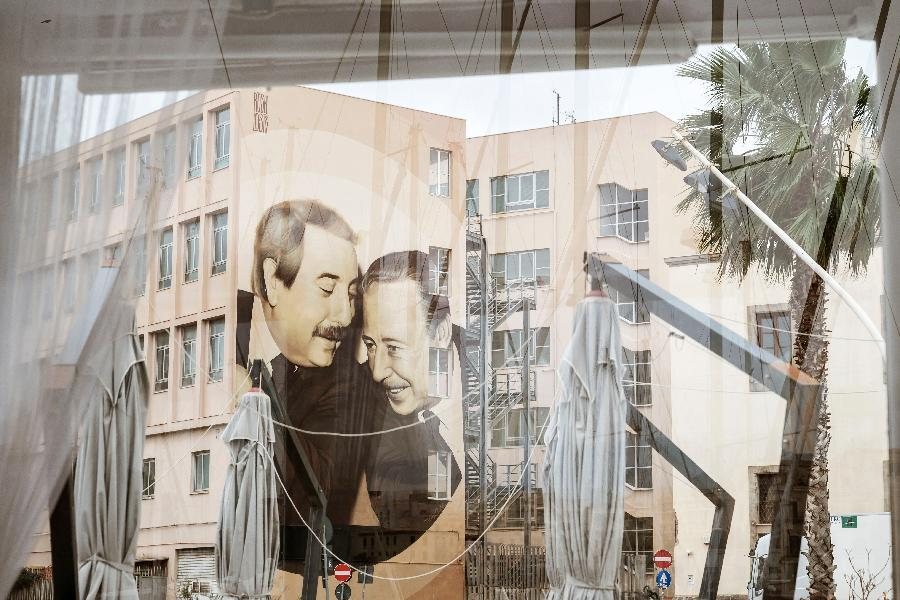
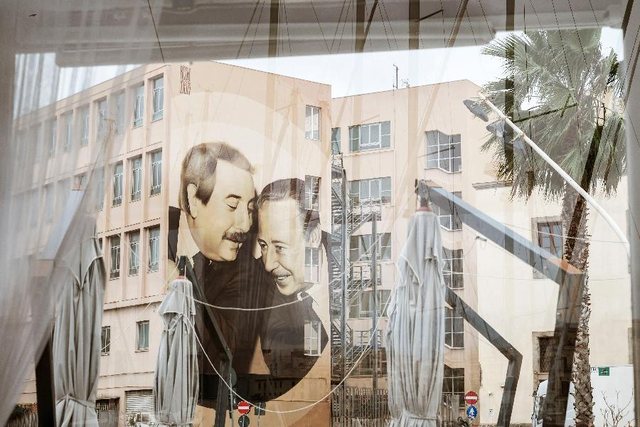
Judge Borselino was killed on July 19, 1992 in a terrible explosion in Palermo. His wife and three members of physical security were also killed in the assassination attempt.
Borselino, together with his colleague Giovanni Falcone, who was also killed two months before him, launched the largest trial in Italian justice against organized crime, during which a large number of mafia bosses were arrested.
On the basis of Borselino's work, the media reports, the Investigative Directorate for the War Against the Mafia (DIA) was formed.
The murder of the Albanian judge
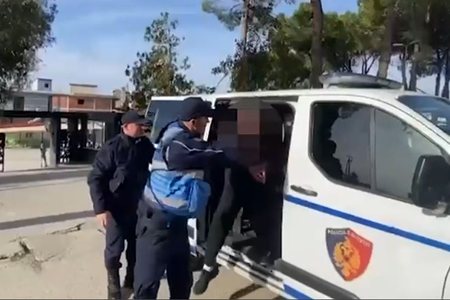
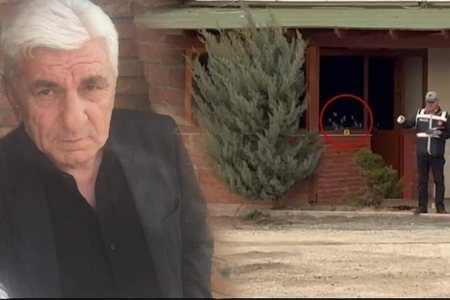
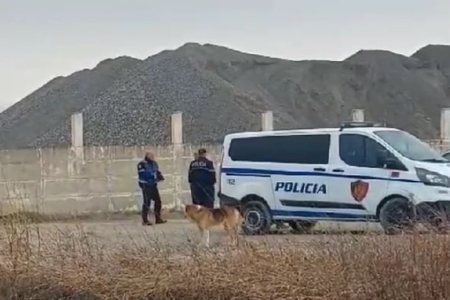
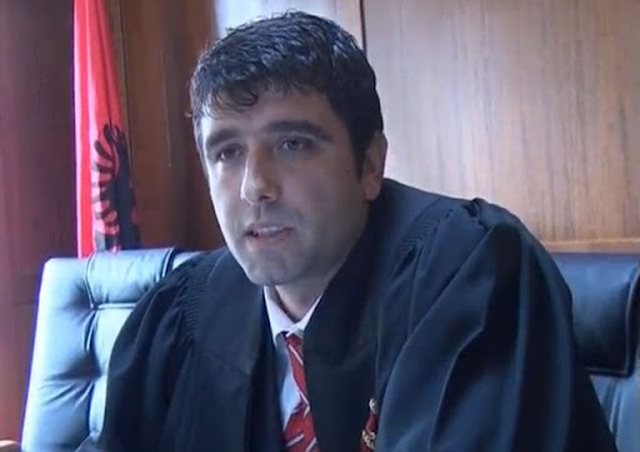
That explosives from Montenegro are in high demand on the black market is also shown by the case when the Albanian police announced that the explosive substance that killed the 33-year-old judge Skerdilajd Konomi in 2011 was most likely produced in Montenegro. .
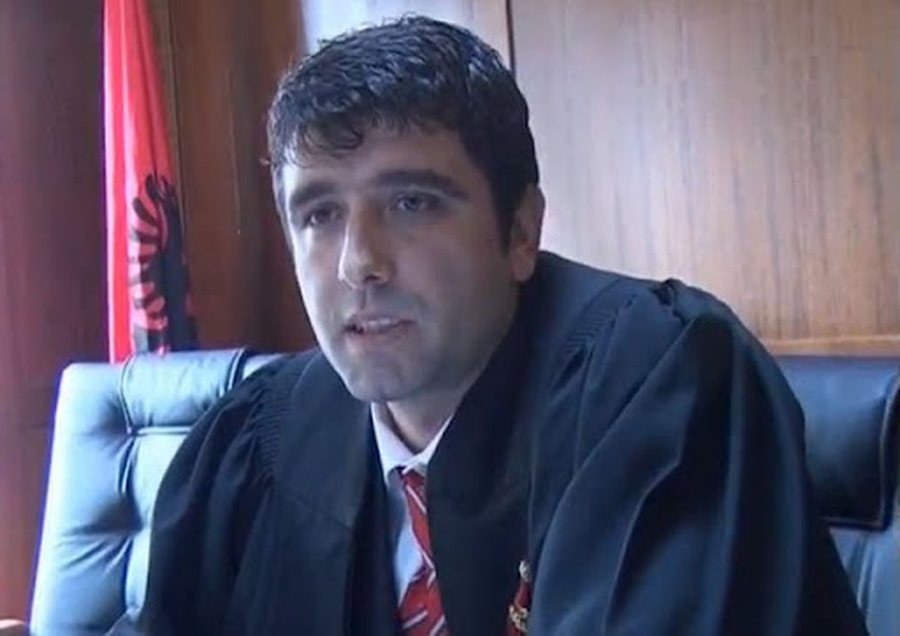
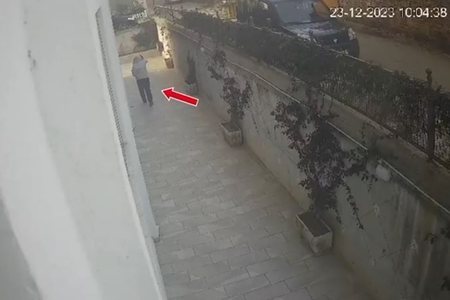
Konomi humbi jetën kur makina e tij Mercedes shpërtheu në qendër të Vlorës në 9 shtator 2011.
Gjatë hetimeve, policia gjeti pjesë të një celulari që nuk i përkisnin gjyqtarit dhe një magnet me të cilin ishte ngjitur lënda plasëse në makinë.
Sipas disa informacioneve të sigurta, numri më i madh i shpërthimeve të vendosura në Shqipëri bëhet me eksploziv të prodhuar në Mal të Zi, specifikisht nga fabrika në Berane.
Një burim i mirëinformuar pohon se ky eksploziv është përdorur mbi tetëdhjetë herë në përplasjet mes grupeve mafioze shqiptare.
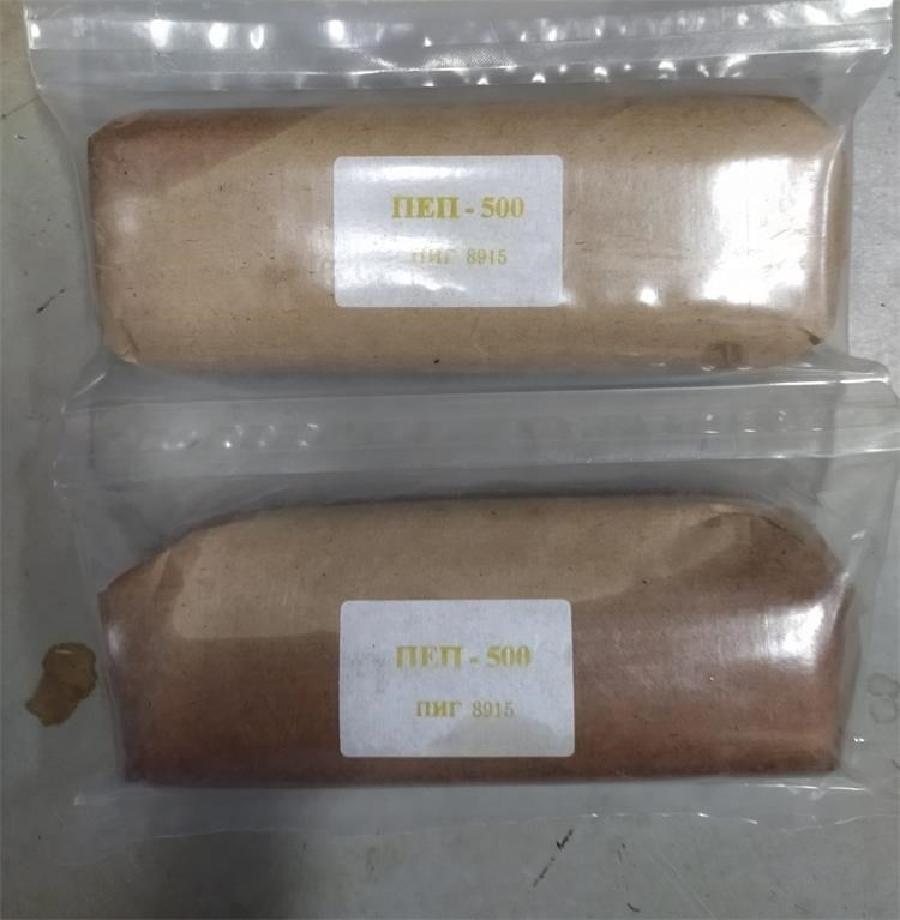
Lëndë shpërthyese nga Berane u vendosën poshtë makinave, shtëpive dhe bizneseve. Disa shqiptarë, të kapur me eksploziv, madje pranuan para inspektorëve se i kishin blerë në Mal të Zi.
Në bazë të përbërjes unike kimike, u konstatua se edhe eksplozivi i përdorur në atentatin ndaj ish-presidentit maqedonas Kir Gligorov ishte prodhuar në Berane.
Vrasja e Glogorovit u krye në tetor të vitit 1995 me ndihmën e një autobombe, e cila shpërtheu matanë rrugës nga Hotel Bristol në Shkup, në momentin kur po kalonte vetura me presidentin maqedonas.
E përditshmja “Blic” iu referua deklaratës së ish-shefit të kërkimit për eksplozivët, Millovan Azbejkoviç, i cili ishte i bindur se në sulmet terroriste në Londër në vitin 2005 janë përdorur edhe eksplozivë plastikë ushtarakë nga Mali i Zi.
Azbejkoviç tha se vetëm katër vende në botë prodhonin eksploziv plastik, por ai malazez ishte më i mirë se ai amerikan C-4.
Ai ka shpjeguar se ky eksploziv është prodhuar në fabrikën ushtarake në Berane deri në vitin 1991, pra në fillimin e luftrave. Që atëhere nuk ka patur më prodhim të këtij eksplozivi, por ai gjendet në magazina ushtarake dhe në tregun e zi me një çmim prej dy deri në pesë mijë dollarë.
Azbejkoviç pohoi se gjatë luftës ai ishte “në çdo vend, në duart e të gjithëve dhe jashtë çdo kontrolli”.
Për këtë kanë shkruar edhe mediat e huaja, duke iu referuar shërbimeve të huaja të inteligjencës.
“Veprimet e policisë rrallë japin rezultat, por në shtator të vitit 2008 në Prishtinë janë arrestuar tetë persona me gjithsej dhjetë kilogramë eksploziv nga Berani”, thotë ky bashkëbisedues.
Ai rikujton gjithashtu se në Berane u sekuestruan njëzet e dy kilogramë eksploziv plastik në një operacion policor të quajtur “Grom”, ku u thye zinxhiri i kontrabandës së armëve nga Ballkani në Francë, si dhe se në atë vend mbi 30 për qind e armëve të paligjshme e ka origjinën nga Ballkani.
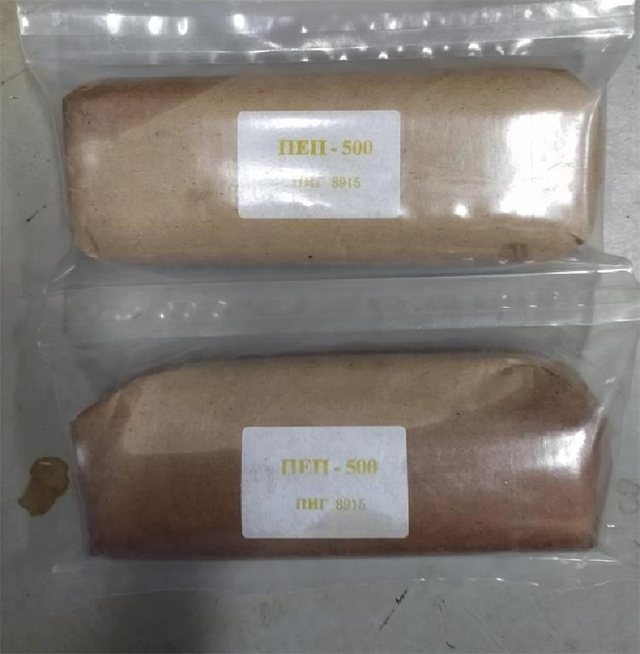
Nëpërmjet kanaleve të caktuara të organizatave kriminale, eksplozivi plastik PEP i Beranit përfundoi në duart e terroristëve nga Lindja e Mesme. U përdor dhe u kontrabandua në Siri nga një kontrabandist i famshëm armësh sirian.
Fabrika ushtarake Beranski “Polieks” u hap në fillim të viteve tetëdhjetë të shekullit të kaluar si pjesë e fabrikës ushtarake në Vitez dhe prodhonte eksploziv plastik, detonatorë dhe bomba për nevojat e ushtrisë së atëhershme.
Polieks was later privatized, reoriented to the production of commercial explosives, and strict control of the circulation of products was put in place, but on the black market you can still find residual stocks of the once very famous PEP plastic explosive, which former explosives investigation chief Milovan Azbejković said it was more powerful than the American C-4. / Adapted from "Standard.co"


Lini një Përgjigje