


 Shkruar nga Afrim Imaj
It looks like a legend, but it is not. The unheard of event was experienced with great anxiety and horror in the poverty-stricken family on the outskirts of the city of Memaliaj in the mid-50s...
Part One
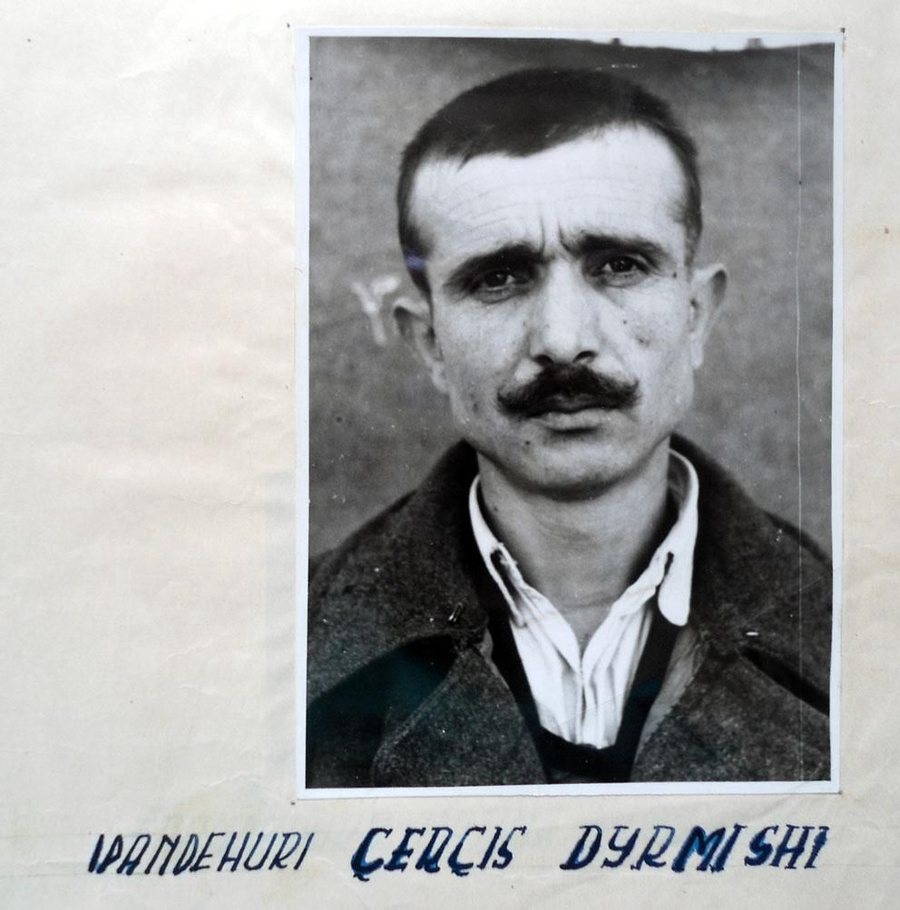
The drama experienced by Çerçiz Dyrmishi and his family in the late 50s, narrated only by them and contemporaries, sounds unbelievable. It would have remained like that in the end, if the official documentation of the former State Security, in which the event is fully recorded, even down to the details, was missing. It starts with a sudden news that has shocked young and old, on the cold morning of January 13, 1959, in the city of Memaliaj. The sudden arrest of Çerçiz Dyrmish and his family, for having killed the daughter of the house, Ervehena, with their own hands, has fallen like a bomb in the small mining town. For months and years, the acquaintances and strangers of the Dyrmishi family would live with hatred for the protagonists of the macabre crime. In fact, what had happened was another story, with a different story and unheard of characters, that would be revealed a little later, when Çerçizi and his friends had spent a lot of time in the prison cells. But what happened?
Hetusia: Circumstances of the Event
Ervehe Dyrmishi was born in Koprenckë of Skrapari and for several years she was married to Xh.Q. from the Progonate of Tepelena. In February 1956, she left her husband's apartment and returned to her brother, Çerçizi, in the city of Memaliaj, claiming that she was mistreated by her husband. A few days later, Ervehesa's husband interferes with Çerçizi and demands her return home. The latter, after talking with his sister, takes her back to her husband, who, according to custom, had also prepared a dinner. During dinner, quite suddenly, Erveheja leaves in the direction of Memaliaj. After that he leaves and Çerçizi and overnight they both return home, first Erveheja and then Çerçizi. After that day, Erveheja disappeared and was not seen anywhere. The fact of her disappearance did not preoccupy any of the family members. The latter are believed to have been satisfied, after being saved by her presence. This is related to the silence of the brother, Çerçiz, mother, sister and other family members. Three years later, in January 1959, the investigative bodies started the procedure for the fate of the missing person. From the circumstances of the case, it appears that the beginning of the investigation for the given case was appropriate. While Erveheja turned out to be missing in the defendant's direction since 1956 and the familiars gave conflicting explanations, for the investigation there were plenty of reasons to think that in this particular case we may be before the crime of murder.
Police: Ervehena was killed
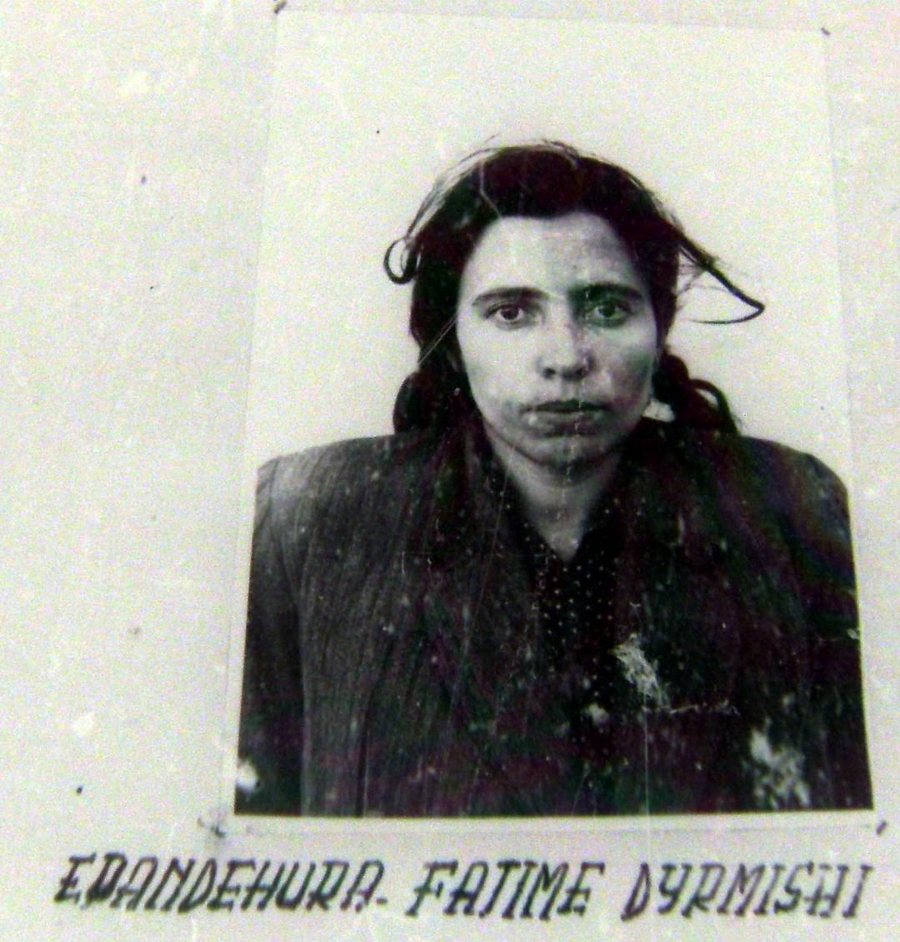
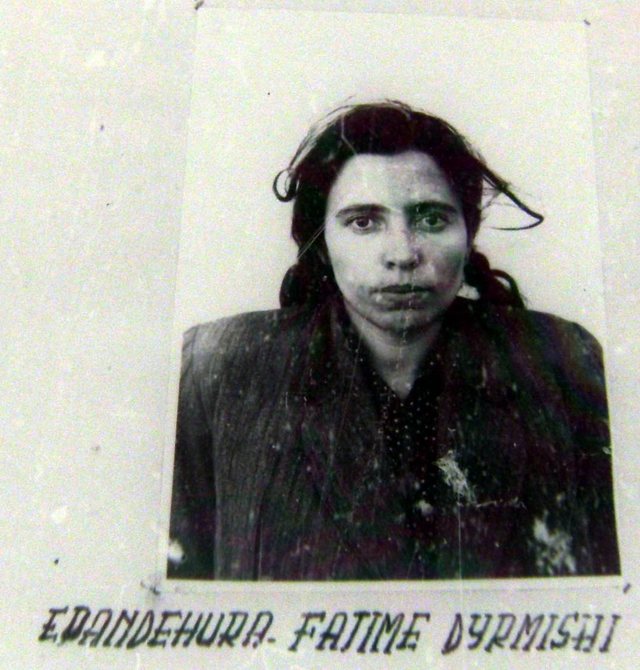
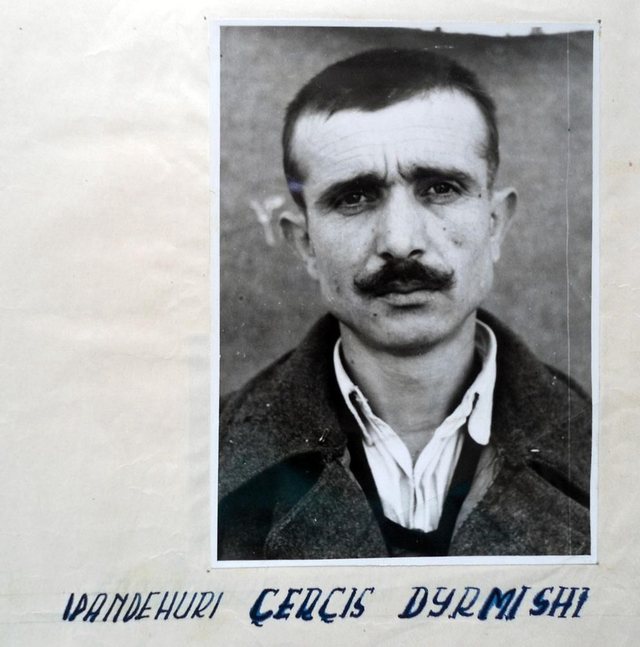
Në datën 3.7.1959, sipas dokumentit të Prokurorisë, Policia e Skraparit filloi ndjekjen penale kundër Çerçiz Dyrmishit nga katundi Kopreckë, me banim në Memaliaj, gruas së tij, Fatime Dyrmishi, dhe vjehrrës, Hatixhe Hasanaj, për vrasjen e qytetares Ervehe Dyrmishi, motrës së Çerçizit, për motive të dobëta. Së bashku me tre të pandehurit u mor në përgjegjësi penale edhe Emine Dino për moskallëzim krimi. Hetimet në fillim u zhvilluan nga hetuesi i degës së Skraparit, Ali Cufi, dhe pas dy muajsh u ngarkua hetuesi i Drejtorisë së Përgjithshme, Zija Çela. Ndërkaq kontrolli mbi hetimet u krye direkt nga kryetari i degës së hetuesisë së Drejtorisë së Përgjithshme të Policisë, Misto Bllaci. Në përfundim, çështja iu referua Gjykatës së qarkut Gjirokastër, e cila deklaroi fajtorë të katër të pandehurit, duke dënuar Çerçiz Dyrmishin me 25 vjet heqje lirie (Prokurori kërkoi dënimin me vdekje), Fatime Dyrmishi me 15 vjet, Hatixhe Hasani me 20 vjet dhe Emine Dino me një vit me kusht. Vendimi u la në fuqi nga Kolegji Penal i Gjykatës së Lartë.
Të pandehurit: E kemi mbytur!
Në procesverbalin e datës 12.3.1959, Çerçizi pohoi: “E qëllova Ervehenë me një hekur tri herë në kokë. Mbasi u rrëzua, vjehrra i zuri gojën për të mos bërtitur, ndërsa gruaja i hodhi litarin në fyt. Mbasi u shkaktua zhurma, erdhi Mineja dhe na pa. Në orën 11 e mbështollëm me një batanije dhe e shpumë afër lumit. Bëmë një gropë një metro të thellë dhe e varrosëm. Isha unë, Hatixheja, Fatimeja dhe Mineja. Nga varrimi u kthyem në ora 12:30 të natës”. Në procesverbalin e datës 18.4.959, Fatime Dyrmishi deklaroi: “Çerçizi i ra me një shkelm dhe Erveheja ra e vdekur. Prezente ka qenë edhe Minija. E mbuluam me një batanije dhe ia hodhëm mbi kurriz Çerçizit, i cili bashkë me Minenë e nxorën jashtë. Se ku e hodhën, nuk e di. Nëna gjithashtu mbeti në krevat (në shtëpi)”. Në procesverbalin e datës 20.4.1959, Fatime Dyrmishi jep këto shpjegime: “E mbytëm qysh atë natë që u kthye nga burri. Më parë Çerçizi i ra me shqelm dhe pastaj e mbyti me litar. Unë i mbaja gojën me shami dhe Çerçizi me Minenë i shtrëngonin litarin. Nëna i mbante duart dhe këmbët. Mbas vrasjes e nxuarrën jashtë Çerçizi dhe Minija. Rrugën e kontrolloi më parë Çerçizi. Trupin e hodhëm në lumë”. Në procesverbalin e datës 8.4.1959, Hatixhe Hasani, pas ballafaqimit me Fatimen, thotë: “Çerçizi vajti në dhomë të Minesë dhe u kthyem bashkë. Mineja mbante në dorë një litar dhe ia hodhën Ervehesë për ta mbytur. Unë me vajzën (Fatimen) vumë duart në kokë, dukë thënë ç’po bëni. Të nesërmen Çerçizi më tha se e hodhën në lumë”.
In the minutes dated 15.4.1959, he explains: "When we buried him, I was not there, but my daughter Fatima showed me the place one day when we were washing clothes." Now the place was deformed. Fatima also went that night. Cherchizi strangled him with a rope, Fatimja covered his mouth with a towel". In the record dated 1.4.1959, Mineja says: "I saw Ervehena killed and covered. They told me that they killed him because he shamed them. I left." In the minutes dated 16.4.1959, Mineja gives this description: "I heard from the corridor that they were fighting. Cherchizi hit him with a stick. I went to their room, opened the door and they told me that they killed Ervehena. The one lying down and covered with a blanket. I don't know how they threw it, after I left the room".
Evidence: Grave by the river
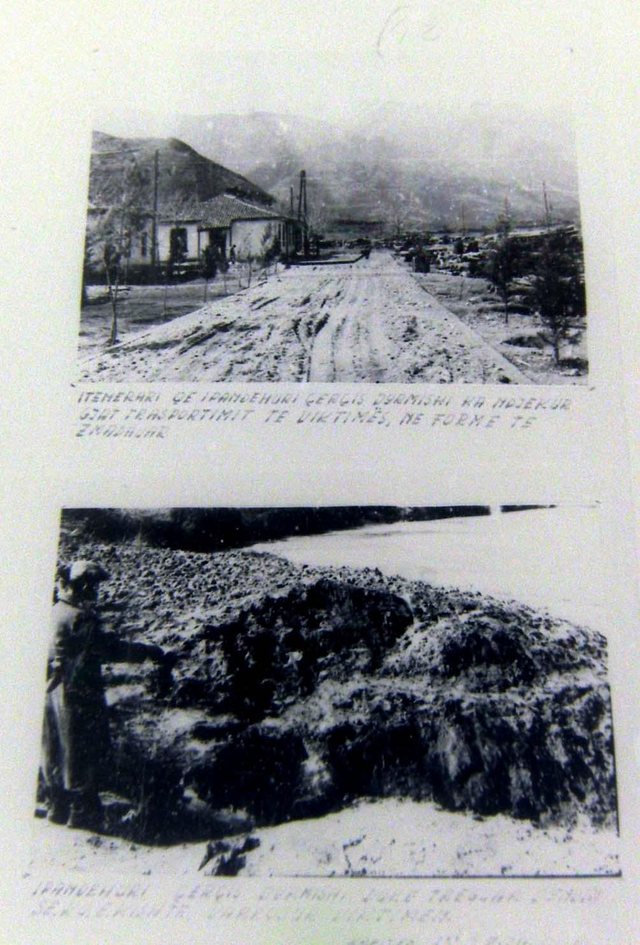
The burial place of the victim is singled out as the strongest evidence of the process for the conviction of Çerçiz Dyrmish and three other family members for Erveheşa's murder. At least, for the part of the experts who have dealt directly with the issue. Beyond the inaccuracies and contradictions contained in the investigation documents about this object, the testimonies of the defendants make its existence even more mysterious. The only point where their statements converge during the process is the description of a place on the edge of the river at the edge of the city. In the confession after the judicial process, Çerçiz Dyrmishi has shown the moments when he answered about the burial place of Ervehe. "It was night, a dark and cold night. After we drowned him, I took him on my shoulders and carried him to a place near the river. There was a pit and I threw it. We covered it with mud and thorns so that it would not be understood and returned home. The investigators took me there dozens of times. We dug with them, but we didn't find anything. "Maybe the river took it," I told them. Çerçiz's wife, Fatimja, gave almost the same answer about the burial site.
Testimony obtained under torture
Arrested by surprise, Çerçizi with his mother and wife, have accepted under torture the fable believed by the security and investigative authorities about the fate of Ervehesa, who disappeared during the night in the distant year 56. Regardless of what had happened to him, they were forced to assert , even to some extent and to believe that they had killed Ervehena with their own hands! Just when "justice" had given its verdict on the "criminals" and they were being punished according to their "guilt", a strange voice was heard that few believed: Erveheje is alive! Alive, but how is it possible to take the dead from the grave? Those who knew well the story of what had happened spoke under their breath. Anything further rightly sounded incredible to them.../ Pamphlet
Continued



Lini një Përgjigje