


 Shkruar nga Chen Fenghua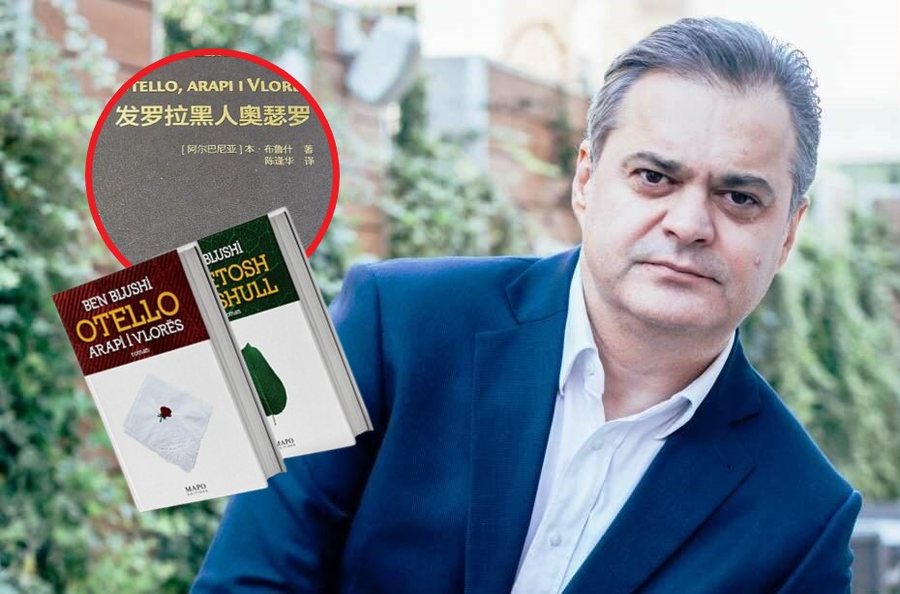
It is not difficult to see that in the work "Othello, the Arab of Vlora", Blushi boldly used the "old bottle" of the world-famous tragedy "Othello" by Shakespeare, introducing his "new wine" into it. In this bottle of "new wine", through the confrontation between Venice and Vlora, the picture of the real life of the Mediterranean region of more than 600 years ago is revived...
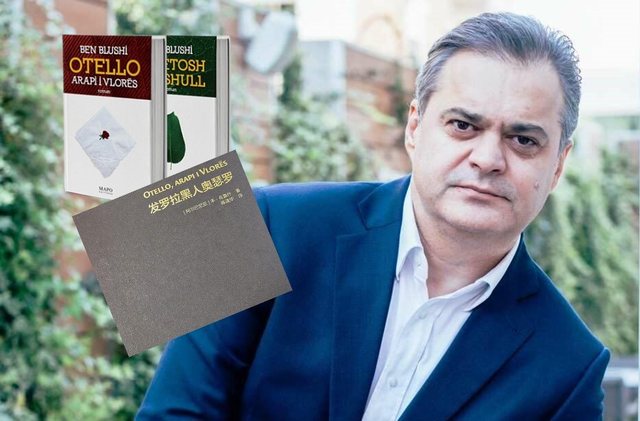
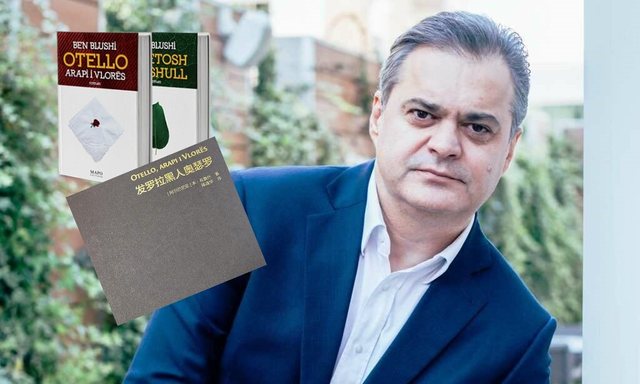
"Otello, the Arab of Vlora", is a representative work of the well-known contemporary writer Ben Blushi, with which he has earned the "Best Writer for 2009" award at the 12th edition of the International Book Fair as well as the "European Award of Literature for 2014". At the same time, "Otello, the Arab of Vlora", together with his other two novels, "Living on the Island" and "Albania, 2011", make up the triptych of Blushi's series of novels, which not only have aroused fiery debates in Albania, making him a bestseller writer unseen in the last 20 years.
They have also surprised the readers with the sharp topics they treat, the special style and the rich and beautiful language, succeeding in making them interested in literature again, from which they had started to leave gradually. Moreover, many critics consider Blush, this figure with powerful influence in many fields, and the cultural phenomenon that his triptych has evoked, as "a great literary event", with the hope that in the not-so-distant future, Albania to produce a world-class writer.
And to complete the string of praises to him, it is worth noting that starting from the 90s of the 20th century, Blushi, who started his career in the written press, then jumped into politics and returned again the years the last in the television media, has never stopped writing literature, often producing excellent works. These three novels of his restored the interest of Albanian readers in literature and awakened the sleepy literary world of the period after the 90s.
Ben Blushi was born on January 1, 1969 in Tirana, in a family of writers. His grandfather, DhimitërShuteriqi, was a well-known poet and researcher, while his father, KiçoBlushi, was a writer and one of the best-known screenwriters from the 60s to the 80s, the golden period of Albanian cinema. After completing his studies in Language and Literature at the Faculty of History and Philology, Blushi started working as a journalist in the independent newspaper "Koha Jonë", then its editor-in-chief.
In 2001, he entered politics, he was the Minister of Education and Science, Prefect of the Korça District, Advisor to the Prime Minister, Deputy Minister of Foreign Affairs, and was elected MP several times. In fact, it was his affiliation as a journalist, politician and media personality that provided Blushi with a rich life experience and the dimension of thought, which continuously nurtured his deep connection with literature, which inspired and ignited his passion throughout his life as a writer, and has helped him to use the ideal realm of literature, to deal with diverse topics and to express and convey deep ideas and feelings.
It is not difficult to see that in the work "Othello, the Arab of Vlora", Blushi boldly used the "old bottle" of the world-famous tragedy "Othello" by Shakespeare, introducing his "new wine" into it. In this bottle of "new wine", through the confrontation between Venice and Vlora, the picture of the real life of the Mediterranean region of more than 600 years ago is revived. Vlora is the kingdom of the Albanians, located on the eastern shores of the Mesdhu, its ruler Balshaj II, on the one hand, is full of ambition to expand his possessions, even going against his brother; on the other hand, he had to face the influx of the Turkish army in the south of the country. But after his death on the battlefield during the skirmish with the Turks, his wife Komita, although extremely frightened, did not want to submit to the enemy, so after taking over the leadership of the kingdom, she married her daughter Rugina to the prince Serb Zharkovic, called Kasi, with the aim of forming an alliance with him and common resistance against the powerful Turks.
At this time, the kingdom of Venice on the western shores of the Mediterranean and the other Italian principalities, though rich and powerful, felt the ever-increasing danger from a strong enemy, yet in the end they chose to remain indifferent, letting him alone Vlora as well as all of Albania in the face of the new invaders. Being a writer who strongly prefers historical themes, Blushi vividly describes this critical period of great change, about which very little has been written. The Venetian merchant Contarini, this reliable narrator of that period, vividly describes the dramatic process of the separation of Venice and Vlora. In his historical narrative, Venice, adept at accounting, is described as a cold moon, while Vlora, waiting for a good offer, is described as warm as the sun. The sun and the moon are destined not to coexist in the same sky, the tragic end of Vlora's abandonment by Europe seems inevitable, and for this reason, several other figures are included in the vortex of history, including the Contarini family.
Në këtë vepër Blushi ka derdhur një fantazi të jashtëzakonshme tek personazhi kryesor, Otello, duke bërë që kjo figurë e vogël modeste, të lërë gjurmët e tij në një faqe të rëndësishme të historisë së Venedikut dhe Vlorës, dhe kështu Otello shndërrohet në shkruesin e dytë të besueshëm të kohës. Dhe më interesantja është se ai aspiron të bëhet “Otello” i vërtetë, por që për fat të keq, pikërisht jeta e tij në mënyrë të pamëshirshme, kthehet në pengesën më të madhe të kësaj aspirate. Në të njëjtën kohë, historia tragjike e tij ndërlidhet me gëzimet dhe hidhërimet e personazheve të tjerë, duke shpalosur si shkëlqimin, romantizmin dhe ftohtësinë e Venedikut, por duke zbuluar edhe egërsinë, ashpërsinë dhe thjeshtësinë e Vlorës, dhe të gjitha këtë ndikuan thellësisht tek ai dhe ndryshimin shpirtëror të tij.
Po kështu në “pijen e re” të kësaj shisheje, Blushi ka krijuar me kujdes edhe disa role të vogla por plot gjallëri e kolorit, të tillë si udhëtarin e madh të famshëm në rrethin shoqëror të grave, gjyshin e ContarinitMarcoPolo, gjyshen e Contarinit me prejardhje nga Vlora dhe që vazhdonte të ngjante si e gjallë brenda kornizës së pikturës varur në mur, turku Hamit i etur për pushtet, si në burgun e errët e të pistë ashtu edhe në fushëbetejën e përgjakshme, Stefani, mjeku i njohur i qytetit të Vlorës, i fiksuar pas të vërtetës, por që arrinte të ekzistonte mes racionales dhe paragjykimeve, Komita, mbretëresha tradicionale, kokëfortë dhe kryelartë, Kasi, princi serb i dhënë pas qejfeve të momentit, trimi Adrea, zemërbujar e i drejtë, etj. Të gjithë këto mund të quhen “personazhe të mrekullueshme dublues”, ekzistenca e të cilëve e nxit Otellon në kërkim të vetvetes, që jeta plot ulje e ngritje, të fitojë hapësira më të gjera historike dhe gjeografike. Në këtë mënyrë, ai jeton për dashurinë dhe figura e vdekjes pas humbjes së dashurisë, bëhet më bindëse e emocionuese.
Sigurisht, duke qenë huazim nga drama e Shekspirit, “Otello, Arapi i Vlorës” ka sfondin e një romani dashurie. Në kohën kur Evropa ndodhej në udhëkryqin e ndryshimeve të mëdha historike dhe po shndërrohej në një botë të zhytur thellë në konflikte interesash, Otello i cili dukej edhe më i vogël e i pafuqishëm, sigurisht që e kishte të pamundur të kontrollonte jetën e tij të mbushur me vrasje. Po kështu edhe Desdemona zemërmirë, nuk arrin të shpëtojë nga tradhtitë familjare dhe vuajtjet emocionale, ndërsa Jago zemërlig e djallëzor, nxjerr edhe më tepër pah anën e errët të karakterit të njeriut, si xhelozinë, intrigat etj…Kjo e bën “Otello, Arapi i Vlorës”, një roman plot ndjenja ekzotike dhe që të zgjon imagjinatën. Gjerësia në kohë dhe hapësirë e zhvillimit të ngjarjeve, ngjajnë me një kaleidoskop shumëngjyrësh dhe multi-dimmensional, në të cilën dashuri të të gjitha llojeve ndërthuren në jetën dhe vdekjen e individëve, në lulëzimin dhe rrënimin e familjeve, në mbijetesën apo shuarjen e vendit. Megjithatë, ndërtimi nga Blushi i rrugëtimit të Otellos në kërkim të dashurisë, nuk synon aspak të zbërthejë një histori dashurie shekspiriane, duke i dhënë kështu asaj një “kuptim të ri” përtej “shishes së vjetër”. Qëllimi i tij është që nëpërmjet romanit të depërtojë në histori, të shkruajë historinë dhe të projektojë Shqipërinë e sotme, madje gjithë botën, duke përdorur Vlorën e shekujve 14-15.
Synimi i romaneve të Blushit nuk është thjesht kthimi në histori dhe eksplorimi i të vërtetave historike, qëllimi i tij është që nëpërmjet veprave letrare të lidhë lexuesin me historinë, në mënyrë që ato të kenë edhe vlera reale sociale. Në romanin “Otello, Arapi i Vlorës”, jetën tragjike të Otellos, Blushi e vendos nën hijen e pushtimit të afërt të Evropës nga Turqia osmane, tregon se si arrin të mbijetojë një mbretëri kaq e vogël si Shqipëria, kur fati i saj varet në fije të perit, si përpiqet për të fituar mbështetjen e Venedikut dhe Serbisë. Fiksionalizimi dhe zhvendosja e kohë e hapësirës, ngjarjeve dhe personazheve, të mundësojnë të kuptosh “paradoksin e ekzistencës së shqiptarëve”, për të cilën Blushi e vrarë aq shumë mendjen: nga njëra të kufizuar brenda një ishulli të izoluar, nuk kanë mundësi të ose nuk dëshirojnë të komunikojnë me botën e jashtme, nga ana tjetër, gëzojnë kushte të favorshme gjeografike, historike dhe gjuhësore, si vend në kryqëzimin e qytetërimeve, me plot mundësi shkëmbimesh me botën e jashtme. Pa dyshim, kjo është pikënisja ku bazohet Blushi për rindërtimin e historisë dhe kujtesës kolektive. Ai vitalizon vazhdimisht historinë në mënyrë letrare, zhvesh nga himnizimi figurat historike, duke u nisur nga historia shtron pyetje të njëpasnjëshme për realititen.
Duke përdor të kaluarën si referencë kryesore për artin, ai realizon një vështrim estetik dhe vlerësim historik dhe me këtë mesa duket synon në fund të fundit të tregojë mendimin e njerëzve bashkëkohorë për identitetit shqiptar.
The novel was written from 2008 to the beginning of 2009, when "Obama mania" prevailed in the world, and Blushi admits that this also affected him who belonged to the field of politics. But this book with Othello as the protagonist is certainly not limited to the analysis of the relationship between society and racism in general, but to reflect on traditional prejudices, to understand how today's Albania sees people of color, or how immigrants are integrated into Albania, or how Albania integrates into Europe and a series of other questions and answers. As Blushi says, "This novel is like a person who looks at the past from the present and experiences the past in the present." This is probably the author's most powerful inner drive. He turns literary works into a bridge connecting the past with the present, allowing readers to experience the present, Albania and the current world within history.
In addition, many readers who find it difficult to understand Albania in depth, "Othello, Arab of Vlora" will help you feel the beauty of the language of Blushi. As an engaging and charming storyteller, he gives each living character richer metaphors, making the jokes and ironies that appear from time to time in his writings more meaningful and meaningful.
Even in China, readers will have the opportunity to experience the magic of this Albanian literature, through the confused eyes of the main character, Othello, to think and find the true meaning and essence of love, family and life, between the cracks of literature and history , to discover the veil of Venice and Vlora, especially that piece of land on the eastern shores of the Mediterranean Sea, gilded by the sun's rays and surrounded by blue waters, as well as those flesh and blood people.
Translator: Chen Fenghua (Albanian name Moza) - Head of the Department of the Albanian Language and the Center of Albanological Studies at the University of Foreign Languages in Beijing.


Lini një Përgjigje