


 Shkruar nga Kastriot Kotoni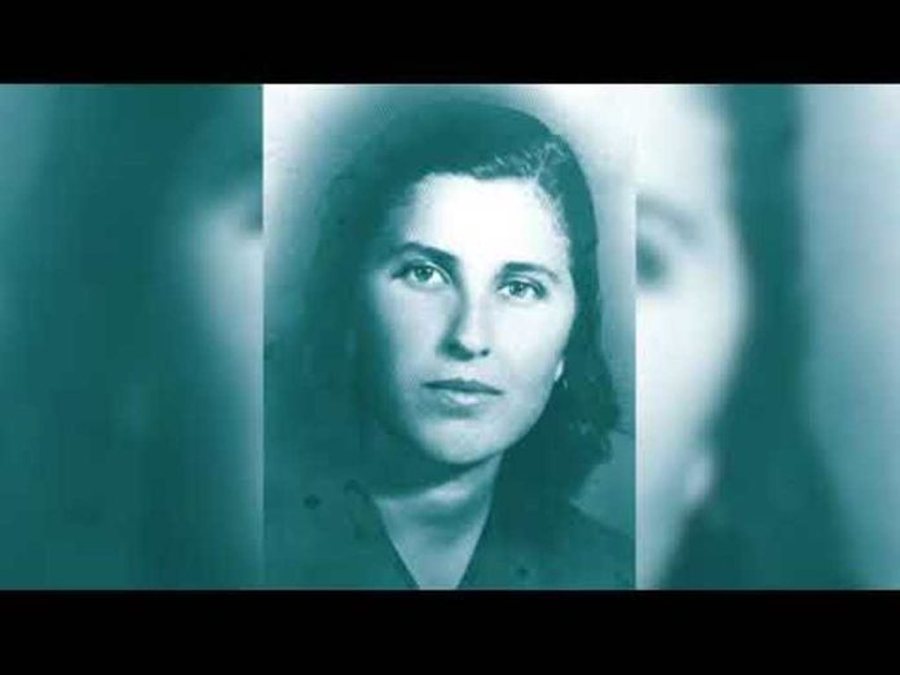
Himara is the province that wakes up first and sleeps last...
When I was browsing my writings about Himara, my memory led me to find a dossier with a theme from Pavllo Gjidede's book entitled: "Memories and documents".
I remember the first meeting with the author who entrusted me with the book. I tried to pretend that I was not interested in the topic of Zaho Koka's murder, I was burdened with memories from my father about Ramize Gjebrena.

Berat was a city where about ten families from Gjirokastria lived, the heads of whose families were connected by work in the administration of the kingdom. As it seems, the custom of those times ruled in approaching each other's families. That's why they had connections with the Gjebreajs, who are members of my family. Then the organization of guerrilla units found mine, Kadri Kotoni in the Tirana unit with Ramize and Nako Spiro. They would be together in actions, and often he would sometimes be her companion and sometimes the courier, because he disguised himself as a pharmacist and knew very well the cities of Shkodër, Elbasan, Vlorë, Berat, Durrës, for the reason that they were points bulk for medicines in the trade of the first cousin, Fadil Kotoni, who after the liberation, although he had melted the wealth for the war, was put in prison. In February, I had heard that that very intelligent girl had been shot without being given a word in the partisan trial, and my father insisted that "if Enver Hoxha's letter had arrived sooner, that tragedy would have been avoided". A punishment even after death, because some people dressed in power were touched if the subject of that high-level anti-fascist fighter was touched. From these emotions that revived in me again, I also met Ramize's brother, Doctor Shpeti, with whom we had an early family friendship.
The doctor received him well and I told the late Pavllo that I have a double obligation for this article and I want to be honest, I wanted to read what was your attitude towards Ramize Gjebre?
I chose a paragraph to start this article:
"The hardest thing in the world is to write a sincere and honest prose about human beings. The greatest tragedy in life is not that people die, but that they stop loving."
This is how Pavllo Gjidede continues:
"Partisan courts have tried many cases during the war and have taken prudent positions; they also forgave people who aggravated their crimes for many reasons and interests, but in this particular case a woman, a Kosovar granddaughter of a
daughter of Laba, who has not committed any crime, but who is coveted, beautiful, knowledgeable, educated, a leader of her generation and proud like the characters of the history of literature. She was afraid to associate with anyone; no longer with a Coast Commissioner like Zaho Koka was the chairman.
At all times, Zaho was openly talked about, while Ramizen was not given the same assessment. "The issue of "Zaho and Ramize", especially Ramize, was left where the comrades had left it, in a village of Vlora, in Ramicë. There were glorifications of both characters. "Who was right, Zaho and Ramizena, or the members of the Partisan Court?"
Further, Pavllo tells the reason that pushed him to deal with this story: "Participating in a meeting with the people who fought in Gjipe on the edge of an area. I was happy to listen to them speak with love about Zaho Koka and less about Ramize Gjebrena. Nonda Baka, around 1968, commissioned me to write the history of Himara province. For years, I researched documents and chronicles of the time. Encounters between wise old men cast down the braggarts. With the materials I collected with Arqile Gjika (Lefter Kasnecin), who came and joined us. Himara is the province that wakes up first and sleeps last.



Lini një Përgjigje