


 Shkruar nga Pamfleti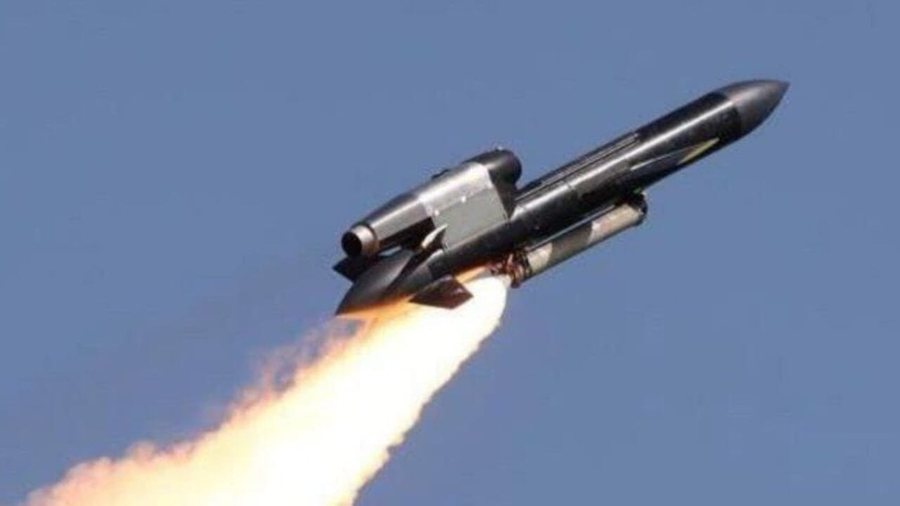
Drone strikes damage refineries and strategic facilities; Russia increases gasoline imports as Kiev seeks to increase cost of war
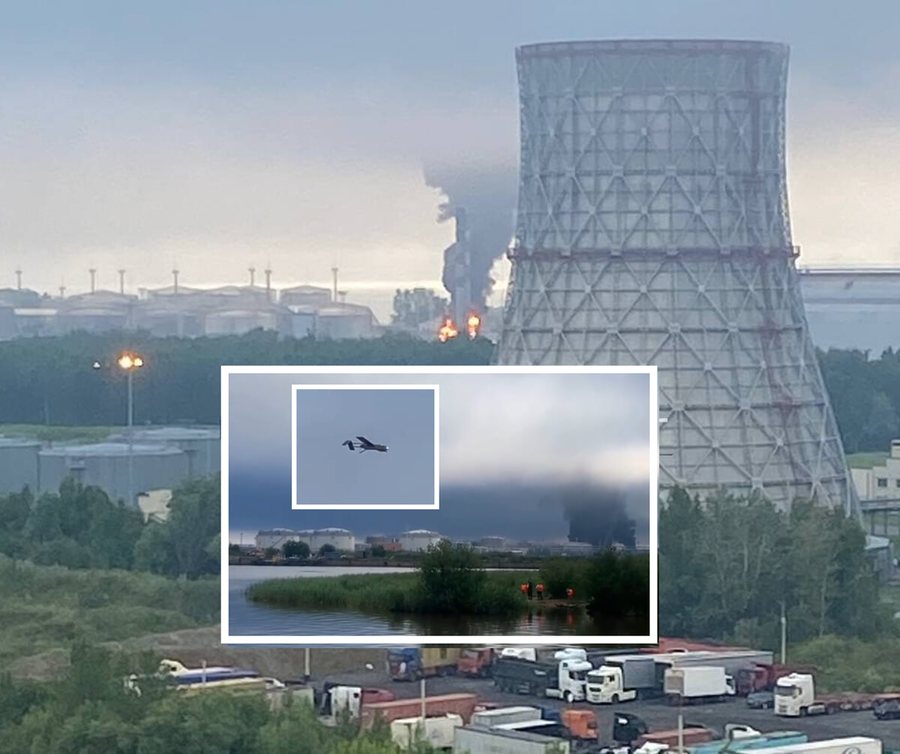
Ukrainian forces have intensified drone attacks on Russia's energy and military infrastructure, striking for the second time an oil terminal in St. Petersburg, about 1,100 kilometers from Kiev-controlled territory. The attack caused large fires, temporarily disrupted some air traffic and damaged one of the main oil terminals in Russia's second-largest city.
According to the Ukrainian Defense Ministry, 11 refineries, seven fuel logistics facilities, and eight military-industrial enterprises were hit in June. The list of targets also includes space communications centers, as well as ships and ferries used for connections with occupied Crimea.
The most visible consequence of these attacks relates to Russia's ability to process crude oil into gasoline, diesel, and jet fuel.
According to Energy Intelligence estimates, cited by the Associated Press, in June the volume of oil processed by Russian refineries fell by 25% compared to the same period in 2025, falling to about 3.95 million barrels per day, the lowest level in more than two decades.
Gasoline production fell by 17%, from 1.03 million to about 850,000 barrels per day. According to Christopher Weafer, executive director of consulting firm Macro-Advisory, about a third of Russia's refining capacity is currently out of service.
Long lines at filling stations, restrictions on fuel purchases and temporary closures of some gas stations have been reported in some Russian regions. At some independent outlets, the price has exceeded 100 rubles per liter.
Russia increases gasoline imports
To cope with the shortages, Moscow has started importing gasoline from India via sea routes.
According to Reuters, at least 60,000 tons have already been shipped, while the Russian government aims to import up to 400,000 tons per month from various countries. Belarus has increased supplies, while the Kremlin has asked Kazakhstan for about 50,000 tons of gasoline. The Russian parliament has also approved fiscal incentives to economically support imports.
The Ukrainian Defense Ministry states that during June, the following were destroyed or damaged: 2,074 artillery systems; 103 tanks; 197 armored vehicles; 60 air defense systems; 12,878 military vehicles and tanker trucks.
These are claims by Ukrainian authorities. Russia does not publish verifiable data on its losses, so these figures cannot be independently confirmed.
Among the most expensive targets hit are the S-300, S-400 and Pantsir anti-aircraft systems in occupied Crimea, the value of which can reach hundreds of millions of dollars, depending on the configuration.
The Russian anti-Kremlin group Black Spark, which Ukrainian authorities say is working with Kiev's special forces, estimates that Russian military equipment worth about $22.3 billion was destroyed or damaged in June, while human losses totaled about 39,300 killed and wounded. These estimates have also not been independently verified.
The "Deep Strike" strategy
According to the Ukrainian Defense Ministry, the campaign, dubbed "Deep Strike," aims to hit not only Russian forces on the front lines, but also infrastructure supporting military operations, including refineries, fuel depots, pumping stations, railways, airports, bridges, and logistical links to Crimea.
According to Kiev, these attacks force Russia to extend supply lines, disperse fuel and ammunition depots, and move air defense systems away from the front line, increasing the costs and difficulties of continuing military operations. / Pamphlet /








Lini një Përgjigje