


 Shkruar nga Pamfleti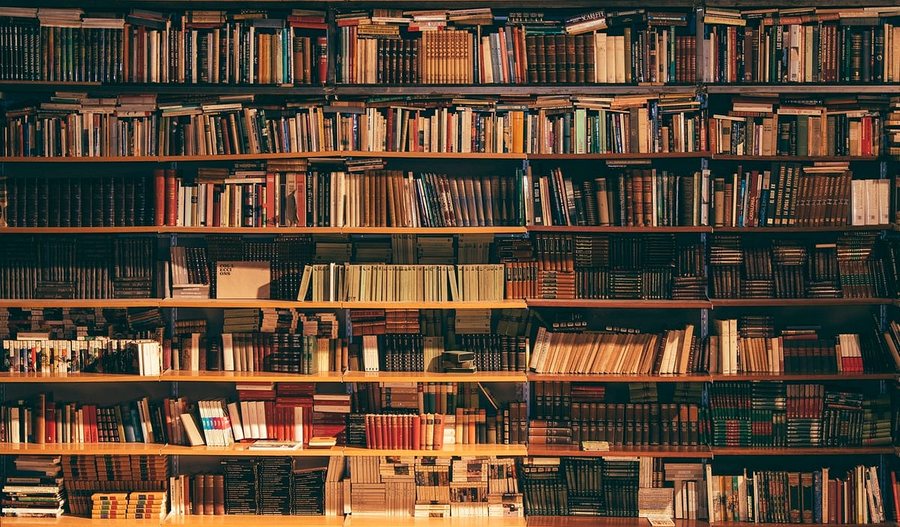
Despite the fact that we live in the age of technology and artificial intelligence, books remain the main nourishment of the mind and soul.
Romance, Fiction, History, Art and Culture, it's always time for books. Despite the fact that we live in the age of technology and artificial intelligence, books remain the main nourishment of the mind and soul.
If you're a fan of the book, these are some of the best titles written in 2024 as chosen by The Economist, and we suggest you take a look.
Biography and memories
The Editor , by Sara Franklin: A book that explains how Publishing Legend Judith Jones shaped the culture in America. Judith Jones edited literary and culinary greats and rescued Anne Frank's diary from a pile of rejected manuscripts. This biography posits that people who shape iconic books often do so invisibly.
"Kingmaker", by Sonia Purnell: A book that reveals the amazing life of seduction, intrigue and power of Pamela Churchill Harriman. A biography of Pamela Churchill, the daughter-in-law of the former Prime Minister of Britain. As "the most powerful courtesan in history," she seduced men during World War II.
"Maurice and Maralyn" , by Sophie Elmhirst. Chatto & Windus: An extraordinary love story, based on a true story, between shipwreck and survival. This book tells the story of a couple stranded at sea for almost four months - and the story of the love that blossomed between them.
"Metamorphoses", by Karolina Watroba: A book about the life of Franz Kafka. Franz Kafka's fame is not only a product of literary excellence. He also had luck, as this study of the writer's afterlife reveals. It traces his metamorphosis from ailing lawyer to global literary icon.
A Way Back , by Christine Blasey Ford: In 2018, Christine Blasey Ford accused Brett Kavanaugh, a Supreme Court nominee, of assaulting her when they were teenagers. Her memoirs in this book show the cost of a step forward.
The Patriot, by Alexei Navalny, translated by Arch Tait and Stephen Dalziel. Alexei Navalny had a clear sense of mission: he wanted to free Russia from the control of a despot. In a moving posthumous memoir, the slain leader chronicles his martyrdom.
The Wild Thing , by Sue Prideaux: The first major biography of Paul Gauguin in three decades. The French artist was affected by "Cancel culture", but this story shows that breaking the norms and his talent were part of the same palette.
Culture and art
All That Glitters , by Orlando Whitfield: A story of friendship, deception and fine art. The book chronicles the rise and fall of Inigo Philbrick, a wheeler-dealer who was convicted of committing the largest art fraud in American history.
The Bookmakers , by Adam Smyth: A History of the Book in 18 Lives. A professor of literature looks across five centuries at 18 people who have shaped books as objects, from printers to the Internet.
"The Invention of Reality TV , " by Emily Nussbaum: A detailed history of reality television, arguing that it is "the first draft of Internet culture."
Capture the Photo by Bianca Bosker: A Mind-Blowing Journey Between Inspired Artists and Obsessive Art Freaks. What makes the art world healthy? A journalist shows the whims of dealers and collectors; her story is written with humor and courage.
Bored, by Ben Yagoda: A book about the British invasion of American English.
"Reading Genesis" by Marilynne Robinson: A close reading of the first book of the Bible.
"Written in Water" by Rochelle Gurstein: The Transient Life of the Classic in Art. Classics of art, literature and music are supposed to have an appeal that lasts throughout the ages.
thrills
"Lake of Creation ," by Rachel Kushner: Sadie Smith, an American agent, goes undercover to infiltrate an environmentalist cult in rural France. At once a raucous thriller, a meditation on human evolution, and a deft journey.
"Empusium" by Olga Tokarczuk: A horror story in a health resort. A young Polish consumer travels for a cure to the mountains of Silesia, meanwhile, in the forest something mysterious stirs everything.
"Fire Out" by Morgan Talty: The shocking story of one man's exile from his community. What makes a culture, the book asks: is it blood, or bonds of love and protection?
Going Home , by Tom Lamont: Three men become responsible for a motherless baby. In an unsentimental evocation of fatherhood and male friendship, this novel explores the glory and sacrifice involved in learning to love.
"Granddaughter" , by Bernhard Schlink: After his wife dies, a bookseller learns about her secret past. Germany's most famous living novelist evokes the divide between East and West Berlin.
Heart in Winter , by Kevin Barry: This slim book is cruel and beautiful, just like its Montana setting. He combines a reverence for the landscape with an awareness of its brutality.
“Kërkohet ndihmë”, nga Adelle Waldman: Punonjësit e një magazine "si biruca" në veri të Nju Jorkut kërcënohen nga punëdhënësit e pangopur, shitësit monopolistë në internet dhe perspektiva e automatizimit.
“Heshtja e Korit”, nga Mohamed Mbougar Sarr: Një përrallë me refugjatë nga Afrika në Siçili, e cila shpaloset me zëra të shumtë dhe një prekje të realizmit magjik.
Histori
“Fronti Lindor”, nga Nick Lloyd: Një profesor i luftës moderne tregon se si Lufta e Parë Botërore e riorganizoi hartën e botës. Analiza e parë e thellë e Frontit Lindor në anglisht në gati 50 vjet.
“Çdo gjë e gjallë”, nga Jason Roberts: Gara e madhe dhe vdekjeprurëse për të njohur gjithë jetën. Historia e një rivaliteti të harruar që i dha formë botës moderne. Carl Linnaeus dhe Georges-Louis de Buffon garuan për të kategorizuar të gjithë jetën.
“Kali”, nga Timothy Winegard: Një histori galopante. Nga anatomia te roli i kuajve në luftën e parë dhe të dytë botërore, ky libër është i mbushur me detaje magjepsëse.
“Si Bota e bëri Perëndimin”, nga Josephine Quinn: Një histori 4000-vjeçare. Edhe adhuruesit me përvojë të historisë do ta shijojnë këtë udhëtim nëpër harkun e historisë evropiane, gjë që tregon se koncepti i "qytetërimit perëndimor" ka qenë gjithmonë i mangët.
“Shpikja e së mirës dhe së keqes”, nga Hanno Sauer: Një histori botërore e moralit. Çfarë i bën njerëzit të mirë, të këqij apo pak nga të dyja? Ky tregim i pasur ndërthur antropologjinë dhe biologjinë evolucionare për të treguar se si ka ndryshuar morali.
“Horizontet mesjetare”, nga Ian Mortimer: Pse ka rëndësi mesjeta. Kush mendon se Mesjeta ishte e gjithë errësirë, ka një kuptim mesatar të historisë. Ky tregim ndriçues tregon se në këtë periudhë kishte më shumë sesa murtaja, bestytni dhe dhuna.
“Reagan” nga Max Boot: Jeta dhe Legjenda e tij. Një komunikues i pashoq dhe një introvert, Presidenti Ronald Reagan ishte një ideolog në retorikë, por një pragmatist në praktikë. Kjo biografi është një studim personazhesh i hulumtuar me kujdes, thellësisht i lexueshëm, i vendosur në një epokë të shkuar të politikës.
Politikë dhe aktualitet
“Autokraci”, nga Anne Applebaum: Diktatorët që duan të drejtojnë botën. Despotët ndajnë një armik: kontrollet mbi pushtetin dhe botën demokratike që i përkrah ata. Ky libër i shkurtër dhe urgjent përshkruan se si të fortët e sotëm kanë krijuar një rrjet mbështetjeje reciproke.
“Lindur për të sunduar”, nga Aaron Reeves dhe Sam Friedman: Krijimi dhe ribërja e Elitës Britanike. Dy akademikë britanikë përshkruajnë se si elitat kanë ndryshuar që nga shekulli i 19-të, duke u bërë më të zgjuara dhe më të mira në paraqitjen e tyre si të zakonshme.
"How do you get rid of a dictator?" , by Keith Hayward: A political scientist mines history for evidence and examines whether the techniques that toppled old despots still work in an age of mass surveillance.
Our Enemies Will Vanish, by Yaroslav Trofimov: A harrowing account of the first months after the Russian invasion of Ukraine in 2022, this presents a vivid picture of how the Ukrainians fought back the blitzkrieg with ingenuity and courage./Pamphlet



Lini një Përgjigje