


 Shkruar nga Gjergj Zefi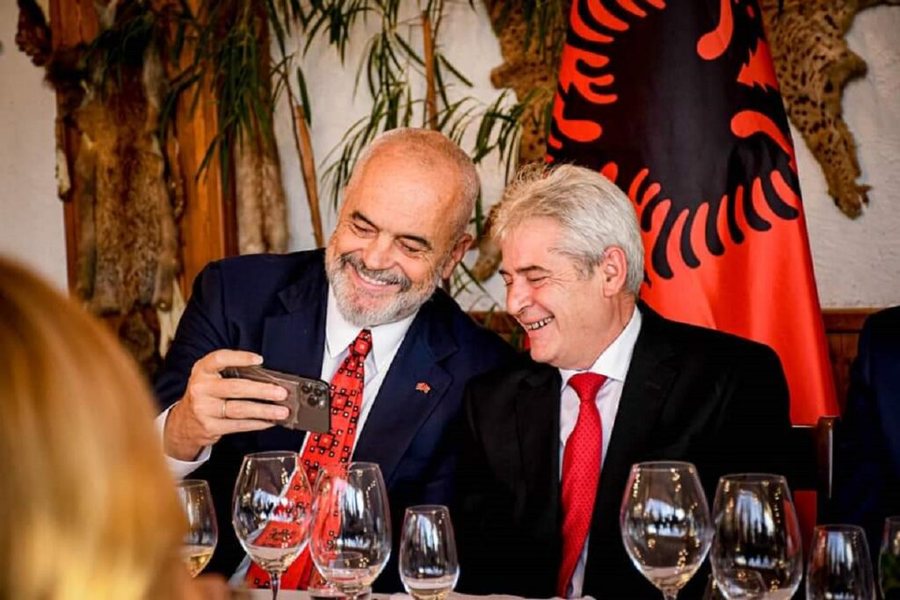
The 2025 local elections shattered the myth of DUI dominance; Albanians in North Macedonia are demanding the end of political monopoly and the beginning of a new era of representation, transparency, and real change…
In the local elections held in North Macedonia in 2025, the Albanian political scene experienced a rare shock, which can be safely called the end of an era. The wide defeat of the Democratic Union for Integration (DUI) and its historic leader, Ali Ahmeti, is not simply an electoral result; it is a symptom of a deep political and social fatigue within the Albanian community in this country. For the first time since the 2000s, Macedonian Albanians are no longer voting for the symbol of the former war, but for concrete change in their daily lives. And this marks a significant transformation, both in the political consciousness of Albanians and in the internal balances of the country.
The Albanian factor has always been the axis of stability in North Macedonia. The Ohrid Agreement, of which Ahmeti was one of the main signatories, gave Albanians a new constitutional and political status. But three decades later, that political capital has been consumed. DUI has entered a phase of stagnation, where control over institutions has become an end in itself and no longer a means to advance the interests of the community. At the local level, Albanian citizens no longer see tangible benefits from Ahmeti’s governance: broken roads, degraded water supply, lack of transparency and party clientelism that has transformed municipalities into strongholds of nepotism. This reality has created a silent revolt, which at the ballot box was translated into rejection.
The 2025 elections marked another innovation: the complete fragmentation of the Albanian political camp. Instead of a unified bloc, Albanians entered the elections divided into several forces: the Democratic Movement, the Alternative, the Besa Movement, the New European Party and other local groups that aimed to overthrow the “green monopoly”. This division, although it undermines the negotiating power of Albanians at the state level, also showed a political evolution: the Albanian voter is no longer hostage to a flag or a historical figure. He demands governance, services, meritocracy and an end to the corruption that has engulfed every structure of the DUI. Ahmeti’s slogan “We are the state” turned into a boomerang; because for citizens who experience the failure of the state every day, this phrase sounds like an admission of guilt, not glory.
The defeat of the DUI in several strong Albanian strongholds, such as Tetovo and Struga, is symbolic. In Tetovo, the city that represents the heart of Albanian politics in Macedonia, voters gave a clear message to the old elite: the failure to keep promises and the arrogance of power are no longer forgiven.
In Struga, another area with a strong Albanian tradition, the defeat came as a result of years of simmering resentment over the unfair distribution of budgets and the lack of direct investment in local communities. In these cities, the voice of Albanian youth has been heard clearly; a generation that has no nostalgia for the war years and that seeks European standards, not past heroes.
Ali Ahmeti has lost the battle not only because of the new opposition, but also because of the times. He remains a historical figure, but a leader linked to an outdated model. In an era where technology, transparency and accountability are basic requirements, DUI is still a party built on closed hierarchies, on personal loyalty and not on merit. This model cannot survive in a society that is rapidly modernizing and that is looking beyond borders. Macedonian Albanians are today a large, educated diaspora with new political standards; they influence opinion, finances and the internal perception of power. This diaspora no longer accepts the rhetoric of the 2000s, and it brought this change to the vote.
This decline of the DUI has direct consequences for the entire political balance of North Macedonia. The partnership with the Macedonian SDSM has been hit at the foundation. If the Albanians fail to maintain strategic unity, their negotiating position in the central government will fade.
On the other hand, Macedonian parties are already seeing the opportunity to take advantage of this gap to remodel the system of ethnic agreements, something that could negatively affect further advancements of the Ohrid Agreement. However, this loss could become a starting point for a healthy revival of Albanian politics in the country, if new parties and intellectuals manage to build a real, clean alternative with a modern European vision.
Macedonian Albanians are no longer passive voters. They have sent a clear signal: loyalty is not bought with a flag, but earned with deeds. Ali Ahmeti and the DUI may remain an important part of the country's political history, but no longer its future. The future belongs to those who will know how to combine identity with progress, representation with integrity, and words with concrete results.
The 2025 local elections, for the first time in three decades, have shown that power is no longer an inheritance, but a test. And this time, the Albanian factor has taken the test differently: by voting against the status quo./ Pamphlet


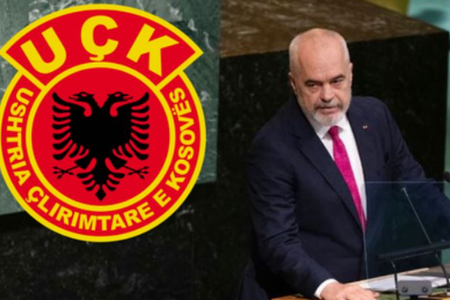

Shqiptarët në Maqedoni jetojnë në trojet e tyre etnike dhe janë faktor stabiliteti në Shtet. Por vetë maqedonasit janë në një krizë identitare. Nga jugu i trysnon dhe ju tregon 'fundin' Greqia me BE. Për 'lindjen' zihen mes vedi, gjysma thonë jemi bullgar, gjysma jemi maqedonas. Po më dëgjuan mua:' "maqedonaso-bullgarët ti bashkohen Bullgarisë. Maqedonasit jo bullgarë dorë për dorë ti bashkangjiten një pjesë Kosovës dhe një pjesë Shqipërisë. Meqë janë daj e nip. Le të provokojë 'Shteti' referendum dhe le të presin rezultatin. Vetvendosja është parim bazë i Lidhjes së Kombeve(OKB). Projekti i pas luftës dytë botërore, "Jugosllavi", dështojë. U finalizua me genocid . BE është e pa aftë dhe as e ka predispozicionin të menazhojë vetveten, lëre më Ballkanin.