


 Shkruar nga Arben Llangozi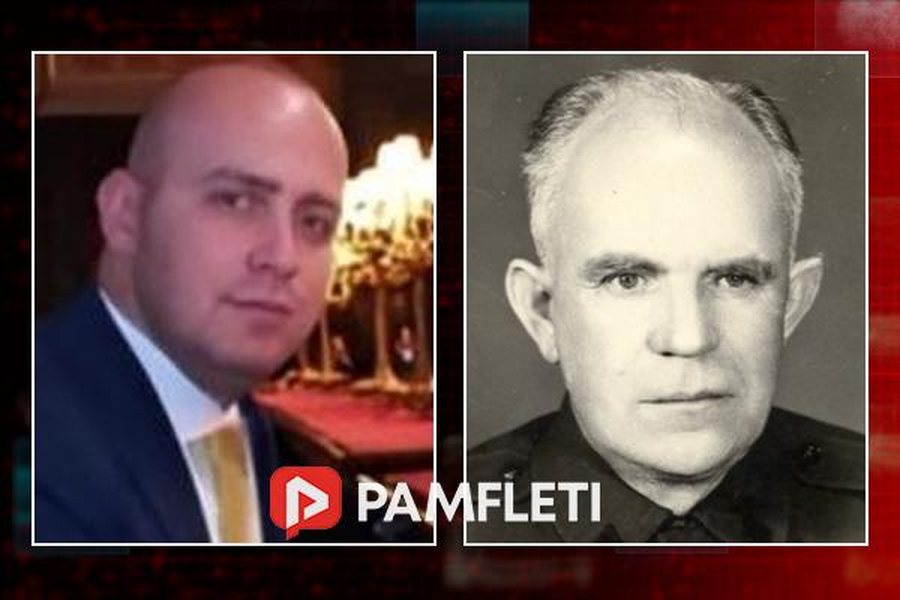
From the physical torture of 1947 to the institutional torture of 2025; only the forms change, but the victims remain defenseless citizens...
The case of Uljan Barjam is the clearest reflection of justice misused from the physical violence of the dictatorship to today's institutional violence.
In the years 1945–1956, Nevzat Haznedari, prosecutor and later general of the Sigurimi, was the symbol of fear. He made no distinction between the guilty and the innocent; his sword fell cruelly on defenseless citizens.
In those years, justice was an instrument of revenge. Ali Selenica, the lawyer who dared to defend an innocent man, was sentenced to life imprisonment and his family was destroyed by state pressure and terror.
Today, in 2025, the form has changed, but the content is the same. Prosecutor Gjergj Ceka and Judge Megi Strakosha do not need a whip or physical torture; they use the system as a means of punishment. The deliberation room, which should have been the temple of justice, has become a stage where revenge is planned and injustice is covered up with the language of the law.
In both times, the victim is the same: the innocent citizen.
Once faced with torture and party-state investigators, today faced with the arrogance, corruption, and bargaining of the system. In the past, the victim was beaten and humiliated; today he or she collides with the wall of a justice system that bears the stamp of political power and hidden interests.
Like Ali Selenica who was imprisoned for his courage, today Uljan Barjami experiences the silent torture of institutions; punishment without guilt, loss of dignity, and the fear that any resistance will turn into revenge.
In both cases, families carry the scars: once with the pain of physical loss, today with the pain of humiliation and injustice.
This bitter parallelism shows that Albanian justice has changed its form, but not its spirit. In 1947, the sword fell on the body of a man. In 2025, the door of the consulting room falls on his dignity.
In the past, executioners wore uniforms, today they wear suits and platoons. But the effect is the same: fear, submission, and the annihilation of hope.
Because when justice is used as a weapon, the victims always remain the same: the innocent./ Pamphlet







Dhoma Kombëtare e Avokatisë, le të bëjë Kallzim Penal në SPAK, ndaj Prokurorit dhe Gjyqtares. Se abandononi ju për disa ditë proçeset kujt po i rruhet? DH.K. Avokatisë, le të paraqesë nisma për ndryshime ligjore në Kodin e Proçedurës Penale, Civile dhe Administrative nëse Prokuror, Gjyqtar, përfitojnë në hetimin apo gjykimin e çështjeve nga lëmshet proçeduriale. Nëse qëllimisht shkelin proçedurat i kallzoni. Nëse nuk ua mban rrini heshtëni. Në perceptimin popullor avokatët shikohen jo si palë në hetimin apo gjykimin e çështjeve për të cilën paguen ,por si ortak me Prokurorë dhe Gjyqtarë. Ka avokatë të rinj kryesisht me integritet moral dhe profesional të cilët po identifikohen nga qytetarët. Pastaj,djemtë, gocat, dhëndërrat, krushkat, mikeshat , e politikanëve, deputetëve, gjyqtarëve, e prokurorëve, të lidhur si 'fishekët në gjerdan' ashtu do veprojnë. Por përgjegjësia është individuale dhe historike. "Mos shiko çfarë bënë Amerika për Ty, por shiko çfarë bënë Ti për Amerikën" i drejtohej Presidenti Amerikan shtetasve të tij. Sot mund të themi: mos shiko se çfarë kanë bërë e po bëjnë sot të tjerët për rrënimin e sistemit të drejtësisë, por shiko ruaj by...ën tënde'.