


 Shkruar nga Andrea Aguilar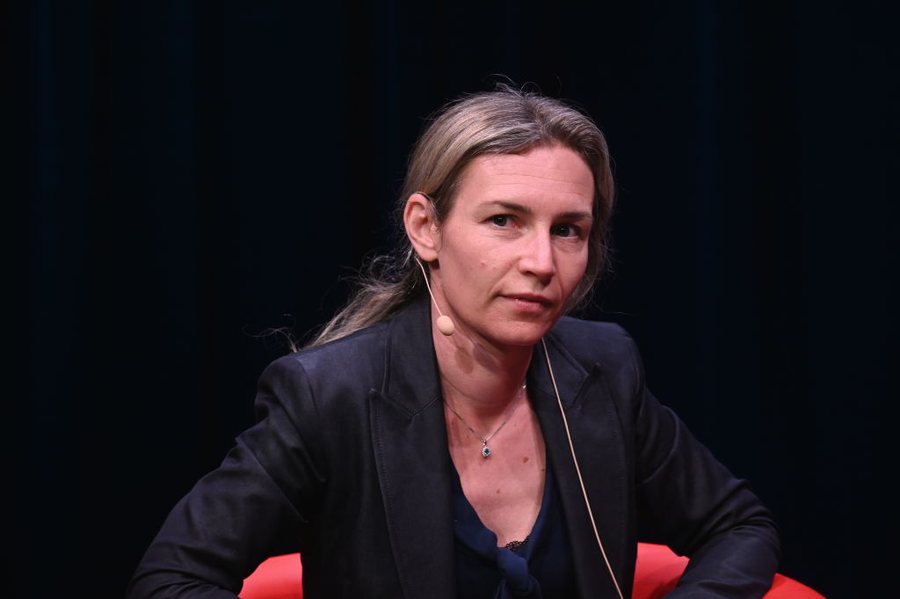
In an interview with "El Pais", Lea Ypi reflects on communism, capitalism and historical memory through the story of her grandparents.
She grew up in communist Albania, which was ruled with an iron fist by Enver Hoxha. At the age of 18, she left and was educated first in Italy and then at Oxford. Today, she is a professor at the London School of Economics.
Lea Ypi (Tirana, Albania, 44 years old) specializes in Marxism and critical theory and has written extensively on the crises and limitations of the capitalist system. Her texts, many of which have been translated internationally, include the book “Fronteras de clase”.
In her first book, “Libre,” the Albanian political scientist recounts her childhood memories to tell her story in the form of a novel-essay, which made her internationally known. The book was translated into more than 30 languages, and the reactions it caused are at the heart of her new book, “Indignidad,” the translation of which has just been released in Spanish bookstores.
Ypi comes from a cosmopolitan family that was persecuted by the communist regime: her grandfather was imprisoned for opposing Hoxha while studying in Paris, where he was placed in a concentration camp at the age of 20. Her grandmother was forced to leave her apartment in Tirana, which was confiscated, and work in an agricultural cooperative to raise her only son, Ypi's father, alone.
In “Indignidad,” documentary history is interwoven with the literary recreation of her grandmother Salomé’s life and her return to Albania. In both the real and the imagined story, reflections on the meaning of memory and dignity resonate on an individual and collective level. “All historical documents are always partial and characters are the sum of several stories, not just what really happened,” she explains in her office at the LSE in London, where the interview took place.
-In Indignidad do you feel more like a researcher or a descendant researching family history?
More as a researcher. I didn't just want to tell the story of my grandmother, but also the story of a woman who lived at the same time and had to deal with everything that happened. I didn't want it to be just the story of a person I knew; that's why I tried to combine history with literature. It allowed me to reflect on the forces and trends of history — things that are often left out of the archives.
-Is this book a way to expand on the explanation that begins in Libre, where you defended a Marxist position despite growing up under Hoxha's regime?
Po, absolutisht. Një nga gjërat që më shqetësonte nga reagimet ndaj Libre ishte ideja se nëse je rritur në Shqipërinë komuniste nuk mund të ishe seriozisht kritik ndaj kapitalizmit. Por përvoja ime është ndryshe. Gjyshi im ishte socialist dhe kur doli nga burgu ishte gjithashtu kritik ndaj sistemit kapitalist. Në rastin e tij dhe të gjyshes sime, çështja ishte se kush e përcakton trashëgiminë e atyre që nuk janë më.
-A shpjegon libri juaj një kritikë të qartë ndaj rolit që pati Britania e Madhe në fatin e Shqipërisë?
Përgjigje: Kjo është ajo që gjeta në arkiva. Sepse kur përpiqesh të kuptosh se çfarë ndodhi me gjyshin tim, kontakti i tij me agjencitë britanike ishte vendimtar për faktin që ai përfundoi në burg.
-Pasi mbaroi studimet në Shqipëri, gjyshi juaj nuk u kthye më. A ishte kjo një mënyrë për të shmangur rikthimin?
Po dhe jo. Kishte edhe lëvizje të mëdha popullsie në atë kohë dhe çështja e përkatësisë ishte shumë komplekse. Njerëzit shpesh detyroheshin të përcaktonin nga ishin, cilën gjuhë flisnin dhe nga vinte familja e tyre. Ai kishte lindur në atë që sot është Maqedonia e Veriut dhe familja e tij ishte nga Greqia.
-Flisni shumë për konceptin e dinjitetit dhe pyesni nëse ai mbijeton te njerëzit.
Përfundimi im është se dinjiteti i një personi mund të rindërtohet përmes letërsisë, sepse ajo lejon shumë perspektiva dhe interpretime. Në një pjesë të madhe të librit, dinjiteti lidhet me mënyrën se si lexojmë dhe kuptojmë të kaluarën.
-A ju ka ndihmuar Indignidad të pajtoheni me historinë?
Është një proces që vazhdon, por më ka ndihmuar të kuptoj pse komunistët erdhën në pushtet në Shqipëri dhe pse regjimi kishte disa karakteristika të caktuara.
-A shkruani sepse nuk ndiheni e qetë? A ka edhe zemërim?
Po, por edhe diçka tjetër. Mendoj se njerëzit shpesh përdorin viktimizimin për të fituar avantazhe të caktuara. Unë nuk u persekutova personalisht; nëse do të thoja se po, kjo do të hiqte vëmendjen nga ajo që pësoi gjyshja ime dhe do të mjegullonte vijën mes viktimës së vërtetë dhe dikujt që përdor statusin e viktimës.
- A duhet të trajtohen padrejtësitë e së kaluarës?
Padrejtësitë historike duhet të trajtohen vetëm nëse ndikojnë në të tashmen. Përndryshe ato janë histori, jo drejtësi. Ka një debat të madh filozofik për këtë.
-Disa kërkojnë të gjejnë “komunistë të mirë”.
Shumë shqiptarë mendojnë se të gjithë komunistët ishin të tmerrshëm. Unë kam kërkuar të tregoj nuancat. Edhe nazisti në libër është i aftë për një gjest human. Kam dashur të shmang bardh e zi, sepse shumë ide dominuese lindin nga trauma.
-Në librin Fronteras de clase ju thoni se kapitalizmi duhet reformuar.
Përgjigje: Problemet e mëdha të shekullit XXI janë kapitalizmi dhe shteti-komb, sepse ato po krijojnë shumë nga konfliktet që po shohim sot. Duhet të jemi radikalë në kritikën tonë — edhe ndaj komunizmit, edhe ndaj kapitalizmit.
-A ka nostalgji për mendimtarët e Lindjes që panë të shembet sistemi ku u rritën?
People can change their lives, but even if they want to preserve capitalism, they have to recognize that in the 1960s and 1970s the forces that built the welfare state were not capitalist. They were movements that mobilized the system to make it more social.
- What was the main criticism of communism?
Answer: Lack of democracy. There were no free elections, no freedom of expression, and no independent press. Without democracy, there is no legitimacy.
- What message do you want to convey with Indignidad?
The lives of people like my grandparents, dedicated to progress and education, and their efforts have no meaning unless they are understood in the context of 20th century history.
At the end of the book, Ypi places a photograph that links to the beginning of the story: an image of the moon taken from a British base in D'Ampezzo in 1941, as war was approaching in Old Europe. One of the British spies who kept in touch with her grandfather had taken that photo. Her historical investigation, Ypi says, still has much to discover.




Interesante faktii qe mediat shqip folese.dhe pamfleti i bejne jehone ideologeve bolshevike sataniste ...... shqiperia dhe kombi shqipetare nuk kane nevoje per satanizem por per dashuri dhembshuri dhe deshire per te ndertuar Atdheun tone shqiperine . Adhuruesja e satanizmit le ti jape leksionet e saja aty ku eshte ne Angli se eshte ne shtepine e saj.
Kjo vajze eshte shume inteligjente e tregon me vertetesi realitetin. Natyrish qe eshte shkolluar ne Oxford ku ka liberalizem e ballafaqim idesh. Patjeter qe duhet ta dije historine e Marksit me Engelsin qe punuan bashke re Kapitalin. Kur u botua Marksi i dha Engelsit kopjen e pare e pasi Engelsi e lexoi Marksi e pyeti, si tu duk. It's OK, but is for humans. Si qenie qe e kemi origjinen nga nje qelizoret e me tej nga kafshet nuk jemi bere njerez (humans) akoma e prandaj qe eshte teori teper e avancuar. Ne 1997en me thote nje djale Shqiptar, kam pare nje librari qe shiteshin librat e Enver Hoxhes. U cudita e i thashe ku eshte, ketu afer me tha. Me shume per tu bindur se dukej si djale budalle insistova ta shohim. Vajtem hyme brenda e ishte nje salle rreth 15m x 10m. mund te ishin 3/4 vepra te Enverit e te tjerat me Lenin,e te tjere. Si duket duhet t'i kishin marre kur u permbys ne Shqiperi sistemi shkuar. Fola pak me ate plakun e kishte qene edhe ne Kongresin e 8te. Kur i thashe qe si i lejojne keto libra te shiten kur keto te mesojne si t'i perdredhesh koken Mbreterise, nuk i erdhi mire e nuk u ndje me. Kane vertet liri fjale bota, por te rrasin brenda po te flasesh mbrapsh per monarkun e shtetin, dmth nuk i meshojne gojes shume.
Fshati digjet, ku..a krihet! Dil nga librat, zbrit ne tokë. Dil ne teren, mblidh popullin dhe largo Ramutët e Salehët.