


 Shkruar nga Mark Almond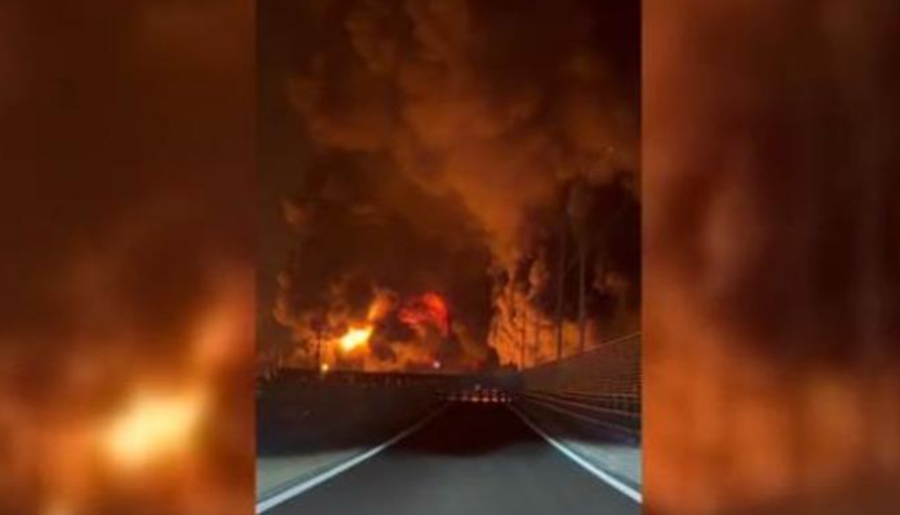
Washington may hope that airstrikes and overwhelming force will bring Tehran to its knees. But history suggests that wars between democracies and ideological regimes rarely end so cleanly…
The apocalyptic scenes captured by dashcams as drivers in Tehran witnessed and then tried to escape the aftermath of US and Israeli airstrikes on oil infrastructure in the Iranian capital will remain etched in the memory of people, both there and around the world.
The terrifying nature of the Iranian regime should not blind us to the civilian costs of precision airstrikes. War is not a video game, even if Donald Trump is acting as if it were.
The latest escalation of the air war on Iran - extending from military targets to the deliberate paralysis of the civilian economy - is being carried out by two democracies. The aim is now not only to cripple the regime's armed forces, but also the paramilitary machinery through which it exercises aggression abroad and repression at home.
Winston Churchill once said: “Democracy is more vindictive than governments. The wars of the people will be more terrible than those of kings.” Joseph Goebbels called for “total war,” but it was the British Royal Air Force (RAF) that put it into practice.
The ayatollahs may cry “Death to America and Israel!” but it is the democracies that have developed far more powerful weapons of destruction. And because their leaders are elected, they often use them with the terrifying self-righteousness that comes from the belief that their intentions must be good.
The aspiration to bring democracy and freedom to Iran is not an evil wish. However, the freedom released by a B-1 bomber is rarely a welcome gift. Americans like to say that after 1945, the Allied occupation nurtured democracy in West Germany and Japan.
This is true, but it is also off-topic, because Nazi Germany and Imperial Japan had attacked the US, and their peoples recognized that their regimes' aggression had brought them a catastrophic defeat.
Being attacked by a democracy armed with the best of intentions and the worst of weapons is no more likely to spark an uprising in the streets of Tehran than Saddam Hussein's invasion of Iran 18 months after the founding of the Islamic Republic.
Historia e hershme e regjimit është shumë udhëzuese. Në janar 1980, Republika e re Islamike u trondit nga opozita pas trazirave të vitit 1979. Arratisja e Shahut nuk solli një tranzicion të qetë drejt autokracisë së Khomeinit. Përkundrazi, ishte pushtimi irakian ai që i bashkoi iranianët rreth tij dhe i lejoi mullahët të shtypnin brutalisht disidencën në emër të mbijetesës kombëtare.
Ka të ngjarë që Donald Trump të ketë besuar se regjimi i Iranit do të mbetet i tmerruar nga humbja e Udhëheqësit Suprem dhe e shumë bashkëpunëtorëve të tij të ngushtë në çastet e para të luftës, dhe se rezistenca do të shtypej e do të cilësohej e kotë.
Por, edhe në opsionin “autopilot”, Gardat Revolucionare të Iranit nisën kundërsulmin e tyre, duke goditur jo vetëm interesat amerikane, por edhe aleatët e Gjirit, prej të cilëve Perëndimi varet për energji.
Rritja e çmimeve të energjisë, siç ndodhi pas fillimit të pushtimit të Ukrainës nga Rusia 4 vjet më parë, është diçka pozitive për ekonominë amerikane. Metoda e re e nxjerrjes së naftës e ka bërë SHBA-në një eksportues energjie.
Por pasojat globale mund të jenë të thella. Ndikimi i sanksioneve mbi eksportet ruse mund të duket i papërfillshëm përballë efekteve të kombinuara të sulmeve SHBA-Izrael mbi sektorin energjetik të Iranit, sulmeve të tij me dronë ndaj fqinjëve në Gji dhe mbylljes së Ngushticës së Hormuzit për trafikun e cisternave.
Aleatët e Amerikës, nga Europa në Lindjen e Largët, tashmë pas një jave lufte po e ndjejnë dhimbjen ekonomike. Uashingtoni duket se ka pritur që sulmet spektakolare ajrore amerikane dhe izraelite do ta bënin Iranin të dorëzohej.
Ajo për të cilën duket se nuk ka menduar është vullneti i Iranit për të sakrifikuar marrëdhëniet me shtetet e Gjirit, me qëllim që të shtrëngojë ekonomitë perëndimore (jashtë SHBA-së) për të kërkuar një paqe kompromisi.
Donald Trump ka bërë thirrje për “dorëzim pa kushte” të Iranit dhe e ka etiketuar si të papranueshëm Ajatollahun e ri, Mojtaba Khamenei. Megjithatë, ai duket ngurrues për të bërë atë që bëri SHBA-ja në vitin 1945 për të siguruar dorëzimin pa kushte: pushtimin e territorit të armikut.
Sepse të dërgosh këmbësorinë në terren do të thotë arkivole të shumtë me trupa ushtarësh.
Në një vit zgjedhor, një konflikt i zgjatur mund të nënkuptojë katastrofë politike për Partinë Republikane. Siç e di shumë mirë Trumpi, amerikanët e duan fituesin.
Kjo është arsyeja pse ai vazhdimisht e portretizon veten si të tillë, ndërsa i etiketon si “humbës” kundërshtarët e tij, brenda dhe jashtë vendit. Por nëse regjimi në Teheran arrin të mbahet pavarësisht humbjeve masive - siç bëri gjatë luftës brutale të viteve 1980 - atëherë kostot politike mund të rriten shpejt.
Një elektorat i frustruar, barra e një “lufte të pafundme” që Trump dikur u zotua se nuk do ta niste kurrë, dhe një ngadalësim ekonomik midis aleatëve perëndimorë që reduktojnë importet nga SHBA, mund të kthehen kundër Uashingtonit.
Declaring victory and trumpeting the damage done to Iran may prove much more difficult than some Trump supporters imagine. Both Iran and Israel have reasons to continue the war.
Iran will demand an end to Israeli and American airstrikes. Israel will fear giving its most implacable enemy time to rebuild for the next round of conflict, where American support may not be guaranteed.
Unlike World War II, this is not a matter of life and death for America. But it is an existential struggle for the mullahs. The question now is whether they can emulate North Vietnam: survive American bombing and consume American will to continue engaging in a war far from their own.
Churchill once warned that war is inherently unpredictable. Donald Trump can change the scenarios, but he cannot control events. / Pamphlet from “The Independent”


Lini një Përgjigje