


 Shkruar nga Shairee Malhotra
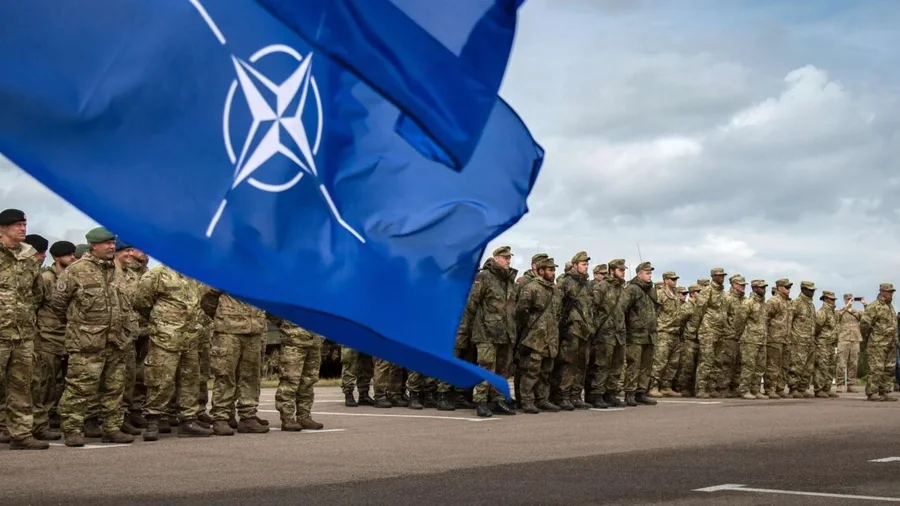
Many in Europe fear that the post will become a consolation trophy, in the framework of the great competition for the most influential roles at the head of the EU institutions. These concerns are accompanied by a greater fear of a possible victory of Trump in the US, as his disdain for NATO is already known, accompanied by threats of a withdrawal from the alliance...
For a decade, since 2014, former Norwegian Prime Minister Jens Stoltenberg has held the post of Secretary General of NATO. As it had already been extended 3 times before, even last year, it was decided that his mandate would be extended by one more year, until October of this year.
This highlighted the difficulties and lack of consensus within NATO on appointing a successor. No longer "in a coma," as French President Emmanuel Macron once referred to the alliance, Russia's war against Ukraine has given NATO a reason to renew itself.
Throughout this period, Stoltenberg has maintained the alliance's unity and built consensus in its response to Russia. As the face of NATO, the Secretary General's role is very important even though he has less executive power.
Like the European Union, NATO operates by consensus, and decisions require the approval of all member states. Therefore, the presence in it of disruptive countries such as Hungary and Turkey complicates decision-making quite a bit. Thus, a potential candidate must be able to build consensus among the 31 member states, manage their demands, communicate, address their concerns and manage a large bureaucracy.
With ongoing war fatigue, domestic political obligations and distracting developments such as the Israel-Hamas war, this post is important to ensure continued military support for Ukraine and project power around the world. Meanwhile, the new head of the alliance would take office at a very critical moment.
While the alliance has expanded from a founding 12 countries in 1949 to 31 currently with the possible accession of Sweden in the near future, such is the extent and nature of the threats.
While the war against Russia remains its core task, security ties in what were previously considered separate theaters — the Euro-Atlantic and Indo-Pacific — have expanded ambition to include areas such as the South China Sea. Furthermore, emerging technologies, disinformation campaigns and the increasingly weaponized use of commercial addictions are creating a new era of crises.
Many candidates, no consensus
Muajt e fundit në skenë janë shfaqur disa emra për këtë post, së bashku me një listë të gjatë kriteresh dhe preferencash. Meqë të gjithë shefat e mëparshëm kanë qenë burra, këtë herë preferohet që këtë post ta marrë një grua.
Vendet në Evropën Qendrore dhe Lindore kanë qenë në ballë të mbështetjen e Ukrainës, nëpërmjet paralajmërimeve të tyre ndaj Rusisë që u dëshmuan të sakta. Për këtë arsye, shumë njerëz po kërkojnë një shef të NATO-s nga ky rajon. Në këtë kontekst, është përfolur shumë emri i kryeministres estoneze Kaja Kallas, vendi i së cilës shpenzoi në vitin 2023, 2.85 për qind të Prodhimit të Brendshëm Bruto për shpenzimet ushtarake.
Rekordi i vendit nga vjen kandidati mbi shpenzimet në mbrojtje, është një faktor i rëndësishëm në këtë përzgjedhje, sidomos pasi vetëm 8 nga 31 anëtarë të aleancës e përmbushin aktualisht objektivin prej 2 për qind të PBB-së për shpenzimet e mbrojtjes, të dakorduar që në samitin e NATO-s së vitit 2014 në Skoci.
Megjithatë, zyrtarët në Evropën Perëndimore mund ta cilësojnë si shumë të ashpër qasjen e vendit baltik ndaj Rusisë, që nuk dëshiron të krijojë një marrëdhënie të ardhshme me Moskën. Kryeministrja daneze, Mette Frederiksen, i përshtatet një pjese të kritereve përmes mbështetjes së saj të fortë të aleancës, por jo si mbështetëse shumë e madhe ndaj Ukrainës.
Por shpenzimet ushtarake të Danimarkës në 1.38 për qind të PBB-së, janë shumë poshtë nivelit që kërkon NATO. Dhe në kushtet kur ish-kryeministri Anders Fogh Rasmussen ka qenë Sekretar i Përgjithshëm në vitet 2009-2014, mundësia e një danezi tjetër (apo e një lideri tjetër nga vendet nordike pas Stoltenberg) në krye të NATO është shumë e vogël.
Një grua tjetër e cilësuar si pretendente për këtë post, është zëvendëskryeministrja e Kanadasë dhe ish-Ministrja e Jashtme Chrystia Freehand, e cila e ka mbështetur me vendosmëri Ukrainën, dhe është në listën e individëve që u ndalohet hyrja në Rusi.
Por Kanadaja mbetet prapa me nivelin e shpenzimeve në mbrojtjes, dhe si një kandidat jo anëtar i BE-së, do të përballej ndoshta me veton e Francës dhe vendeve të tjera. Kjo duke pasur parasysh se 22 nga 31 anëtarët e NATO-s janë vende të BE-së, dhe Stoltenberg ka ardhur nga një vend jo anëtar i BE-së.
Për këtë arsye, edhe pse Britania pas Brexit, është ndër mbështetëset kryesore të Kievit dhe po përmbush objektivin e shpenzimeve në mbrojtje siç e kërkon NATO, kandidatura e ish-Sekretarit britanik të Mbrojtjes Ben Wallace po përballet me jo pak rezistencë.
Dhe kjo na sjell tek një kandidaturë e preferuar në mesin e shumë vëzhguesve, asaj të presidentes së Komisionit Evropian Ursula von der Leyen, për shkak të përvojës së saj të madhe në krijimin e konsensusit në nivelin e BE-së për çështjet më të rëndësishme, përfshirë mbështetjen ndaj Ukrainës.
However, her home country of Germany, despite its status as Europe's leading economic power, lags far behind in defense spending, and her previous tenure as Defense Minister proved unpopular due to allegations of nepotism.
Moreover, it remains to be seen whether or not Von der Leyen will aim for another term as EC president, a much more powerful position than that of NATO Secretary General. One of the main favorites for this post is the former Prime Minister of the Netherlands
Mark Rutte, with close ties to the US, and 13 years of experience as prime minister until the November 2023 parliamentary elections.
However, other NATO members may not agree with his candidacy, this time in the interest of regional diversity, as NATO has already had 3 previous Dutch heads. Moreover, despite having donated quite a bit of aid and weapons to Ukraine, his country's meager defense spending - just 1.7 percent of GDP - is against Rutte's candidacy.
The selection is more complicated this year, due to the European Parliament and US presidential elections. Thus, despite some possible candidates for the head of NATO, most meet some criteria but not others. In addition, it is not even clear whether some of these alleged candidates are interested or available for the post.
Many in Europe fear that the post will become a consolation trophy, in the context of the great competition for the most influential roles at the head of the EU institutions. These concerns are accompanied by a greater fear of a possible Trump victory in the US, as his disdain for NATO is already known, accompanied by threats of a withdrawal from the alliance.
Given the influence of the US as the permanent holder of the Supreme Allied Command Europe (SACEUR) role, the NATO chief needs Washington's approval, and to be able to balance close transatlantic ties.
With the constant expansion of the number of threats, and the fact that the war on the European continent is continuing, the member countries of NATO must make a decisive choice./ Adapted Pamphlet "Observer Research Foundation"


Lini një Përgjigje