


 Shkruar nga Pamfleti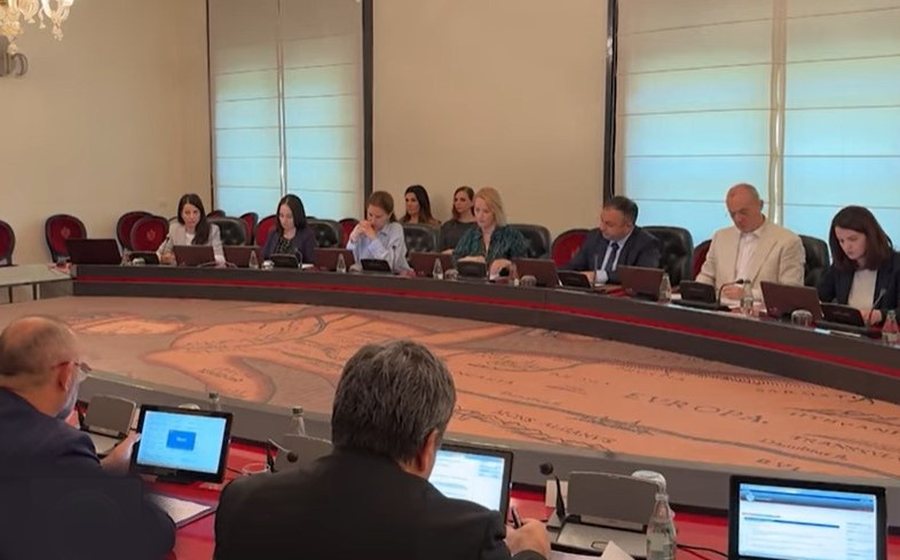
Prime Minister Edi Rama will put an end to the anxiety about the new government on Thursday. There are many dilemmas about who is leaving and who is coming. Many names are circulating, but "Pamphlet" asked 'ChatGPT', who, by analyzing the work of the ministers, has shown his version of the new government.
Chat GPT response
Edi Rama's new government will be presented on Thursday, and the atmosphere in the Socialist Party is fraught with rumors and backstage intrigue. The Prime Minister has signaled that "no minister has a safe place," creating internal tension and keeping speculation alive about the names that will survive.
There are two logics at play: Rama needs to retain some strong figures for stability, but also to bring in new faces who serve as a message of renewal to the public and to Brussels. Voices within the SP admit that “90% of the cabinet can change,” but a limited number of ministers remain favored to remain.
Who can survive?
- Belinda Balluku (Infrastructure and Energy); the most exposed and loyal figure to Rama. She has managed major projects and is often referred to as the prime minister's "right-hand man". She is very likely to remain in the government, even if in a different portfolio.
-Igli Hasani (Foreign Affairs); at a time when European integration is an absolute priority, Tirana cannot risk diplomacy. Hasani is seen as a balanced and technical name, acceptable even to international partners.
-Petrit Malaj (Minister of Finance) A new name that comes with a strong financial profile and experience in the public and banking sectors. He took office in July 2024, and his role is key in budgetary stability and negotiations with international partners
-Ulsi Manja (Justice); a delicate portfolio, linked to justice reform and relations with SPAK. His departure would be read as the wrong political signal.
Who is at greater risk?
Ministers with poor public performance or exposed to minor scandals seem defenseless. Rama knows how to use rotation as a "political sacrifice" to cover up government failures. Those who have remained in the shadows, without achieving concrete results, are closer to the list of dismissals.
New arrivals
Rama does not have the luxury of bringing in many "old names", because public opinion is tired of recycling. He usually follows two lines when making changes:
Technicians/experts who are sold as “politically neutral” – Rama uses them to give the idea that he is introducing professionals into the cabinet. These are usually academics, managers of large institutions, people with international experience. Typical examples are Igli Hasani or Majlinda Dhuka. In a new government, we may again see figures from the OSCE, the World Bank, or some university professor with a public profile.
New political figures who serve the SP's propaganda – Rama often brings in new and unknown ministers, who he then uses as an image for renewal. This includes names from the local SP (young people who have grown up within the party), who do not have much weight but serve to maintain discipline.
Women in politics – Rama has built an international profile as a leader who supports gender balance. Each of his governments has had a high percentage of women ministers, not only for image, but also to have more manageable figures within. It is very likely that we will see at least 2–3 new female names.
Businessmen/technocrats in government – Rama occasionally brings in people from the economic administration, public company boards, or sectors where the SP has great influence. This guarantees him control over the economy and tenders.
So, the profile of new names that can be entered is:
One or two internationally recognized experts (on integration or economics).
One or two local SP figures who proclaim themselves as the "voice of the youth".
2–3 women with media profiles, who sell the cabinet as modern and balanced.
A technocrat linked to economics or energy to maintain confidence in the markets.
/Pamphlet


Lini një Përgjigje