


 Shkruar nga Pamfleti
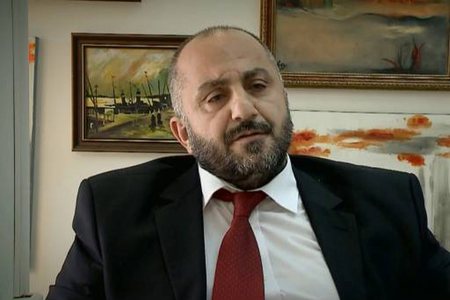
Expert Krenar Loloçi recommends the Assembly to take measures to implement the decision of the Constitutional Court...
The Council of Legislation announced the next meeting on Tuesday to hear the opinion of the expert Krenar Loloçi on the decisions of the Constitutional Court, after this court annulled as unconstitutional two decisions of the Assembly to block the submission to this court of the motion for incompatibility of the mandate for the Minister of Works of Foreign Affairs, Olta Xhaçka.
In the announcement that was distributed to the deputies on Monday afternoon, the agenda foresees the presentation of the opinion of the expert contracted by the Assembly and the setting of a deadline for the Council to draw up the report on the implementation of the decisions of the Constitutional Court.
Divided into two groups, the opposition MPs made two different demands for the removal of Xhaçka's mandate, after her husband, former Socialist MP Artan Gaçi, was declared a strategic investor and by government decision was given the right to use the coasts in The dirt.
After the majority voted against sending the incompatibility of the mandate to the Constitutional Court, both groups of the Democratic Party addressed separate requests to this court.
The court decided to accept the request of 1/10 of the deputies and returned the case to the Assembly, calling the decision of the majority blocking the sending of the case to the Constitutional Court unconstitutional.
In the next decision, the Constitutional Court dismissed the request of 1/5 of the MPs who requested the fundamental treatment of the case and the making of a decision on the incompatibility of the mandate, not legitimizing it as a subject that moves the court on this issue.
Analyzing these two decisions, the constitutionalist expert in his written opinion for the Council of Legislation, which is available from BIRN, concludes that the decisions are binding for the Assembly and in this case, the motion of 1/10 of the deputies should be sent to this court, as it is the only body that examines the incompatibility of the mandate of the deputy.
Responding to MP Gazment Bardhi's question, if the parliamentary majority decides not to implement the decision of the CJK and rejects the request of 1/10 of the deputies again, Loloçi briefly reasons that: "The decision of the CJC is binding and the Assembly must take the measures implement it, as it has done before when the CJK has issued a decision ".
Meanwhile, Loloçi considers the second decision of the Constitutional Court that rejects the request of 1/5 of the deputies to examine the case on its merits as contrary to the constitutional norms and the practice of this court itself.
" In my opinion and that of some other constitutional experts, including the members of the CJK who have expressed their opinions in the minority opinions in the decisions of the CJC, such a position of the CJK is not fair and well-founded, and the CJK may begs to return to this position in the future for several reasons ," writes Loloçi, suggesting a clarification of the constitutional norms by the legislator.
He adds that, in the analysis of all the decisions taken by the CJK, "we did not find even a paragraph where it is argued why the CJK ignores the constitutional right of 1/5 of the deputies to set the CJK in motion (articles 131, point 1 (e), and 134, pia 1(c), of the Constitution), as well as why this constitutional right cannot be implemented".
Po ashtu, eksperti beson se në formulimet që janë bërë në vendimet e fundit të Kushtetueses kanë legjitimuar një subjekt të ri me të drejtën për të vënë në lëvizje këtë gjykatë, që është 1/10 e deputetëve, duke iu kundërvënë sipas tij edhe praktikës së saj të mëparshme.
“Ky qëndrim i GJK, në fakt, mund të konsiderohet sui generis, pasi, ndoshta për herë të parë, GJK bazohet jo në një normë procedurale kushtetuese për të legjitimuar një subjekt që t'i drejtohet asaj, por në një argument!” shkruan ai, duke e cilësuar këtë qëndrim të GJK si hyrje në “një territor që nuk i takon”.
Në përgjigje të pyetjeve të deputetes socialiste Klotilda Bushka nëse zbatimi i këtyre vendimeve sjell nevojën për ndryshime në ligje të posaçme apo në rregulloren e Kuvendit, eksperti përgjigjet se zbatimi i tyre nuk varet nga kjo.
“Rregulli është që shqyrtimi i një çështjeje nga GJK ose zbatimi i detyrueshëm i vendimeve të GJK nuk mund të lidhet e as të varet nga nevoja që mund të shtrohet para një organi për të bërë shtesa dhe plotësime të akteve të brendshme të tij, qoftë ky edhe Kuvendi i Shqipërisë. E thënë kjo, sigurisht, Kuvendi është i lirë të bëjë ndryshime, shtesa ose plotësime ligjore që i shikon të përshtatshme për të rregulluar marrëdhënie ose situata të caktuara,” përgjigjet ai.
Loloçi analizon dhe kompetencat për vendimmarrje për mandatin e deputetit, sipas pikës 3 dhe pikës 2 të nenit 70, pasi pika 2 sugjeron që është Kuvendi që vendos në rastet kur papajtueshmëria lidhet me konfliktit të interesave. Sipas ekspertit, nuk mund t'i lihet një shumice politike, cilado qoftë ajo, që të vendosë për mandatin e një prej anëtarëve të saj.
Ai vlerëson faktin që vendimi i fundit i Gjykatës Kushtetuese në këtë rast kërkon nga Kuvendi që t'i lihet kësaj gjykate për të vendosur nëse shqyrtimi i papajtueshmërisë është i natyrës kushtetuese ose jo.
The motion for Xhaçka's mandate started in the middle of last year when the opposition, among 1/10 of the deputies, initiated a motion for the incompatibility of her mandate. The decision-making remained hostage to the procrastination with procedures for several months in the Council of Mandates until November, when the Assembly with the votes of the SP overturned the report of the minority and forced it to turn to the Constitutional Court for resolution of powers between the Assembly and the right of 1/10 of the deputies. / BIRN





Lini një Përgjigje