


 Shkruar nga Pamfleti
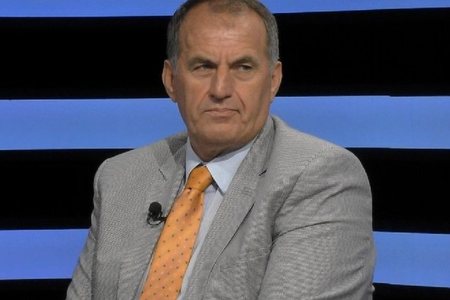
The former SP MP analyzes the risks of a prolonged government without effective checks and balances. Arben Malaj talks about the real challenges that will determine the success or failure of this mandate, from reforms to institutional consolidation and the lost trust of citizens. However, the former minister reminds the government not to touch the red lines, especially regarding media freedom, separation, balance and control of powers. Arben Malaj says: “The main challenge is: will we move towards a functional democracy, or towards a growing autocracy?”
-Mr. Malaj, Edi Rama will govern for the next 4 years. Do you believe that the Prime Minister will offer something different from previous mandates…?
Regarding the governance model, no major changes are expected. Regarding the government's challenges, they are clear after three mandates. The focus on European integration and reforms, including constitutional ones, emphasized in the Socialist Party Assembly, will clarify the determination to achieve them at all costs, or even the space for contributions outside the government and interaction with the European Union to guarantee that red lines are not touched, especially regarding media freedom, as well as the separation, balance and control of powers.
The main challenge is: will we move towards a functioning democracy, or towards a growing autocracy?
-What are your expectations from the new government? Will it have the symptoms of the past, the lack of dialogue, arrogance, abuse of power, avoidance of accountability...?
Potential risks exist. The presentation at the SP Assembly made it clear that these risks are recognized and presented some ideas to reduce them. The challenge remains: will we have a fourth mandate with more power, but also with more responsibility? This essentially requires good governance, co-governance, transparency and accountability.
Given your long experience in the previous socialist government, as well as being an important contributor within the left, do you think that the changes in the government were made more to strengthen political control?
There is a current trend in politics that prime ministers or presidents in presidential governments are relying more on loyal people. The public profile of ministers and MPs is reduced. Rama has complete political control over the SP and the government, and this, as much as it is something good for him individually, may have negative risks for the governance of the country. With this number of mandates in power and with this majority in the new parliament, the biggest risk is the euphoria of great power, long personal mandates. The SP is increasingly promoting young people.
How do you see the competition between the “old” and the “young” in the Socialist Party today? Are we dealing with a “clash” of generations…? I do not believe that there is a strong competition. It is also weak due to the fact that the entire policy of selection, promotion and exclusion of every political mandated person, on both sides of it, is focused on the party leaders. In the face of this concentrated and absolute power, there are very few risks of a “clash” of generations within political parties. Their fate, promotion and active longevity for both the old and the young, are determined by the personal preferences and assessments of the party leaders. This harms internal democracy, kills the inspiration for public engagement and contribution and harms the political credibility not only of individuals, but also of politics as a whole.
-Is the entry of new generations, the prospect for change, and the inclusion of people who are not "worn-out politicians" developing or harming the SP?
The concept of “consumed” should not be seen as a birthday issue. Generations must be harmonized, they do not exclude each other. In the dynamics of transition, public political profiles are created, which are consolidated due to performance and public evaluation. These individuals constitute the core that maximizes harmony between generations. Young people bring positive synergies, have ambitions, but are not vaccinated against the risk of corruption or abuse of power. Therefore, from their beginnings in politics, they must be invested in high integrity and maximum commitment to fulfilling the mandate and public trust. In Albanian political parties, there are no structured groups of young or old; everything remains in the hands of the chairmen
-How do you see the opposition facing a majority that is governing the country for the fourth time?
It would be negative not only for the opposition, but also for democracy in the country, for the opposition in its fourth mandate to rely solely on aggression. Aggression is not the weapon with which the opposition can become larger, more imposing or more influential. The militants deserve respect, but they are insufficient to rebuild the opposition as a larger force and even less as a winner. Its opening, the increase in support not only from members, but also from right-wingers, their engagement in every cell of the opposition reorganization – starting with the DP – is necessary, because even the time for electoral confrontations, even partial ones, is relatively short and difficult in the face of a majority with four winning mandates. The opposition grows when the hope for victory grows. The lack of consecutive victories feeds passivity and hinders its resurgence. The fragmentation of the right remains an obstacle with negative and not hopeful consequences.
-What should the opposition do to guarantee parliamentary control over the government?
Opozita do ta ketë më të vështirë se në tri mandatet e para kontrollin parlamentar, nëse ndryshimet në rregullore do të bëhen pa marrë parasysh qëndrimet e saj. Ajo mund t’i përdorë më mirë seancat plenare, me një strategji të re, si edhe interpelancat. Ndërsa për komisionet hetimore, duket se hapësirat e saj do të ngushtohen dhe ky është debat deri kushtetues. Opozita ka një faktor që mund ta përdorë pozitivisht: duke qenë forcë proevropiane, shqetësimet dhe propozimet e saj alternative për reformat, deri kushtetuese, të mazhorancës duhet të gjejnë mbështetje në draft-vlerësimet dhe kushtëzimet e Bashkimit Evropian. Por kjo kërkon një qasje tjetër në aktivitetin e saj politik brenda vendit. Kërkohet kalimi nga një opozitë bllokuese dhe agresive ndaj institucioneve, në një opozitë konkurruese dhe sfiduese.
-Pse pikërisht tani Edi Rama hedh idenë e shkurtimit të numrit të deputetëve deri në 101, pasi kjo është kërkuar vite me radhë dhe ai e ka refuzuar, por tashmë i bashkohet opinionit kritik?
Mandati i katërt është për Edi Ramën mundësi për të krijuar profilin e një shtetari, jo thjesht të një politikani fitues. Duke ndërmarrë reforma deri kushtetuese, që ristrukturojnë formën e qeverisjes së vendit, duke ndërtuar një administratë publike joklienteliste, por thellësisht profesionale, duke rrëzuar barrierat dhe duke krijuar barazi mundësish për çdo individ dhe biznes, duke synuar përdorimin e Inteligjencës Artificiale në luftën kundër korrupsionit dhe ide të tjera specifike – Rama është në garë me kohën për trashëgiminë e tij në tranzicionin shqiptar. Çfarë instrumentesh, ligjesh mendoni se nevojiten për të parandaluar ligjet “me porosi” dhe vendimmarrjen arbitrare? Cili është rreziku potencial? Mundësitë janë të pakta. Mazhoranca vjen pas tri mandatesh, ku ekziston rreziku i vazhdimit të influencave për ligje të tilla.
-A do të reduktohen këto kërkesa pas tri mandatesh, apo do të bëhen edhe më influencuese?
Ky është një rrezik potencial jo i vogël, aq më shumë kur këto ligje deformojnë dhe zvogëlojnë konkurrencën, apo përqendrojnë fuqinë ekonomike në pak individë dhe kompani. Kujdes duhet sidomos për Partneritetet PublikePrivate, koncesionet me pasuritë natyrore dhe projektet në sektorët strategjikë të zhvillimit.
-Kryeministri paralajmëroi zgjedhje të reja në Tiranë për pasuesin e Erion Veliajt në bashki. A ka njolla ligjore në këtë rast?
Është një betejë ligjore, që ka nevojë për analizë të së drejtës kushtetuese dhe penale. Por, në përgjithësi, duhet të çtensionojmë politikën shqiptare nga mosrespektimi i parimit universal të prezumimit të pafajësisë, derisa një vendim i dy shkallëve gjyqësore të shpallë fajtor çdo qytetar, përfshi edhe politikanët. Mendoj se duhet të orientohemi drejt një politike penale që lufton korrupsionin, por respekton këtë parim kushtetues. Përvojat ndërkombëtare janë në favor të këtij parimi: ish-presidenti i Brazilit u dënua me 27 vite, por u përball i lirë me gjykatat; i njëjti model vlejti për Sarkozy-n, Berluskonin dhe shumë politikanë të tjerë. Rasti Veliajt pas gjykimit deri në Gjykatën Kushtetuese dhe Gjykatën Europiane të Drejtave të Njeriut mund të krijojë premisat për precedentë pozitivë në qoftë se fiton parimi i prezumimit të pafajësisë, ose mund të kthehet në një risk akoma më të madh për luftën politike. Rishikimi i Kodit Penal është një mundësi që profesionalisht të qartësohet dhe të forcohet parimi i prezumimit të pafajësisë në Kodin Penal dhe në kuadër ligjore pasuese.
-Sipas jush, eksperienca e Ogerta Manastirliut në shëndetësi dhe arsim a e bën atë një kandidate të fortë për kryetare bashkie, apo do të marrë rrezikun politik, efektin “Veliaj”…?
Çdo garë ka një rrezik politik. Strukturat e PS-së në Tiranë e njohin dhe e respektojnë Ogertën, çka është një premisë pozitive. Po ashtu, ajo i njeh strukturat e PS-së në Tiranë dhe kjo është një pikënisje e mirë për të maksimizuar angazhimin e tyre për fitoren. Disa shpresojnë se efekti “Veliaj” mund të krijojë disa pasoja jo pozitive në unifikimin e ekipit elektoral.
Vlerësoj se kjo nuk do të jetë në kufij që të dëmtojë rezultatin. Përgjithësisht, kur nuk ka grupe publike kundër, ose kur ato nuk përfaqësojnë një alternativë të re konkurruese, ato mbeten fragile dhe pa ndikim vendimtar. Ogerta është një kandidate e fortë, por edhe nëse opozita mbetet e fragmentuar, fitorja kërkon një përkushtim maksimal nga i gjithë ekipi politik i Tiranës.
-Cilat janë tri prioritetet kryesore që qeveria e re duhet të fokusohet menjëherë pas marrjes së detyrës?
Integrimi evropian mbetet prioriteti kryesor dhe ka arritje pozitive, çka lehtëson negocimin e kapitujve të tjerë. BE-ja është një forcë inspiruese dhe mundësitë për anëtarësim janë rritur edhe për shkak të zhvillimeve gjeopolitike. Por reformat strukturore duhet të bëhen me përgjegjësinë e efekteve të tyre reale në ambientin ekonomik, social dhe politik të vendit. Ambienti, në të gjitha dimensionet e tij, duhet të jetë një prioritet i rëndësishëm, aq më tepër kur edhe për shumë vite turizmi do të mbetet sektor kyç për ekonominë tonë.
Another major challenge to stop emigration is social cohesion policies, which should help increase the benefits of economic growth for both the middle and poor classes, but also for rural areas, where well-thought-out and well-implemented public policies can discourage population departure. /Gazeta Panorama



Lini një Përgjigje