


 Shkruar nga Pamfleti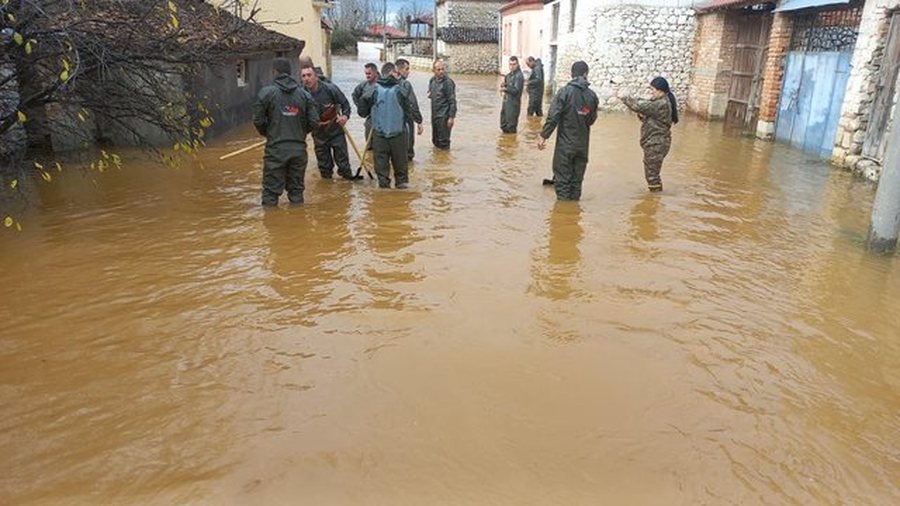
Intense rainfall, dangerous river rises and major material damage in several regions; authorities on the ground as investigations continue into the loss of life of a 54-year-old man in Durrës...
The floods of these days are not a meteorological surprise. They are a stressful test for a country that has known for years that it is not ready. The Institute of Geosciences warned in time of intense rainfall, high flows in Drin-Buna, Mat, Shkumbi and Vjosa, as well as increased risk of flooding in key regions such as Vlora, Durrës, Shkodra, Lezha and Fier. The warning was technical, clear and public. The institutional response was, as usual, delayed and fragmented.
Durrës received 44.6 mm of rain in 24 hours, with an extreme intensity of 23 mm in just 15 minutes. High figures, but not unprecedented. Meteorologists themselves recall that the city has faced up to 180 mm of rain in 24 hours in the past. The problem is not the amount of rainfall, but the chronic lack of functional drainage channels and an urban system that can no longer withstand even an average storm.
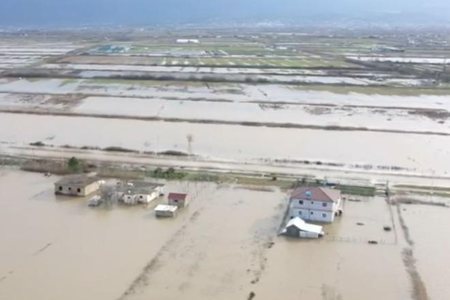
The consequences were immediately visible: around 800 homes and buildings were flooded in Durrës, hundreds of people were evacuated, while main roads turned into water channels. In Shkodër and Lezha, thousands of hectares of agricultural land were flooded, water surrounded homes and landslides blocked important roads. In Vlora, the Vjosa exceeded the critical level, flooded hundreds of hectares of land and flooded dozens of houses, forcing evacuations for people and livestock. In Fier, Berat, Korçë, Gjirokastër and Dibër, the same scenario was repeated: water, isolation, power outages, material damage.
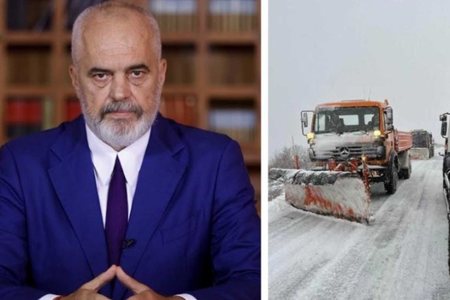
Institutions reacted with the Armed Forces, the police, pumps, snowplows and calls for caution. A necessary reaction, but always after the fact. What is missing is not emergency commitment, but long-term prevention. Albania does not flood because it rains, but because urban and rural infrastructure is not designed, maintained and protected for the climate reality that is now known.
Embankments burst, canals are covered by construction, streams overflow, rivers narrow due to concreting, and sewer networks are overwhelmed in the first minutes of intense rainfall. These are not the consequences of extreme weather, but of poor planning, fragmented investments, and a development model that has ignored hydrological risk.
The Durrës victim, found drowned in a drainage canal, is the stark reminder that floods are not simply an economic or aesthetic problem. They are a matter of life. And every time floods recur, it becomes clearer that the problem is not a lack of foresight, but a lack of responsibility.
The rains will continue. The floods will repeat. The question is whether the state will still behave as if these are “unforeseen events,” or will it admit that the floods in Albania are now a structured failure of public governance./ Pamphlet




Lini një Përgjigje