


 Shkruar nga Pamfleti
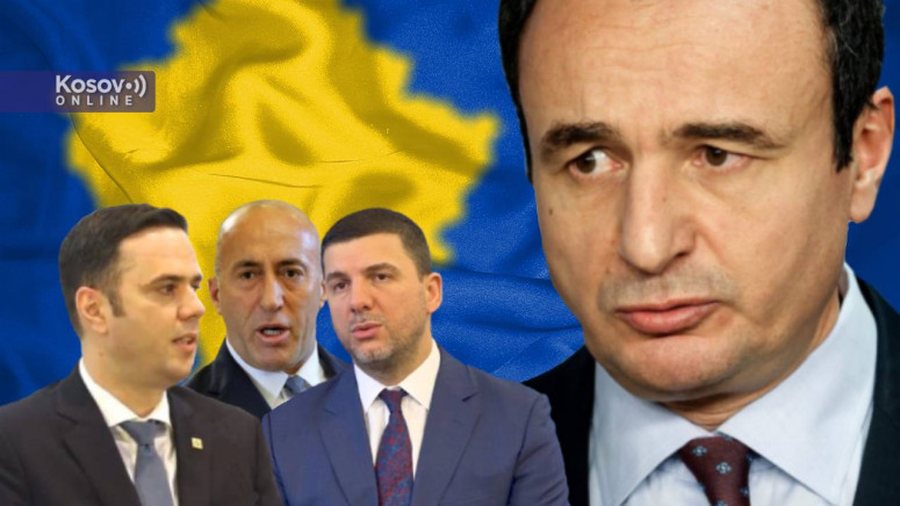
This time, over two million voters in Kosovo and the diaspora will best evaluate the government's results so far and the promises and projects of the opposition and will make the sovereign decision on who will lead Kosovo in the next four years...
What they said or did in the pre-election rallies, with the halls full and full of promises, is no longer news. It is not a problem to fill a hall in Kosovo, with cheering sympathizers, half-blindly, as the lights are turned on by the leaders and candidates.
The darkness fills the gaps and makes it possible for electoral noise professionals to do work for several other entities and in different places.
What distinguishes this campaign from others is that the party that once challenged the government on the streets is now in government, while the ununited opposition did not choose the road to protest, but chose parliament and the electorate as instruments to return to power.
While in the last elections only Vetvendosja was an unknown party for the citizens, a party which had no chance to show how it knows, wants and can govern, now it too stands measurable, comparable, before the citizens with the results of the governance of her, with real failures or those attributed to her by the opposition, with real or imaginary successes as commented by the opposition.
However, the sharpened sword of anti-corruption and the fight against crime is not as sharp as it used to be, nor does the threat seem so real, since the results of this war do not seem very tangible, especially since the government was in an (undeclared) war with the justice system.
According to the opposition, the government has not excelled in foreign policy either, at least not as much as it had promised in the past campaigns, it did not excel in establishing order in the north, despite tangible results as a result of the extension of greater control there. through the police and customs, after the "Serbian List" was withdrawn from the institutions of Kosovo.
The determination shown in the face of the Serbian extremists, however, has created a greater trust in the citizens in the police and the Kosovo Army, and everyone tries to benefit from this by promising them bigger salaries.
The return of the "Serbian List" to the competition, with the decision of the Supreme Court, is presented as a challenge not only for the current government, relativizing the results of the policy so far, but it will also be a challenge for the opposition to make this Serbian party, close to the President of Serbia, to be a true Kosovar party and to aim for the integration of Serbs in society.
As a left-wing government, turned away from the protection of vulnerable social classes, almost "naturally", it did not shine in its relationship with businesses, apart from sporadic successes in attracting diaspora capital.
There was strong criticism of the government, especially from powerful local businesses and parties, for its approach to the public sector of the economy and services, or for favoring companies close to the Government in public tenders.
Although several affairs and suspicions of corruption were raised, even though the justice system was clearly distanced from the Government, still the poor results and the powerlessness of the opposition to denounce the eventual corruption of the government, comes mainly from the stories of the corruption of the opposition while they were in power or the close connections with businesses which are known for political corruption affairs and benefits from public enterprises during party governance; PDK, LDK or AAK. Even more, leaders of the non-united opposition have been seen at the table together with businesses accused of corruption and connections with large Serbian public and private businesses.
The promises of the parties this time are more pragmatic even though the rhetoric about the nation, the state, the liberation war or the peaceful war has been preserved, thus preserving the old trenches of the war between the political forces.
Although not used much in the opening rallies, in the campaign, however, in each party there is a predominance of confusion about changes in US and Western politics in general, and most likely this will not be commented on until after January 20 when it will be shift in the White House.
It is also claimed that there are fundamental differences regarding the concepts and plans for the division of Kosovo, the territorial exchanges which VV calls "piece by piece" and which are attributed to the former head of PDK and former President Thaçi, as well as the declared plan of Vetevendosje that Kosovo to make it unique, "Cep m Cep", through the empowerment of the police and the army as this party claims. The Vetëvendosje policy is considered by the opposition as anti-American and warmongering even though the officials of this party consider themselves pro-American, pro-Western and European.
Spears are expected to be broken about investments as much as about the fight against corruption. While Prime Minister Kurti focused on investments of one billion euros in production, investments in industry and military infrastructure; The Democratic Party focused on investments and subsidies, with fiscal facilities and easier access to finance for businesses, opening new jobs, increasing wages in the private sector through increased support for businesses with grants, etc.
Meanwhile, LDK promised investments in infrastructure and services, promised partnership with private businesses. LDK promised that a new hospital worth 500 million euros will be built.
"Për të gjithë qytetarët që bredhin për shërim nëpër botë, për të gjitha familjet këtu në Kosovë, do të ndërtojmë spitalin e ri të Kosovës me plot 500 milionë euro investim në të. Shpallën gjithashtu planin për ndërtimin e një centrali të ri të energjisë me gaz amerikan.
Të gjithë premtuan rritje pagash, shëndetësi të avancuar, investime në sport e kulturë.
Ndërkohë që Qeveria, Vetvendosja pra, duke pasur përparësinë që është në pushtet, tashmë ka bërë rritje pagash, pensionesh, mbështetje për kategoritë e dala nga lufta; PDK nga opozita premton se "Në muajt e parë të qeverisjes sime, pagat do t’i rris për 50 për qind. Përveç pagave, 70 për qind do t’i rrisë pensionet bazike, do të rrisë edhe pensionet kontributdhënëse të cilat do të përshkallëzohen sipas viteve të punës. Premtoi se do t’i rrisë me 50 për qind përfitimet për familjet e dëshmorëve, për invalidët e luftës dhe veteranët e UÇK-së.
"Që në javën e parë dhe asnjë javë më shumë, të gjithë shërbyesve publikë, të gjithë mësuesve, mjekëve, policëve, zjarrfikësve, ushtarëve, të gjithë punëtorëve të shtetit do t’ua rrisim pagat me koeficient 150. Koeficienti 150 që në javën e parë është zotimi ynë publik," ka thënë lideri aktual i PDK-së.
LDK premtoi se do të themelojë Ministrinë e Familjes dhe përmes saj do të kujdeset për të porsalindurit për një vit, do të hapë 80 çerdhe të reja dhe do të organizojë mësim ditor për nxënësit.
Premtoi që Kosova të ketë mbi 10 mijë policë, me polici në bashki, polic në secilën lagje e vend në Kosovë, qendrën më të madhe sportive në Bërnicë, 5 stadiume rajonale të kategorisë tre dhe katër të UEFA-s, që do të ndërtohen në Pejë, Prizren, Ferizaj, Gjilan e Gjakovë, se në Brezovicë dhe Pejë do të ndërtohen dy komplekset më të mëdha turistike sportive. Premtoi teatrin e Operas dhe Baletit, Teatrin e ri Kombëtar, Muzeun e Paqes dhe Rezistencës dhe Muzeun e Artit Bashkëkohor.
Sidoqoftë këto ishin premtimet e para dhe jo të gjitha partitë kanë filluar me intensitet dhe kapacitet të njëjtë. Përderisa LDK, PDK dhe AAK startuan në kryeqytet më fuqishëm, VV startoi nga Gjakova, jo me intensitet të plotë, duke e lënë opozitën të qëllojë me “argumentet” e kalibrit më të madh. Përse e ka bërë këtë, mbetet të shohim përgjatë fushatës, nëse ishte ky kapaciteti i plotë i saj, apo ishte vetëm taktikë, për të hedhur në fund premtimet e saj kyçe.
Pasi fushata do të jetë e gjatë, pritet që shpalosja e kandidatëve dhe programeve, promovimi i tyre të jetë më i balancuar përgjatë saj, duke ruajtur apo përmbledhur në fund pikat më të forta dhe kritikat më të forta për kundërshtarët.
This time, over two million voters in Kosovo and the diaspora will best evaluate the government's results so far and the promises and projects of the opposition and will make the sovereign decision on who will lead Kosovo in the next four years. There are also external factors interested in influencing the course of the campaign and maybe even the final result, but so far it seems that the CEC has the situation under control and international monitoring will make the actors pay attention and the citizens believe in the process ./ Pamphlet


Lini një Përgjigje