


 Shkruar nga Sadri Ramabaja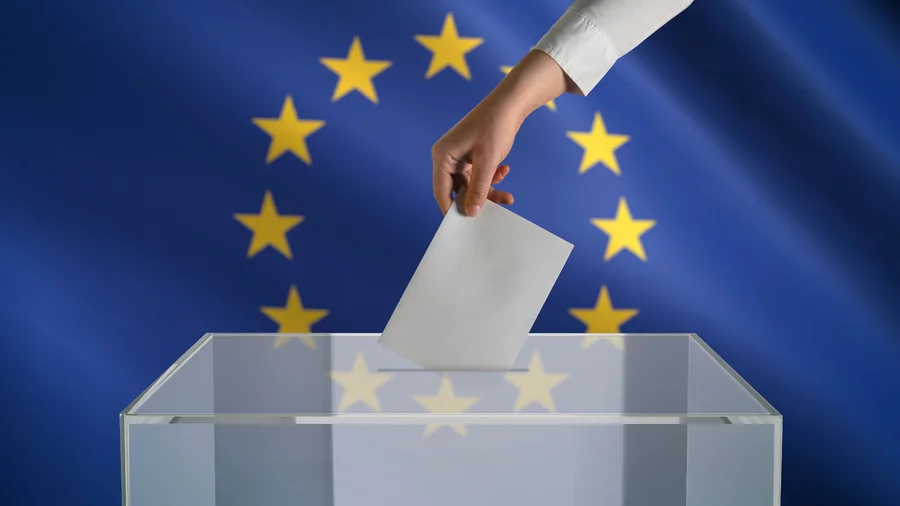
The next EU Parliament will determine whether Europe is cohesive in its policies or whether it will quickly move towards disintegration...
In the European Union, the elections for the Temple of Democracy began on June 6 and will continue until this coming Sunday - June 9, 2024. There are three hundred and fifty million European citizens with the right to vote in 27 EU member states who will determine which direction united Europe will take after Sunday. Despite the weight of these elections for the future of the EU, the political parties that are based exclusively on national interests, the participation of citizens for choosing with their vote the only organization that they can do directly, continues to be very small. 720 members of the European Parliament will be elected, who will then elect the head of the European Commission - a kind of "government" of united Europe.
The basic principles of the electoral law for the EU are defined by the Law on Direct Elections. In separate articles of this law, it is categorically stated that the elections for the European Parliament take place "generally, directly, freely and secretly" and that the elected representatives "are not bound by orders or instructions". Within the political corpus of the EU Parliament, political groupings of different political forces have been created over time based on their political and ideological platforms. Pan-European, respectively transnational political factions were created on this occasion.
The European Parliament consists of seven political groups: the Group of the European People's Party (EPP), the Group of the Progressive Alliance of Socialists and Democrats in the European Parliament (S&D), the European Renewal Group (Liberals), the Group of the Greens/European Free Alliance , the Group of European Conservatives and Reformists, the Group of Identity and Democracy and the Left Group in the European Parliament – GUE/NGL.
Despite this, as in any national Parliament, even in this one of the EU, parliamentarians can sit in parliament without a faction.
The "best candidate" principle has been applied to EU elections since 2014. This means that parties nominate top candidates who have previously been confirmed by an internal party election process. Those main candidates then go to the EP election campaign as party candidates. The candidate with the most votes is nominated by the party groups for the highest positions in the EU. For the grouping of the European People's Parties, which is currently the largest grouping in the Parliament, which currently has the President of the Commission, Ursula von der Leyen, competes again as the main candidate.
Por ky fakt nuk përkthehet automatikisht në mundësi që kandidati kryesor të propozohet si kandidat për kryetar të KE pas zgjedhjeve. Kjo nuk ndodhë zakonisht, meqë nuk është Parlamenti Evropian ai që propozon një kandidat për President të Komisionit, por Këshilli Evropian, që në këtë rast përfaqësohet nga qeveritë nacionale. Në zgjedhjet e fundit, Manfred Weber, fituesi i zgjedhjeve nuk u kandidua për kryesues të KE, por Ursula von der Leyen.
Në këtë legjislaturë zgjedhore për PE është hera e parë që qytetaërt gjermanë, belg, maltez dhe austriak që kanë mbushur 16 vjet, do të mund të votojnë. Ulja e pragut të moshës së votimit do të zgjeronte grupin e votuesve me të drejtë vote, duke rritur kështu legjitimitetin e zgjedhjeve dhe të përfaqësuesve të zgjedhur, pasi ata do të zgjidheshin nga një elektorat më i gjerë.
Parashikimet sidoqoftë tregojnë se e djathta ekstreme do të forcohet dhe njerëzit e thjeshtë, socialistët dhe liberalët do të dobësohen.
Fashizmi modern dhe sirenat e Homerit
Në kontinentin e vjetër ka luftë. Ukraina ka hy në vitin e tretë që po bën luftë titanike për mbijetesë si shtet dhe si komb. Ajo gëzon një lloj mbështetje nga BE-ja shumë më të përqëndruar ngasa gëzonte në fillet e saj, por gjithësesi jo në përmasat që do ta bënte palë fituese në një të ardhme të afërt. Ky fakt dhe përgjithësisht ndryshimet në rrafshin gjeopolitikë që imponoi agresioni rus mbi Ukrainën, ka rikthyer gjeopolitikën dhe interesat nacionale në qendër të vëmendjes.
Disa parti të ekstremit të djathtë janë të lidhura me Rusinë dhe ndikimin rus. Historikisht, ishin partitë e majta ato që kishin lidhje me Moskën, por në klimën aktuale politike, është e djathta ekstreme ajo që po koketon me Putinin.
Le të shohim se ku është BE-ja sot. Situata është serioze, BE-ja është sipas të gjitha gjasave ndodhet në një fazë vendimtare të historisë së saj 70-vjeçare. Gjerësia dhe ashpërsia e krizave, sfidave dhe përmbysjeve me të cilat përballet është e paprecedentë”, shkruan Dr. Malte Tim Zabel nga Universiteti i Bonit, duke argumentuar se forcimi i së djathtës evropiane do të ndryshojë marrëdhëniet politike në Kontinentin e Vjetër.
“Viti 2024 përfaqëson një test të rëndësishëm për demokracitë. Në vitin me numrin më të madh të zgjedhjeve në histori (më shumë se 60 vende dhe një e katërta e popullsisë së botës të thirrur në votime), Parlamenti i ri Evropian do të zgjidhet gjithashtu midis 6 dhe 9 qershorit. Këto zgjedhje po zhvillohen në një kohë kur demokracia vihet në pikëpyetje në shumë pjesë të botës. Në Bashkimin Evropian, sfidat ndaj sistemeve demokratike vijnë si nga jashtë ashtu edhe nga brenda, nga vetë shtetet anëtare dhe këto ndeshtrasha shpesh janë të ndërlidhura”, thotë Franco Manfredi, profesor nga Roma.
Një paralele tepër me interes tërheq një qytetare spanjolle, kur flet për të ardhmen e BE-së. Sipas saj
sfid më e madhe e qytetaërve europian sërish është fashizmi modern që na shpërfaqet I veshur me petkun e populizmit modern. Por a do ët duhej që qytetaërt europian të magjepsen nga tingujt magjeps të këngës së sirenës e veshur me këtë petk të fashizmit modern?
Sipas saj, në poemën e Homerit, dinakëria dhe heroizmi i Odiseut e shpëtoi atë nga vetëshkatërrimi. Nëse projekti europian i paqes bazohet në integrimin e njerëzve të ndryshëm dhe unitetin në diversitet, ndoshta heroizmi i kohës sonë reflektohet në faktin që çdo qytetar europian shkon në zgjedhje, duke marrë përsipër këtë përgjegjësi epike, beson spanjollja Renata Zilli.
Sllogani i goditur “Përdor zërin” duket se ka qëlluar në shenjë. Deri më tani, sipas Eurobarometrit të fundit, 71 për qind e evropianëve synojnë të shfrytëzojnë të drejtën e tyre qytetare pr të votuar, thotë Emilio Ordiz, korrespondent i “20 Minutes” nga Brukseli.
Zhgënjimi me BE-në evident
“Aderimi në BE 20 vjet më parë për Slloveninë nënkuptonte përkushtim ndaj vlerave të përbashkëta, rendit ligjor dhe përgjegjësisë së përbashkët për zhvillimin e përbashkët, por sot gjithçka duket krejtësisht ndryshe”, mendon Lojze Peterle, një anëtare e vjetër e Parlamentit Evropian nga Sllovenia. “Sot ne jemi më pak evropianë, më të ndarë dhe të korruptuar, me më pak gëzim në jetë dhe ndjenjën e komunitetit. Nuk e kemi përfunduar tranzicionin demokratik, nuk mund t'i varrosim ende të vdekurit, e lëre më të pajtohemi me të vërtetën për të kaluarën. Sot kemi përshtypjen se jemi më afër konfliktit sesa bashkëjetesës”.
Brukseli është problemi më i madh, sipas Dr. Žiga Turk. “Ne kemi Titanic në të cilin orkestra luan këngë për tranzicionin e gjelbër, për multikulturalizmin, për perandorinë evropiane të një prone të vetme, për më shumë Evropë dhe më shumë demokraci. ...Dhe nëse nuk e pyesim veten seriozisht nëse do të ketë ndryshime pas zgjedhjeve të këtij viti, ne jemi vetëm pjesë e asaj orkestre dhe pjesë e lojës së asaj që po ndodh në plan të parë, ndërsa në sfond gjërat shkojnë në rrugën e tyre. “, është qëndrimi i ish-ministrit slloven.
Të pakënaqur me trendet brenda BE-së duket s ejanë edhe shtresa e qytetarëve që BE-në e konceptojnë si bashkim vullnetar politik I bazuar në vlerat e demokracisë liberale dhe të civilizimit perendimor, të krishter.
Në këtë kontekst, jo vetëm në Portugali, por gjithandej në BE kishat bëjnë thirrje që trendi të përmbyset dhe të sigurohet një pjesëmarrje sa më e gjerë e qytetarëve në procesin e vendimmarrjes dhe menaxhimit të çështjeve evropiane.
Shih për këtë, këto zgjedhje, bazuar në rrethanat që ka imponuar lufta në Ukrainë dhe zgjedhjet e nëntorit në Amerikë, kan sjellë votuesin europian në fushëzonën mes interesave aktuale gjeopolitike dhe gjeostrategjike, që janë përcaktuese për të ardhmen e BE-së.
Psqyra e përfaqësimit në PE
Përbërja e re e Parlamentit Evropian do të përfshijë përfaqësues nga vendet e mëposhtme si vijon:
Gjermania – 96 përfaqësues/e
France – 81 representatives from 79 in the previous parliament
Italy – 76 representatives
Spain – 61 representatives compared to 59 in the previous parliament
Poland – 53 representatives compared to 52 in the previous parliament
Romania – 33 representatives
The Netherlands – 31 representatives compared to 29 in the previous parliament
Belgium – 22 representatives compared to 21 in the previous parliament
Greece, Czech Republic, Portugal, Hungary, Sweden - 21 representatives each
Austria – 20 representatives from 19 in the previous parliament
Bulgaria – 17 representatives
Denmark, Finland and Slovakia – 15 each compared to 14 in the previous parliament
Ireland – 14 MPs compared to 13 in the previous parliament
Croatia – 12 representatives
Lithuania – 11 representatives
Slovenia and Latvia - 9 representatives each compared to 8 in the previous parliament
Estonia – 7 representatives
Cyprus, Luxembourg and Malta - from 6 representatives
Sovereignty – the weakest point
In all defense strategies conceived at the national level, it turns out that sovereignty and defense remain the EU's weakest points. According to experts in the field, the current concept is not being adapted, since it means putting national armies at the service of NATO and the United States. This is the position articulated in military circles all over the EU, but with emphasis in France. The imposition of this strategy, especially after the outbreak of the war in Ukraine, these circles underline, not without concern, the gradual decline of national sovereignty. Consequently, depending on the positioning in this plane, the vision for European defense is different: the French first of all want to preserve the sovereignty of each state over defense, while at the same time as the EU we have cooperation that can be organized within the goals of common - affirms MEP Marina Mesure.
"When defense is in the middle, it is not a question of replacing the French army with a European army, but of increasing the construction of European military capacities, especially of the design force. We believe that the EU must move away from its dependence on NATO, but for this to happen, Europe must have influence in the world and this requires defense autonomy", the opinion of the French member of the European Parliament, David Cormand, is clearly articulated. .
In this political battle for the future of the EU, it seems that six of South-Eastern Europe - Albania, Kosovo, North Macedonia, Montenegro, Bosnia and Serbia - once again remain outside the EU's political attention, leaving it free to act. other powers. See for this, the vacuum created through the hesitation for the integration of this part of Europe in the EU, today Russia, China and Turkey are filling it./ Pamphlet


Lini një Përgjigje