


 Shkruar nga Pamfleti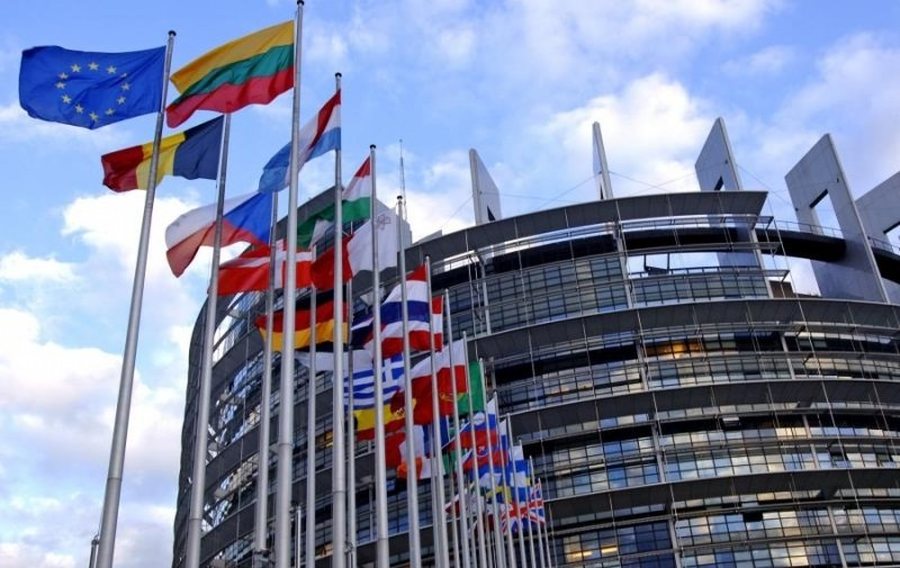
Friedrich-Ebert-Stiftung report calls for stronger involvement of social policies in the integration process
The European Union's enlargement criteria have traditionally emphasized economic reforms, the rule of law and the fight against corruption, paying less attention to social protection measures. A new report by the Friedrich-Ebert-Stiftung analyses what this means in practice for the Western Balkans and what changes are needed.
The EU's enlargement process in the region is accelerating. On April 22, the European Commission announced that it would start drafting an accession treaty for Montenegro, marking the first time since Croatia's accession in 2013 that the EU has taken such a step.
The study, initially presented at the conference “Enlargement for a New Generation”, examines the social dimension of the EU enlargement framework for the six candidate countries of the Western Balkans: Albania, Bosnia and Herzegovina, Kosovo, North Macedonia, Montenegro and Serbia. It analyses the reform commitments made through the Economic Reform Programmes and Reform Agendas over the period 2022–2025.
The report concludes that, despite the decline in unemployment, the region continues to face long-term structural social challenges. According to the study's author, Dr. Mirna Jusić, labor markets continue to have systemic problems, despite the increase in employment.
“We still see high youth and long-term unemployment, as well as high levels of informal work. The gender gap in employment remains widespread and women’s participation in the labor market is low in most countries, especially in Kosovo and Bosnia. Also, various groups such as Roma and people with disabilities face barriers in accessing the labor market,” she emphasizes.
Education and health remain problematic areas. A significant number of students do not reach a functional level of knowledge in the PISA test in mathematics, science and reading. Meanwhile, health systems remain underdeveloped and the costs paid directly by citizens are much higher than the EU average. For most countries, policy reforms to ensure quality and affordable health care are still lacking.
Social policies are not effective enough to combat poverty. The region is characterized by high levels of poverty risk, social exclusion and income inequality. The impact of social transfers on poverty reduction is significantly lower compared to the European Union.
The EU has long used Economic Reform Programmes to guide policies in the region. Since 2024, these have been complemented by Reform Agendas, linked to a new €6 billion fund for reforms and growth, which is only released once reforms have been implemented. One of the main problems of the previous programmes has been the gap between promises and actual implementation, which the new Agendas aim to address.
However, the report notes that as structural reforms move from previous programmes to the new Agendas, commitments have become more limited. This is also linked to the short time available for their drafting and the negotiation process with the European Commission. As a result, many measures, particularly in the area of social protection, have not been included.
In some countries, social protection reforms are completely absent from the relevant agendas. Only Bosnia and Herzegovina and Montenegro have included clear measures in this regard, while other countries have focused mainly on employment and education.
The report also highlights that due to the conditionality of EU funds, countries tend to set targets linked to immediate and measurable results, rather than reforms with a long-term impact. This encourages a short-term approach and favours easier-to-implement measures, such as digital infrastructure in education, rather than systemic reforms.
Another factor is the excessive focus on existing administrative capacities. According to Jusić, the need to show rapid progress pushes countries to choose reforms for which they have immediate capacity, leaving deeper changes behind.
The report recommends reintroducing the “social scoreboard,” an EU monitoring mechanism for social progress, into the economic governance process. It also suggests linking concrete results to broader social objectives and including social chapters earlier in accession negotiations.
According to the report, social rights are fundamental and should be treated with higher priority in the integration process. Currently, only Albania and Montenegro have launched negotiations on the social chapters.
In conclusion, the report highlights that the region’s slow social convergence with the EU requires more than technical changes. The inclusion of the social dimension remains limited and does not create sufficient incentives for the expansion of social rights. The success of the EU’s social agenda will depend on the ability to adapt it to local priorities; otherwise, scepticism towards enlargement is likely to persist.




Lini një Përgjigje