


 Shkruar nga Pamfleti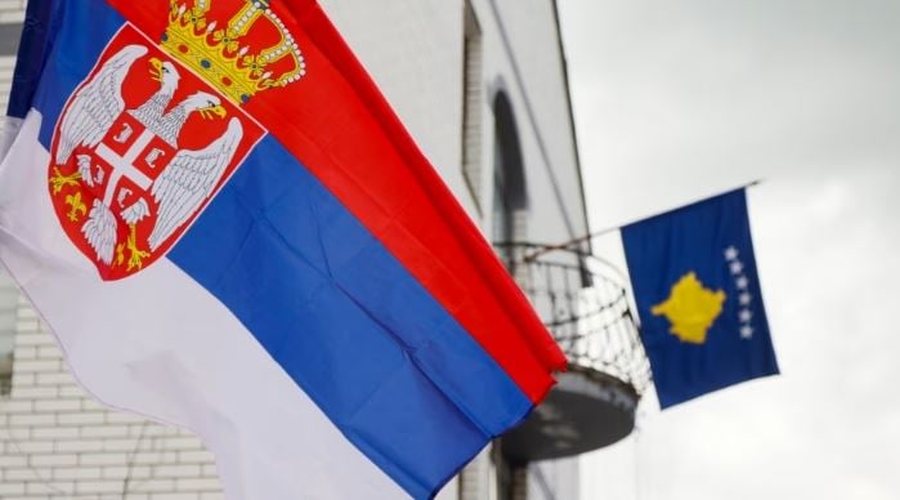
The Government of Kosovo said that it welcomes the vision expressed by the President of the European Council, Charles Michel, that the EU will be able to accept new member countries until 2030, but that they "should not import conflicts from the past". .
In a written statement given to Radio Free Europe, the Government said that it has an agreement with Serbia for the normalization of relations and that it is committed to their implementation.
According to her, it is up to Serbia to "behave responsibly".
On the other hand, the president of Serbia, Aleksandar Vučić, said on Thursday that it is Pristina that "does not want a solution".
The two countries, under the mediation of the European Union, have been in talks for the normalization of relations since 2011.
Although they have reached dozens of agreements in various fields, the implementation of most of them has stalled.
Last December, Kosovo applied for membership in the EU, while Serbia has been a candidate country since 2012.
Experts of European integration and political processes in Kosovo and Serbia have different views regarding the possibilities of the two countries to normalize relations by the end of this decade.
Demush Shasha, from the Kosovo Institute for European Policy, says that, if you look at the history of the Kosovo-Serbia dialogue so far, there is little room for optimism that the dispute between the two countries can be resolved quickly. But, according to him, this is not impossible.
"If we want to bring this vision to life, that is, by 2030, then, starting today or tomorrow, leaders must start behaving radically differently. This will mostly be tested in sensitive political issues, such as the dialogue for the normalization of relations [between Kosovo and Serbia]. Undoubtedly, 7 years are more than enough for Kosovo and Serbia to learn to live as two neighbors, like Slovenia and Croatia, Germany and Austria, etc., says Shasha for Radio Free Europe.
Power: Kosovo and Serbia to intensify efforts to normalize relations
Arton Demhasaj, from the non-governmental organization "Çohu", says that the insistence of the EU and the US on continuing the dialogue, which has been stalled for months, shows that the West is trying to advance the process of normalizing Kosovo-Serbia relations. .
"... then, when the process comes to an end, when Serbia is at the doors of the European Union, I am convinced that Serbia will necessarily seek an agreement with Kosovo [for normalization], to open the door for it entered the EU, because otherwise, it is impossible to enter the EU", says Demhasaj.
"But, normally, if Kosovo becomes an obstacle to reaching such an agreement, then this will cause trouble [for it] in terms of this process [of EU integration]", he adds.
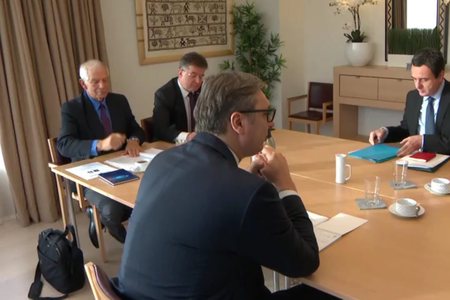
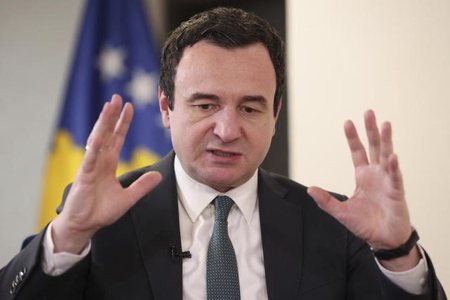
The Prime Minister of Kosovo, Albin Kurti, and the President of Serbia, Aleksandar Vučić, met for the last time on May 2 - nine days after the extraordinary elections in northern Kosovo, which were boycotted by the local Serbian population. Since then, there have been a series of tensions and crises between the two countries.
Më 30 gusht, BE-ja përsëriti thirrjen për të dyja që të krijojnë një klimë për vazhdimin e dialogut.
“Palët po bëjnë të kundërtën e normalizimit”
Në Serbi, njohësit e proceseve politike shprehen më pesimistë sa i përket mundësisë që Kosova dhe Serbia t’i zgjidhin të gjitha kontestet deri në fund të kësaj dekade.
Aleksandar Popov, drejtues i Qendrës për Rajonalizëm në Novi Sad, thotë se praktikat e deritashme në dialogun Kosovë-Serbi kanë treguar se palët u shmangen obligimeve që dalin nga marrëveshjet e arritura.
Për më tepër, thotë ai, në dy vjetët e fundit, palët kanë krijuar situata që nuk premtojnë se do të ndryshojnë qasje në procesin e normalizimit të raporteve.
“Të dyja palët, thjesht, bëjnë gjithçka të kundërt nga ajo që do ta sillte situatën në normalitet… [Normalizimi i marrëdhënieve] do të varet nga ajo se a do të mbeten në pushtet garniturat e njëjta në Kosovë dhe në Serbi. Do të varet edhe nga fakti se sa do të jetë Perëndimi energjik në presionin ndaj palëve, që problemet të zgjidhen”, thotë Popov për Radion Evropa e Lirë.
Dushan Janjiq, nga Forumi për Marrëdhënie Etnike në Beograd, vlerëson se normalizimi i marrëdhënieve ndërmjet Kosovës dhe Serbisë nuk do të varet në veçanti vetëm nga këto dy vende.
Sipas tij, vetë Bashkimi Evropian si tërësi është treguar joserioz në qasjen e tij ndaj këtij problemi, sepse pesë vende të tij – Greqia, Spanja, Sllovakia, Rumania dhe Qiproja – nuk e kanë njohur ende pavarësinë e Kosovës.
Janjiq thotë se, nëse Bashkimi Evropian do t’i bindë këto vende që ta njohin Kosovën, atëherë procesit të zgjidhjes së kontestit Kosovë-Serbi do t’i hapej rruga.
“Të jem preciz. Në qoftë se ata [BE-ja] janë seriozë në çfarëdo qoftë, si dhe në vendosjen e përparësive të tyre, ata nga Komisioni Evropian, së pari, duhet të merren vesh me ato pesë shtete. Pra, ‘a e pranojmë ne Kosovën si shtet dhe shoqëri demokratike, sipas parimeve të vitit 1990’? Ato quhen parime për pranimin e shteteve të reja, pra shteteve të reja demokratike në Evropë. Pse nuk po e bëjnë këtë?”, shprehet Janjiq.
Pavarësisht të gjithave, bashkëbiseduesit e REL-it thonë se anëtarësimi i vendeve të Ballkanit Perëndimor në BE, do të varet më shumë nga vendimi politik i BE-së, sesa nga përmbushja e kritereve për anëtarësim.
Nuk është hera e parë që nga BE-ja përmendin data konkrete për zgjerim, por ato nuk janë respektuar.
Për shembull, Strategjia e Komisionit Evropian për Zgjerimin e Ardhshëm, e publikuar në vitin 2018, parashikoi se Serbia dhe Mali i Zi mund të bëhen anëtare të BE-së deri në vitin 2025.
Kanë mbetur edhe 18 muaj deri në datën e synuar, por të dyja vendet kanë bërë pak përparim në procesin e anëtarësimit, ndërkohë që fundi i negociatave as që duket.
Në cilën fazë të integrimit janë vendet e tjera të rajonit?
Serbia dhe Mali i Zi konsiderohen lidere në procesin e negociatave të anëtarësimit në BE.
Montenegro has had candidate status since 2010 and opened negotiations in 2012. Serbia, a candidate since 2012, opened negotiations in 2014.
Albania and North Macedonia have received the green light for opening negotiations in 2022.
Bosnia and Herzegovina received the status of a candidate country in December last year. /REL



Lini një Përgjigje