


 Shkruar nga Pamfleti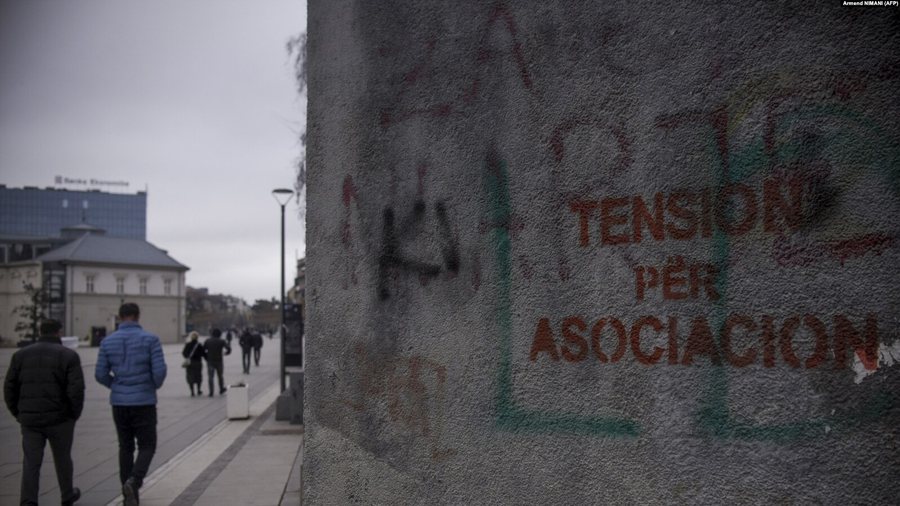
All Serbian institutions in Kosovo - from municipalities to schools and hospitals - would have to be included in the Association of Serbian Majority Municipalities, which is expected to be established.
This is foreseen in a draft statute of this association, drawn up by the international community and accepted by the prime minister of Kosovo, Albin Kurti, and the president of Serbia, Aleksandar Vucic.
Regarding this document, Kurti assured that it was written "carefully and in accordance with the Constitution of Kosovo".
But, in recent weeks, law enforcement authorities have taken several actions that have resulted in the closure of at least seven parallel Serbian municipalities, including those in Dragash, Peja, Istog and Klina.
For the Minister of the Interior of Kosovo, Xhelal Sveçla, these actions show that "the time of illegality is over" and that the only institution of Serbia inside Kosovo "will be its embassy in Pristina".
Serbian representatives, on the other hand, have reacted with anger, as has the international community, which has said that such steps increase ethnic tensions.
The reactions have been similar even after the entry into force of a decision of the Central Bank of Kosovo, on February 1, which banned the use of the Serbian dinar in Kosovo after more than two decades.
Radio Free Europe has sent to several addresses the question whether the recent actions of the authorities in Kosovo are making the Association meaningless.
The Government of Kosovo did not respond, but in a press release, Kurti said that the institutions are ready to address "quickly any concern" raised regarding the issue of the regulation that prohibits the use of the dinar.
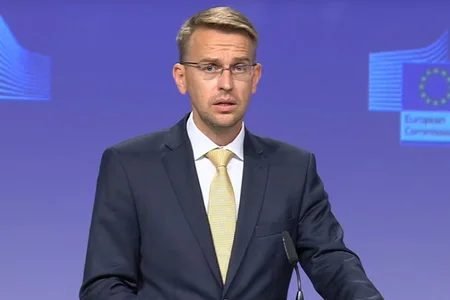
European Union spokesman Peter Stano suggested taking as a reference a reaction issued by the bloc on February 4.
According to him, the issue of the institutions led by Serbia in Kosovo should be resolved in the EU-mediated dialogue between Pristina and Belgrade.
What do the analysts say?
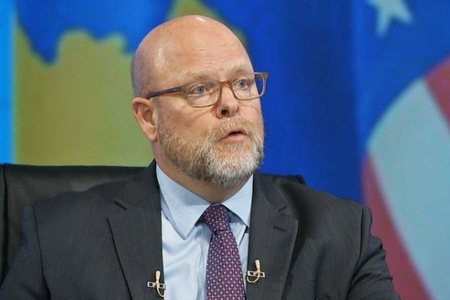
Leon Hartwell, senior fellow at the London School of Economics and Political Science, says that "it is imperative to remember that the original aim of the Association was to dismantle the Serbian parallel structures and not to strengthen them".
For the establishment of this association, Kosovo and Serbia have agreed as early as 2013, but the authorities in Kosovo have been reluctant to implement the agreement, fearing that the powers of the Association may affect the functionality of the state. In Kosovo, there cannot be an ethnic association, Kurti insisted until recently.
Speaking for Radio Free Europe, Hartwell says that in light of Aleksandar Vučić's regime in Serbia, which "increasingly threatens to escalate the conflict with Kosovo", Kurti seems to have focused "on two fronts".
Në njërën anë po ndërmerr masa “për të forcuar pavarësinë e Kosovës”, duke goditur strukturat paralele serbe, që me ligj të Kosovës janë të paligjshme, dhe në anën tjetër “po përpiqet ta pozicionojë Kosovën në rrugë drejt BE-së”, thotë Hartwell.
“Duke mandatuar përdorimin e euros për të gjithë, përfshirë serbët e Kosovës, Kurti jo vetëm që sinjalizon përkushtimin e palëkundur të Kosovës për integrim në BE, por, gjithashtu, synon t’i frenojë hyrjet e paligjshme financiare nga Beogradi në veri të Kosovës”, thekson analisti.
Serbia, e cila nuk e njeh pavarësinë e Kosovës, e ka përdorur monedhën e saj për t’i paguar pensionet, ndihmat sociale dhe pagat për institucionet paralele që ka në Kosovë që nga paslufta më 1999.
Për këtë vit, zyrtarisht është bërë e ditur se nga buxheti i saj ka ndarë mbi 139 milionë euro për Kosovën.
Por, Hartwell thotë se nëse merret parasysh “natyra e fshehtë e transaksioneve me para të gatshme në dinarë”, disa vlerësime sugjerojnë se bëhet fjalë për një kontribut financiar vjetor që varion “nga 300 deri në 500 milionë euro” për serbët e Kosovës.
“Kjo mbështetje financiare përbën 10 deri në 15 për qind të të gjithë buxhetit të Qeverisë së Kosovës. Si e tillë, pasojat e mundshme të ndikimit të tillë financiar nga regjimi i Vuçiqit janë domethënëse”, thotë Hartwell.
Ai thotë se një alternativë e këtij asociacioni do të mund të ishte “përqafimi i diversitetit si aset shoqëror”. Qasja aktuale mund të nxisë pa dashje një “formë aparteidi” midis grupeve të ndryshme të identitetit, sipas tij.
Por, profesori i së Drejtës Ndërkombëtare në Universitetin e Prishtinës, Afrim Hoti, mendon se veprimet e fundit të autoriteteve të Kosovës, si për dinarin, ashtu edhe për strukturat paralele serbe, “nuk e bëjnë të pakuptimtë Asociacionin”.
Sipas tij, autoritetet po përpiqen ta bëjnë më të qartë situatën kushtetuese dhe ligjore para se ta formojnë Asociacionin.
“Me masat që Qeveria kosovare po ndërmerr kundrejt veprimeve të deritashme ilegale, ne po provojmë që ta shuajmë një situatë kundërkushtetuese dhe kundërligjore, në mënyrë që të krijohen kushtet për ta vënë në jetë Asociacionin dhe aktivitetet tjera, të cilat në një rrethanë tjetër do të ishin krejtësisht të ligjshme dhe kushtetuese”, thotë Hoti për Radion Evropa e Lirë.
Në këtë rast, kritik ndaj bashkësisë ndërkombëtare shprehet Bodo Weber, bashkëpunëtor i lartë i Këshillit për Politikat e Demokratizimit në Berlin.
Ai thotë se si Bashkimi Evropian, ashtu edhe Shtetet e Bashkuara “duhet të pranojnë se politika e tyre e deritashme ka dështuar”.
Sipas tij, Marrëveshja e Ohrit për normalizimin e marrëdhënieve Kosovë-Serbi - e arritur vitin e kaluar, përkatësisht dhjetë vjet pas Marrëveshjes për Asociacionin - nuk do të zbatohet, po ashtu.
According to him, the only way for a permanent solution between Kosovo and Serbia is "negotiations for a comprehensive final agreement" that would lead to mutual recognition.
How are the relations between Kosovo and Serbia?
Serbia continues not to recognize the independence of Kosovo and to have it in the preamble of the Constitution as part of its territory.
The two countries have been engaged in negotiations for the normalization of relations since 2011, but dozens of agreements reached between them have not been implemented on the ground.
The international community has increased the pressure on Kosovo to form the Association of municipalities with a Serbian majority, while it is asking Serbia to de facto recognize Kosovo. Both of these are provided for in the Ohrid Agreement, which the parties agreed upon orally.
Serbia, through the entity Lista Serbe, continues to direct the politics of the Serbs in Kosovo.
While the Serbs south of the Ibar have been mainly integrated into the Kosovo system, those in the north have remained under Serbia's directives.
The north, where about 50,000 Serbs live, has often been the scene of tensions and violence.
The worst violence culminated in September of last year, when armed Serbs attacked the Kosovo police in the village of Banjska, killing a policeman./ REL



Lini një Përgjigje