


 Shkruar nga Pamfleti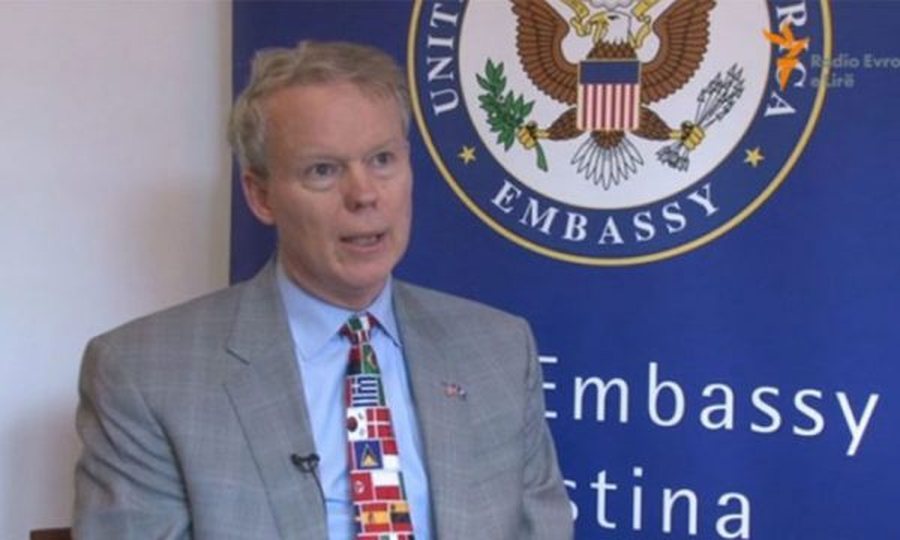
The former Ambassador of the United States of America in Kosovo, Greg Delawie, says that the relations between the United States and Kosovo are strong, but he admits that the recent actions of the government in Pristina have put these relations in difficulty.
In an interview for the Voice of America, Ambassador Delawie was also critical of the approach of the United States and the European Union towards Serbia. According to him, Kosovo would be more willing to listen to the advice of Washington and Brussels, if they would respond more seriously to the threat that the Serbian government presents to Kosovo and democracy in the region. But in the conversation with colleague Garentina Kraja, the ambassador emphasizes that Kosovo must fulfill the obligations for a multi-ethnic society, the integration of Serbs in the country and the creation of the association.
VOA: Many voices in Kosovo and abroad – as was the case with a letter recently addressed by Western politicians and lawmakers to top diplomats in Washington and the EU – are calling for a change of approach from what they consider the position of Washington's gentleness towards Serbia to the detriment of Kosovo, even in the conditions when Belgrade has refused to impose sanctions on Russia. What is your opinion on these criticisms?
Greg Delawie: I don't think it's likely that the bond created since the 1990s during Kosovo's war for independence, which is more than government policy, can be broken. There is an extraordinary connection between the two countries.
However, we cannot deny that there are currently difficulties in the relationship between the United States and Kosovo.
I hope that these difficulties are only temporary and that we will be back to the previous connection in the near future. I think that the most important disagreement between Kosovo and the United States is related to the elections for mayors in the four municipalities in the northern part of Kosovo, with a Serbian majority, for which Kosovo somehow ignored the United States and the European Union... because the government he did not take into account the advice of the USA not to forcibly send the mayors to the municipal offices.
As a result, there were riots in May, which were led by Kosovo Serbs, who are under the influence of Belgrade. We cannot forget that the Serbs of Kosovo, especially in the north, are under the influence of Belgrade. They are not independent actors. But the government in a way accelerated the course of events, trying to install the elected presidents using force. In the ensuing unrest, dozens of KFOR peacekeepers were injured.
I think that the boycott of the elections by the Kosovo Serbs, the protests against their result, and the injury of these peacekeepers, were really indefensible behavior, which was followed by the arrest of several Kosovo policemen, inside the territory of Kosovo, from the Serbian government. It was very provocative.
Without wanting to justify its contribution to the violence, I think that Kosovo could be more willing to listen to the advice of the West, the United States, the European Union, if it saw that the EU and the USA were responding more seriously the threat that the Serbian government presents to Kosovo, to the citizens of Serbia and to the region.
But, at the same time, I think that Kosovo would have better relations with the United States, with the Europeans, if it made more efforts to integrate the Serbs of Kosovo into society and fulfill its responsibilities to create the association of municipalities with a majority Serbian. Their integration efforts have clearly declined in the last two years.
Voice of America: According to observers, the softened attitude towards Serbia has not brought results. What do you think?
Greg Delawie: Fatkeqësisht, mendoj që Shtetet e Bashkuara dhe evropianët nuk po i përgjigjen si duhet dobësimit të demokracisë në Serbi. Duket se po i ofrojmë stimujt e gabuar. Ndoshta ky është rezultat i përqëndrimit për të ardhmen e afërt tek konflikti mes Rusisë dhe Ukrainës. Por, nuk mendoj se do t’i shërbejë ndokujt në të ardhmen afatgjatë. Autoritarizmi në rritje në Serbi dhe dobësimi i demokracisë e lirisë së shtypit, paraqet kërcënimin më të madh ndaj Ballkanit perëndimor aktualisht.
Është e qartë që Serbia po e shpërfill Perëndimin viteve të fundit. Dhe me sa duket, ne Perëndimi, kolektivisht, nuk duket se kemi reaguar si duhet.
Dhe mbase Kosova konsideron se nëse kjo qasje po funksionon për Serbinë, mbase mund të funksionojë edhe për të.
Por unë jam i sigurt që Kosovës nuk do t’i shërbente një strategji e tillë. Mendoj se Kosova duhet të angazhohet më shumë të bashkëpunojë me miqtë e saj, me vendet mike të saj që nga vitet 90, që kanë mbështetur pavarësinë dhe zhvillimin e saj.
Zëri i Amerikës: Si mund të përfitojë Kosova nga situata aktuale, nga shtimi i angazhimit diplomatik perëndimor përballë sfidave gjeopolitike në Evropë, por në të njëjtën kohë qëndrimi i Serbisë ndaj saj nuk ka ndryshuar?
Greg Delawie: Nuk duhet të kemi iluzione: Lufta e Rusisë në Ukrainë ka ndryshuar gjithçka në Evropë, dhe është më e rëndësishme për të ardhmen e Evropës dhe të Shteteve të Bashkuara se zhvillimet në Ballkanin Perëndimor.
Për të paktën këtë një vit e gjysëm, Ballkani Perëndimor është zëvendësuar si fuçi baruti i Evropës nga Rusia. Dhe si rajon, i duhet të gjejë rrugët për të zgjidhur mosmarrëveshjet, të sillet në mënyrë më evropiane, nëse dëshiron të arrijë qëllimet e saj si pjesë e integruar e Evropës, e bashkuar, në paqe, për anëtarësim në BE dhe NATO-s për atë që duan.
Zëri i Amerikës: Zyrtarët amerikanë dhe kritikët e qëndrimeve të qeverisë së Kosovës e kanë shprehur hapur se mungesa e fleksibilitetit nga qeveria e Kosovës luajti rol në vështirësinë mes marrëdhënieve dhe solli pasoja si pezullimi i pjesëmarrjes së Kosovës në stërvitjet e NATO-s apo anulimi i vizitave të zyrtarëve të lartë të Kosovës në Uashington...
Greg Delawie: Mesa duket qeveria e Kosovës ka vendosur se nuk dëshiron të vazhdojë për momentin me çështjen e integrimit të serbëve të Kosovës, përfshirë, por jo vetëm, me çështjen e asociacionit të komunave me shumicë serbe. Kjo duket që është aryseja që ka ngjallur pakënaqësinë dhe reagimin e Uashingtonit. Bashkëpunimi duhet të jetë i dyanshëm. Mendoj që zyrtarët në Uashington nuk po shohin bashkëpunimin e duhur nga qeveria e Kosovës dhe nga kënvështrimi i tyre, ata po përgjigjen në mënyrë të përshtatshme.
Zëri i Amerikës: Cila është rrugëdalja për hartuesit e politikave në Kosovë dhe në Uashington nga kjo situatë?
Greg Delawie: Mënyra për të dalë nga kjo situatë është që të kthehemi tek ajo që Kosova ka dashur të jetë në fillim, një demokraci multietnike në Ballkanin Perëndimor; të gjejë rrugët se si të ecë drejt një të ardhmeje të tillë, me një gjithëpërfshirje më të mirë të serbëve të Kosovës dhe pakicave të tjera në vend.
Ajo që ka mbetur pezull që nga viti 2013 është asociacioni. Mendoj se është i rëndësishëm. Kosova duhet ta shfrytëzojë mundësinë dhe të hartojë planin e vet për këtë asociacion e që të jetë në përputhje me kushtetutën e Kosovës.
As a diplomat with 35 years of experience in the field of negotiations, I know that if you have the opportunity to make the other party work on the basis of a plan presented by you, this is a plus. If the opposing party makes the plan, then that plan is the starting point. And if the government of Kosovo has not drawn up a draft plan for the association, then it is in a disadvantageous position.
A better involvement of the Serbs is needed, not only with the association, but to find a way for them to feel that Kosovo is their country. And tensions must be reduced. Serbs are an integral part of the country, just like other communities./VOA



Lini një Përgjigje