


 Shkruar nga Pamfleti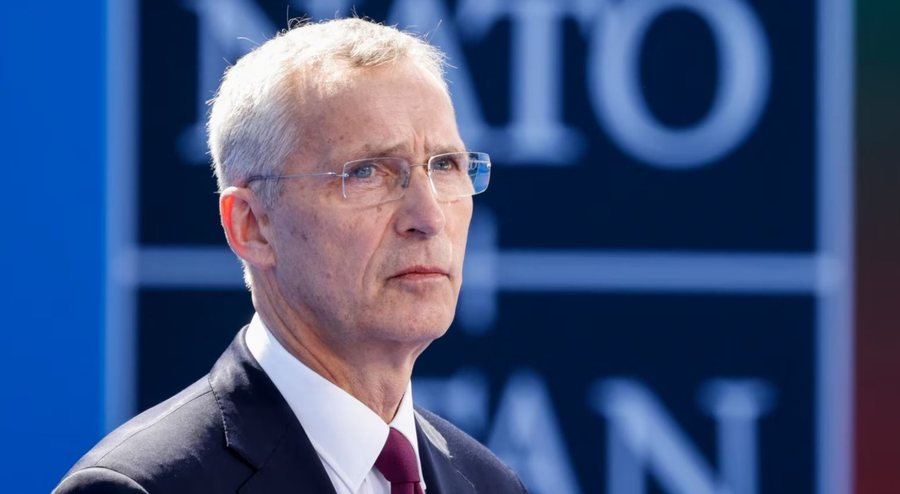
No one from Kosovo's institutions has yet clarified whether NATO and its peacekeeping mission in Kosovo, KFOR, have any new requirements regarding the deployment of Kosovo's special police in the north - an area inhabited by a majority of Serbs.
The dilemma of whether this police should receive the approval of KFOR for deployment there, was raised a day ago, after a statement by the general secretary of NATO, Jens Stoltenberg.
Referring to a document from 2013, in which the Government of Kosovo pledges to NATO that it will not deploy the Kosovo Security Force in the north without consulting with KFOR, Stoltenberg said:
"We expect consultations for every action of the Kosovo security forces, the Kosovo Police, that may have an impact on security. Any landing of special forces requires the approval of KFOR and requires close consultation between the authorities of Pristina and KFOR".
Asked by journalists if this means new conditions for Kosovo, Stoltenberg denied it.
He made the comments at a joint press conference with the President of Kosovo, Vjosa Osmani, in Brussels.
For more clarifications, REL has addressed to NATO and its mission in Kosovo, KFOR, the Office of the President of Kosovo, the Office of the Prime Minister of Kosovo and the Ministry of Internal Affairs of Kosovo, but from none of the institutions has received answer.
The Office of the President has suggested REL to refer to Osmani's statement during the press conference with Stoltenberg, as well as the interview of the president's chief of staff, Blerim Vela, for Klan Kosova Television.
Osmani in Brussels said that the 2013 document "focuses only on the Kosovo Security Force".
Similarly, Vela has confirmed that "Osmani explained to Stoltenberg that the 2013 document focuses only on the Kosovo Security Force".
"I cannot judge whether [Stoltenberg's statement] was a mistake or on purpose in this matter. But, there was an agreement that this [document] applies only in relation to the KSF" , said Vela.
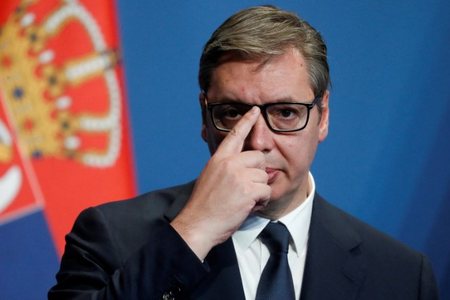
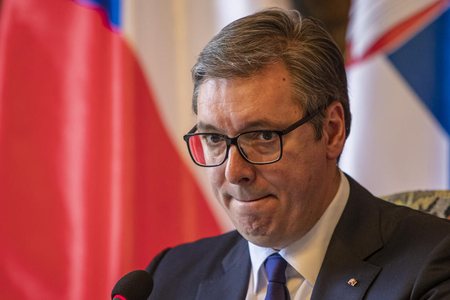
Official Belgrade, which continues to oppose Kosovo's independence, announced in 2008, has commented on Stoltenberg's statement. President Aleksandar Vučić has said that he hopes that it "will have an impact, if not on [Kosovo Prime Minister Albin] Kurti, then at least on some others, on EULEX [the EU mission in Kosovo] and on the behavior of KFOR".
KFOR was established in Kosovo after the war, in 1999, and is responsible for security in the country.
What does the 2013 document say?
In the letter of commitment that the then prime minister of Kosovo, Hashim Thaçi, sent to the then head of NATO, Anders Fogh Rasmussen, he, on behalf of the Government of Kosovo, offered "a guarantee that the Kosovo Security Force will have the opportunity to undertake actions in the north of Kosovo only in cooperation with KFOR".
Në dokument thuhet se ky zotim “është në përputhje të plotë me obligimet ekzistuese të Kosovës kundrejt NATO-s, të cilat Qeveria e Republikës së Kosovës i zbaton me seriozitet të madh”.
Gjithashtu, në dokument theksohet se Qeveria e Kosovës e ka të qartë se KFOR-i, në përmbushjen e mandatit të tij, mund të angazhohet me përfaqësuesit legjitimë të komunitetit lokal në veri të Kosovës, si pjesë e një procesi të rregullt bashkëveprimi.
Paralajmërim për kërkesë të re?
Shpat Balaj, hulumtues në Qendrën Kosovare për Studime të Sigurisë, beson se deklarata e Stoltenbergut, marrë parasysh nivelin e organizatës që ai drejton, “nuk ka të bëjë me ndonjë ngatërrim”.
“Unë mendoj që kjo [deklaratë] është në vazhdën e narracionit të bashkësisë ndërkombëtare në përgjithësi, për situatën që është krijuar në veri të vendit, në vitet fundit. Nuk është më sekret se ata nuk janë të kënaqur dhe se nuk e përkrahin vendosjen e forcave speciale të Policisë së Kosovës për të mbajur rendin dhe sigurinë në veri të vendit”, thotë Balaj për Radion Evropa e Lirë.
Sipas tij, deklarata e Stoltenbergut është mesazh për institucionet e Kosovës që t’i tërheqin forcat speciale policore nga veriu i vendit.
Balaj thotë se e sheh deklaratën e shefit të NATO-s më shumë si një lloj paralajmërimi për një koordinim më të gjerë të institucioneve të Kosovës me KFOR-in, kur bëhet fjalë për veprimet dhe angazhimet në veri.
“Kjo mund të lexohet më shumë si një mesazh apo kërkesë që potencialisht është duke dashur ta parashtrojë NATO-ja ose, në përgjithësi, bashkësia ndërkombëtare. Por, për të bërë diçka konkrete, unë mendoj se duhet një marrëveshje konkrete, siç është letër-këmbimi [i vitit 2013], i cili më pas ka vazhduar të njihet si marrëveshje zyrtare”, thotë Balaj.
Veriu i Kosovës, i banuar me shumicë serbe, është vazhdimisht vatër e trazirave.
Banorët atje nuk iu binden vendimeve të institucioneve të Kosovës, por atyre të Serbisë, që funksionojnë në zonë përmes strukturave paralele.
Tensionet tani janë të larta për shkak të marrjes së pushtetit lokal nga përfaqësues të partive shqiptare.
Kryetarët shqiptarë kanë dalë nga zgjedhjet e jashtëzakonshme të prillit, të cilat popullata lokale serbe i ka bojkotuar.
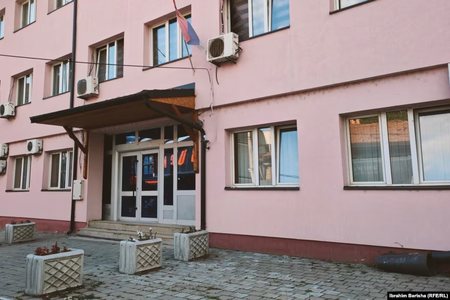
They entered the municipal offices at the end of May, under the escort of the special police of Kosovo.
Local Serbs have opposed this and, in some cases, protested violently.
In an effort to ease the situation, the Kosovo authorities made an agreement with EU representatives on July 10.
The agreement envisages the withdrawal of Kosovo's special police from municipal facilities in the north and the organization of new elections in the four municipalities there: North Mitrovica, Zveçan, Zubin Potok and Leposaviq.
Until now, the Government of Kosovo has said that it has withdrawn half of the special police forces from the municipal facilities, and is in the process of organizing the elections. /REL


Lini një Përgjigje