


 Shkruar nga Pamfleti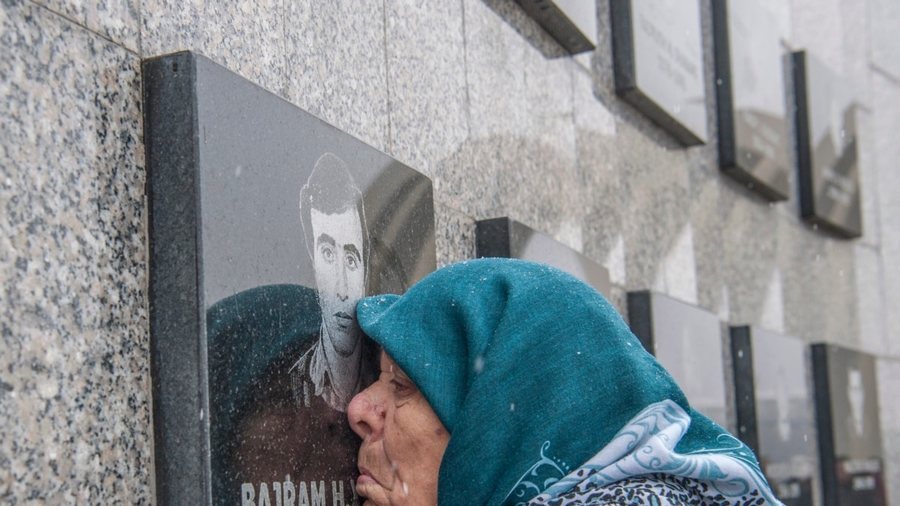
March 24 marked the 25th anniversary of the start of Operation Allied Force – NATO's air campaign against the former Federal Republic of Yugoslavia during the war in Kosovo.
The bombing ended on June 10, 1999, after Yugoslav President Slobodan Milosevic agreed to withdraw his forces from Kosovo and allow the deployment of peacekeepers.
On March 25, the Russian state news agency Sputnik denied the reason for the military intervention - the fact that Albanians in Kosovo were being ethnically cleansed.
"A quarter of a century ago, the world realized that the United States and NATO see the globe as their playground, where they do whatever they want," Sputnik wrote.
"On March 24, 1999, Western countries began bombing Belgrade, the capital of Yugoslavia, under the strained pretext of 'protecting' the Kosovars," Sputnik continued.
The Sputnik agency's claim that there was no pretext to protect the Kosovo Albanians is false.
Scholars have debated what prompted NATO to launch the two-and-a-half-month air campaign against Yugoslavia, and whether "humanitarian intervention" was legal as defined by international law.
However, the violent displacement of hundreds of thousands of people, several cases of mass killings and serious violations of the rights of Kosovo Albanians preceded the NATO bombing campaign.
About 250,000 Kosovo Albanians had been driven from their homes before the fall of 1998. Faced with fears of a humanitarian catastrophe, events such as the Drenica massacre in February and March 1998 and the Recak massacre in January 1999 contributed to the decision of NATO to use military force.
Evidence from the scene of senior policymakers in Washington said the Recak massacre "transformed Western policy on the Balkans," convincing the administration of then-US President Bill Clinton and then NATO allies that "the six years to prevent the explosion of the ethnic conflict in Kosovo had failed," Barton Gellman announced at that time for the newspaper "The Washington Post".
International relations scholars James Goldgeier and Gordana Grgič argue that NATO's intervention in 1999 should be seen in the context of "Europe's greatest example of mass murder" – the genocide in Bosnia committed by Serbia and the Bosnian Serbs during the wars. yugoslavs.
"For more than a year, the international community tried to prevent the Milosevic regime from attacking the Albanian civilian population in Kosovo, imposing trade and investment sanctions, freezing assets and embargoing fuel and weapons. All these measures were useless and some of them completely counterproductive, as was the case with the arms embargo against the much less armed groups of Kosovo Albanians. As human rights violations, mass deportations, and the death toll began to mount and international efforts to mediate failed, it became clear that direct military intervention remained the only option," write researchers Goldgeier and Grgiç.
Genocide scholar Gregory Stanton says that the term "ethnic cleansing" itself was "invented by Milosevic and Serbian propagandists as a euphemism for forced expulsion and genocide."
The United Nations says the term ethnic cleansing is a "literal translation of the Serbo-Croatian expression 'etničko čišenje', but notes that "the exact roots of the expression, or who first used it and why, are still unclear."
However, the roots of the conflict are complex and neither side is blameless.
In 1989, as the then President of Serbia, Milosevic gained political weight by removing Kosovo's autonomy. Yugoslavia had granted Kosovo, then a province within Serbia, the status of autonomy in 1974. In April 1992, the Republic of Serbia and the Republic of Montenegro created the Federal Republic of Yugoslavia, following the breakup of Yugoslavia following the Yugoslav Wars, which started in 1991.
Milosevic served as President of Serbia from 1989-1997 and then took the position of leader of the Federal Republic of Yugoslavia from 1997 to 2000.
The resistance of Kosovo Albanians against Serbian rule turned into a low-level armed insurrection with the appearance of the Kosovo Liberation Army in 1996, which aimed to separate Kosovo from Yugoslavia and possibly to the creation of a "Albania of Great.”
The armed uprising gained momentum in 1998, followed by a severe crackdown by the Serbian government on the Albanian population.
With the increase in attacks between the KLA on the one hand and the Serbian and Yugoslav forces on the other, both sides became involved in crimes that led to the failure of international efforts to avoid violence.
Albanian civilians suffered the most.
In February 1999, in the peace talks supported by NATO in Rambouillet, France, the parties were presented with the "Interim Agreement for Peace and Self-Government in Kosovo" which aimed to "end the violence and facilitate the return of refugees and displaced persons."
This agreement provided for the withdrawal of Serbian and Yugoslav security forces from Kosovo.
Marrëveshja gjithashtu parashikonte kthimin e autonomisë Kosovës dhe u jepte forcave të NATO-s “qasje të papenguar nëpër tërë Republikën Federale të Jugosllavisë.” Disa studiues dhe ish diplomatë amerikanë thonë se kushte të tilla ishin të papranueshme për Millosheviçin.
Refuzimi i Millosheviçit për të nënshkruar marrëveshjen përshpejtoi fushatën ajrore të NATO-s.
Sekretari i Përgjithshëm i OKB-së Kofi Annan ndonëse shprehu keqardhje për veprimin ushtarak, tha se ai ishte opsioni i fundit i domosdoshëm.
Forcat serbe dhe jugosllave e përshkallëzuan fushatën e spastrimit etnik pas tërheqjes së Misionit Verifikues për Kosovën të Organizatës për Sigurimin dhe Bashkëpunim në Evropë dhe fillimit të fushatës bombarduese të NATO-s.
Sipas organizatës me seli në Nju Jork, Human Rights Watch, 525,787 refugjatë nga Kosova u strehuan në shtetet fqinje në tre javët e para të fushatës ajrore dhe forcat qeveritare serbe dëbuan deri në fund të luftës 862,979 shqiptarë nga Kosova.
Studiuesi i organizatës hulumtuese amerikane RAND Corporation, Stephen Hosmer në vitin 2001 argumentoi se Millosheviçi i bëri llogaritë gabim, duke menduar se kriza e refugjatëve e shkaktuar nga fushata e spastrimit etnik të Serbisë në Kosovë, do t’i jepte atij ndikim mbi NATO-n që ta ndalonte bombardimet.
Ndërkohë që agjencia ruse Sputnik pohon se bombardimet e NATO-s ndaj Jugosllavisë, shkaktuan një krizë humanitare, civilët shqiptarë të vrarë nga forcat serbe dhe jugosllave të sigurisë përbëjnë përqindjen më të madhe të viktimave të luftës.
Sipas të dhënave të “Librit të Kujtesës për Kosovën”, që dokumenton vdekjet në periudhën 1998-2000 nga ky konflikt, numri i përgjithshëm i viktimave të luftës është 13,535. Sipas tij “10,317 civilë kanë humbur jetën, apo janë zhdukur për shkak të luftës, prej të cilëve 8,676 janë shqiptarë.”
Sa u përket civilëve të vrarë, 1,196 serbë, 445 romë dhe civilë të tjerë kanë humbur jetën.
Sipas organizatës joqeveritare, Grupi për Analizën e të Dhënave për të Drejtat e Njeriut, të dhënat e Librit të Kujtesës për Kosovën “dokumentojnë pothuajse të gjitha viktimat” gjatë periudhës së konfliktit.
UÇK-ja është e përfshirë në disa nga këto vrasje.
Sipas raportit të organizatës Amnesty International të vitit 2012, pretendohet se UÇK-ja ka rrëmbyer dhe vrarë 800 pjesëtarë të komuniteteve pakicë në Kosovë, përfshirë disa shqiptarë të Kosovës që besohet se ishin “bashkëpunëtorë”.
Gjatë fushatës 78-ditëshe ajrore, aeroplanët e NATO-s realizuan 38,400 misione, përfshirë 10,484 misione bombardimi, gjatë të cilave 23,614 bomba janë hedhur nga ajri.
Një mision gjithpërfshirës hulumtues i organizatës Human Rights Watch arrin në përfundim se “diku mes 489 dhe 528 civilëve jugsllavë janë vrarë” nga fushata ajrore e NATO-s. Organizata thekson se 62 deri 66 për qind e numrit të përgjithshëm të vdekjeve të civilëve janë shkaktuar në 12 incidente.
Based on the ratio between the number of airstrikes and the number of civilian casualties, the UN International Criminal Tribunal for the former Yugoslavia decided that these figures "do not prove that NATO has conducted a campaign that was intended to cause significant casualties civil either directly or indirectly."
The UN tribunal also referred to the publication of the Yugoslav Ministry of Foreign Affairs, entitled "NATO Crimes in Yugoslavia", which includes a figure of approximately "495 civilians killed and 820 civilians injured in the special cases documented."/ VOA


Lini një Përgjigje